Dar joins first R4–Europe ministers' talks in Istanbul; Houthi attacks condemned
Foreign ministers of Pakistan, Saudi Arabia, Türkiye and Egypt met their French, German, Italian and British counterparts for the first time in Istanbul, urging diplomacy over a new US–Iran war.
At a glance
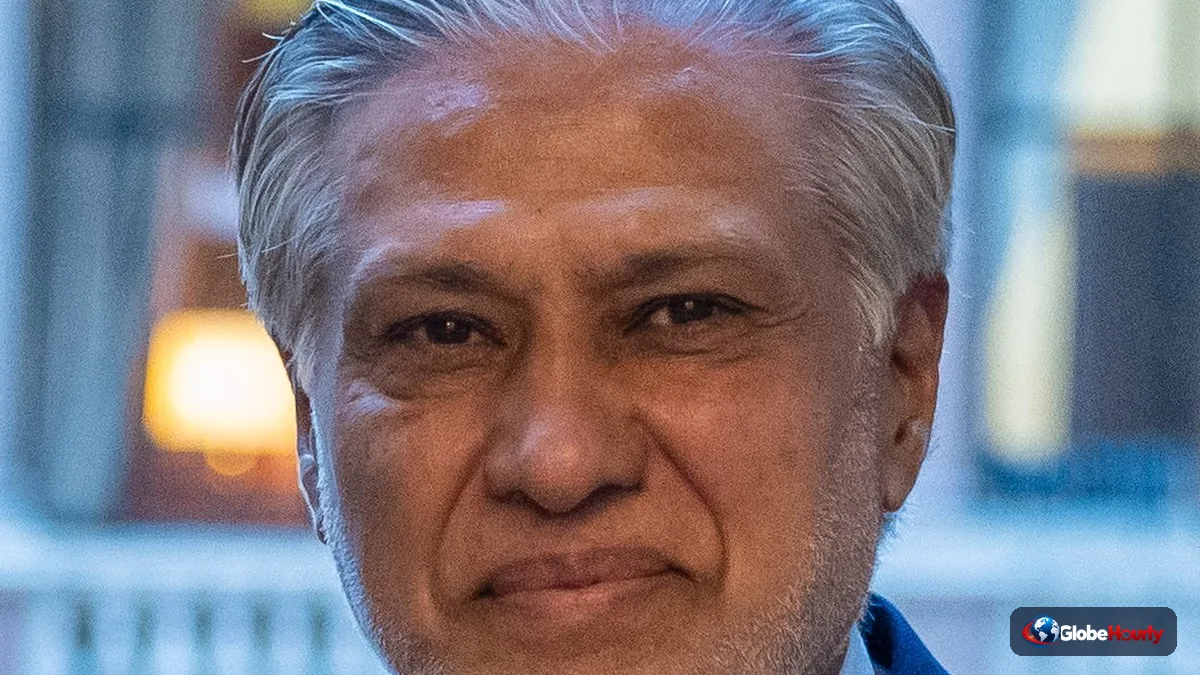
- Deputy Prime Minister and Foreign Minister Ishaq Dar attended the sixth meeting of the R4 group (Pakistan, Saudi Arabia, Türkiye, Egypt) in Istanbul on Friday, October 23, 2026.
- The R4 then held its first-ever meeting with the foreign ministers of France, Germany, Italy and the UK; the eight countries agreed to keep meeting in this format.
- The R4 ministers condemned Houthi attacks on Saudi Arabia and called on the Houthis to stop targeting civilians and Red Sea shipping.
- On the US–Iran conflict, they called for dialogue only, backed the Islamabad Memorandum of Understanding and opposed limits on lawful navigation through the Strait of Hormuz.
- Dar held separate talks with the Saudi, Turkish, Egyptian and German foreign ministers.
Pakistan's Deputy Prime Minister and Foreign Minister Ishaq Dar joined the foreign ministers of Saudi Arabia, Türkiye and Egypt in Istanbul on Friday, October 23, 2026, for the sixth meeting of their R4 group, followed by the group's first-ever talks with the foreign ministers of France, Germany, Italy and the United Kingdom. The eight countries agreed that diplomacy must prevail over a renewed US–Iran war and that they will keep meeting in this format, Pakistan's Foreign Office said.
What happened
The day began with the R4 ministers' meeting, hosted by Turkish Foreign Minister Hakan Fidan at a hotel on the Bosphorus, with Dar, Saudi Foreign Minister Prince Faisal bin Farhan and Egyptian Foreign Minister Badr Abdelatty. It was followed by the joint session with the European ministers, including France's Jean-Noël Barrot, Germany's Johann Wadephul and Italy's Antonio Tajani.
According to the Foreign Office, the ministers exchanged views on developments in the Gulf and their social and economic effects, stressed the need for diplomatic engagement, and agreed to continue meeting. Dar briefed them on Pakistan's mediation to de-escalate tensions and prevent a return to hostilities.
| Meeting | Participants | Main outcome |
|---|---|---|
| 6th R4 ministers' meeting | Pakistan, Saudi Arabia, Türkiye, Egypt | Houthi attacks condemned; dialogue-only approach on Iran |
| First R4 + Europe meeting | R4 + France, Germany, Italy, UK | Agreement to meet regularly; diplomacy over war |
| Dar bilaterals | Saudi Arabia, Türkiye, Egypt, Germany | Ties, Houthis, Palestine, trade |
What the R4 said
The four R4 ministers expressed solidarity with Saudi Arabia, condemned the Houthi drone and missile attacks on the kingdom, and called on the Houthis to stop attacking civilians and shipping in the Red Sea and Bab al-Mandab strait.
On the conflict between the United States and Iran and the situation in the Strait of Hormuz, they said dialogue is the only way forward, backed the Islamabad Memorandum of Understanding, and opposed restrictions on lawful navigation. On Gaza, they called Israeli occupation the root of regional instability and supported a two-state solution based on the 1967 lines with East Jerusalem as the capital of Palestine.
Dar's bilateral meetings
- Saudi Arabia: Dar called his talks with Prince Faisal "warm and cordial" and reaffirmed Pakistan's support for Saudi sovereignty and territorial integrity, citing both the bilateral defence pact and the Makkah Joint Defence Agreement.
- Türkiye: Dar and Fidan condemned the Houthi attacks and committed to coordination under the Makkah agreement.
- Egypt: The two sides agreed to expand cooperation in trade, agriculture, pharmaceuticals, energy and defence.
- Germany: Dar welcomed European engagement with the R4 framework in talks with Wadephul.
Reactions
Fidan said the ministers discussed "parameters" for stopping the conflict from spreading and warned that another attack on Iran could widen the war; he also called for the Strait of Hormuz to reopen. Barrot said a new escalation between Tehran and Washington would leave no winners. The UK said its foreign secretary would focus on Hormuz and the situation in Saudi Arabia.
Background
The R4 emerged in March 2026 to coordinate on regional security and mediation between Washington and Tehran; its previous ministers' meeting was in New York in September. The talks come as the United States enforces a naval blockade of Iranian ports, Iran attacks ships crossing Hormuz without its permission, and Houthi strikes hit Saudi airports and oil sites. Pakistan, Saudi Arabia and Türkiye signed the Makkah defence pact in August; Pakistan and Saudi Arabia have ratified it, while Türkiye has said it will not back offensive action against the Houthis.
Why it matters
For Pakistan, the meeting confirms its role as a go-between in a war that has pushed Brent crude above $110 a barrel and raised fuel costs at home. A European–Muslim-world channel that includes Islamabad gives it more say in efforts to stop a wider regional war that would hit remittances from the Gulf, where millions of Pakistanis work.
What happens next
The eight countries agreed to meet regularly, but no date was set. Pakistan says it will continue its de-escalation diplomacy, while attention turns to whether the United States and Israel carry out new strikes on Iran, which officials in Washington have signalled could come before or after the US midterm elections on November 3.
Questions people are asking
What is the R4 group?
The R4 is a grouping of Pakistan, Saudi Arabia, Türkiye and Egypt that emerged in March 2026 to coordinate on regional security and mediation between the United States and Iran. The Istanbul meeting on October 23, 2026, was its sixth foreign ministers' meeting.
What did the Istanbul foreign ministers' meeting decide?
There was no formal joint statement, but the R4 and European ministers agreed that diplomacy must prevail over war, discussed the economic impact of the Gulf crisis and agreed to meet regularly. The R4 separately condemned Houthi attacks on Saudi Arabia.
What is Pakistan's role in the Iran crisis?
Pakistan has acted as a mediator between the United States and Iran, and the Islamabad Memorandum of Understanding signed by both sides is named after it. At Istanbul, Ishaq Dar briefed ministers on Pakistan's efforts to de-escalate and prevent a return to hostilities.