Pakistan and Saudi Arabia ratify Makkah defence pact; Türkiye still to vote
Pakistan's Foreign Office says Pakistan and Saudi Arabia have completed ratification of the Makkah Joint Defence Agreement, under which an attack on one member is an attack on all; Türkiye's parliament is still reviewing it.
At a glance
- Pakistan and Saudi Arabia have both completed ratification of the Makkah Joint Defence Agreement, Foreign Office spokesperson Sajjad Haider Khan said on Friday, October 23, 2026.
- Türkiye, the third member, is still completing its own procedures; the pact was submitted to the Turkish parliament earlier this week.
- The agreement, signed in Makkah on August 7, says an armed attack on one member is an attack on all (Article 2); any help is decided jointly by the three countries.
- The spokesperson called the pact defensive, in line with Article 51 of the UN Charter, aimed at no third country, and said there are 'no hidden provisions'.
- The announcement comes as Houthi drone and missile attacks on Saudi airports and oil sites continue; whether the pact is invoked is for the three partners to decide.
Pakistan and Saudi Arabia have completed ratification of the Makkah Joint Defence Agreement, the three-nation pact with Türkiye under which an armed attack on one member is treated as an attack on all, Pakistan's Foreign Office said on Friday, October 23, 2026. Foreign Office spokesperson Sajjad Haider Khan told his weekly news briefing in Islamabad that Türkiye is still completing its own legal process, after the agreement was sent to the Turkish parliament earlier in the week.
What the Foreign Office said
Mr Khan said Pakistan had finished its ratification and that Saudi Arabia had also completed its procedures. Each country, he said, follows its own constitutional and legal rules for approving international agreements, and Islamabad "remains fully committed to the letter and spirit of the agreement."
He described the pact as "essentially defensive in nature" and consistent with Article 51 of the UN Charter, which recognises the right of self-defence. It is "not directed against any particular country", he said, and provides a framework for collective help if any member faces external armed aggression. Asked whether the deal contains secret clauses, he said Pakistan endorses the text released by the Turkish parliament and that there are "no hidden provisions".
| Member | Ratification status (Oct 23, 2026) |
|---|---|
| Pakistan | Completed |
| Saudi Arabia | Completed |
| Türkiye | In progress — submitted to parliament this week |
What the pact says
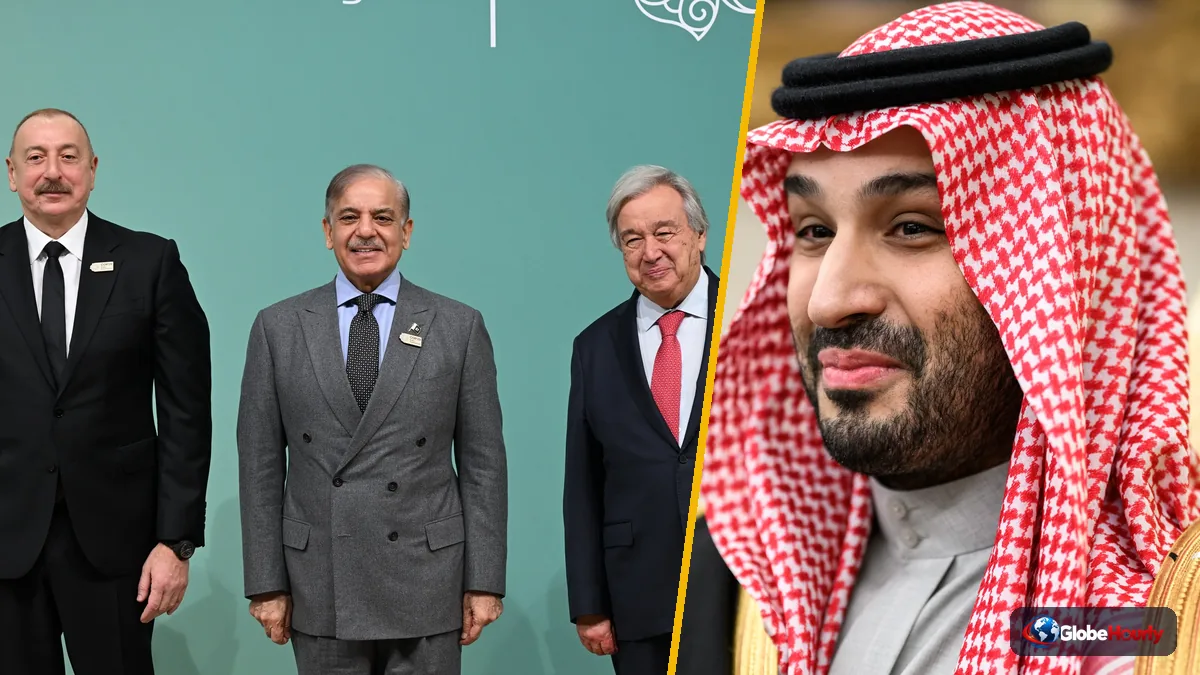
The agreement was signed in Makkah on August 7, 2026, by Pakistani Prime Minister Shehbaz Sharif, Saudi Crown Prince and Prime Minister Mohammed bin Salman and Turkish President Recep Tayyip Erdoğan. Its stated aim is to strengthen the security of the three countries through collective deterrence and defence.
| Key provision | What it means |
|---|---|
| Article 2 | An armed attack on one member is an attack on all |
| Collective decision | The "nature and extent" of any help is decided jointly after "an objective assessment of the circumstances" |
| Oversight | A Strategic Political and Defence Committee (SPDC) of the three countries handles implementation |
| Legal basis | Article 51 of the UN Charter (self-defence) |
Mr Khan said questions about ratification and how the pact will work in practice remain under discussion among the three partners, including in the SPDC, which last met on October 5.
Background: Houthi attacks on Saudi Arabia
The ratification comes during a dangerous period for Saudi Arabia. Yemen's Houthi movement seized much of Yemen's Red Sea coast and the Bab al-Mandab strait in a September offensive, and has since launched repeated drone and missile attacks on the kingdom, including airports, the defence ministry in Riyadh and Aramco oil facilities. An attack on King Fahd International Airport in Dammam this week killed two people.
Earlier in October, after an emergency SPDC meeting in Riyadh, the three countries agreed to rapidly deploy military forces and capabilities to the kingdom. This week the head of Pakistan's military media wing, Lt Gen Ahmed Sharif Chaudhry, said Pakistan was providing "whatever support is needed" to defend Saudi Arabia. In Pakistan, the Foreign Office has said that signing the pact and committing military capabilities are executive functions that do not necessarily need a vote in parliament.
Reactions and Pakistan's position on Yemen
Asked whether the pact would be invoked over the Houthi attacks, Mr Khan said the matter "has to be decided by the three partner countries in accordance with the agreement." He said Pakistan supports Yemen's sovereignty, unity and territorial integrity, condemns attacks on Saudi Arabia, and backs a negotiated political settlement of the conflict. He described reports that Pakistani jets had been used against the Houthis as speculative.
Why it matters
The Makkah agreement joins Pakistan, a nuclear-armed state with one of the world's largest armies, with the Gulf's biggest economy and NATO's second-largest military. With two of three members now ratified, the pact moves closer to full legal force at a time when the Iran war, the Houthi campaign and the near-closure of the Strait of Hormuz have pushed oil above $115 a barrel.
For Pakistan, closer defence ties with Riyadh and Ankara bring financial and strategic backing, but also the risk of being drawn into a regional war. More than two million Pakistanis live and work in Saudi Arabia, and their remittances are a lifeline for Pakistan's economy. Pakistan also signed a separate Badr defence pact with Qatar, Türkiye and Indonesia this month.
What happens next
The Turkish parliament must now vote on the agreement before it is fully ratified by all three members. The SPDC is expected to keep working on how forces and capabilities are shared under the pact, while Riyadh, Islamabad and Ankara watch whether the Houthi attacks escalate further.
Questions people are asking
Has Pakistan ratified the Makkah defence pact?
Yes. Pakistan's Foreign Office said on October 23, 2026, that Pakistan has completed ratification of the Makkah Joint Defence Agreement, and that Saudi Arabia has also completed its ratification. Türkiye is still going through its parliamentary process.
What is the Makkah Joint Defence Agreement?
It is a mutual defence pact signed in Makkah on August 7, 2026, by Pakistan, Saudi Arabia and Türkiye. Under Article 2, an armed attack on one member is treated as an attack on all, and the three decide together what help to give.
Will Pakistan send troops to fight the Houthis under the Makkah pact?
Pakistan says any use of the pact against the Houthis must be decided jointly by the three partner countries under the agreement. Pakistan has confirmed it is giving Saudi Arabia military support, but no combat operation under the pact has been announced.