Macron bans 'illegitimate' protests, blames 'seditious' ultra-left for riots
France's president says protests without legitimate organisers will be banned in the coming days; Lyon has banned all Saturday protests and Paris closed key areas, as yellow vests and students plan new marches on October 24.
At a glance
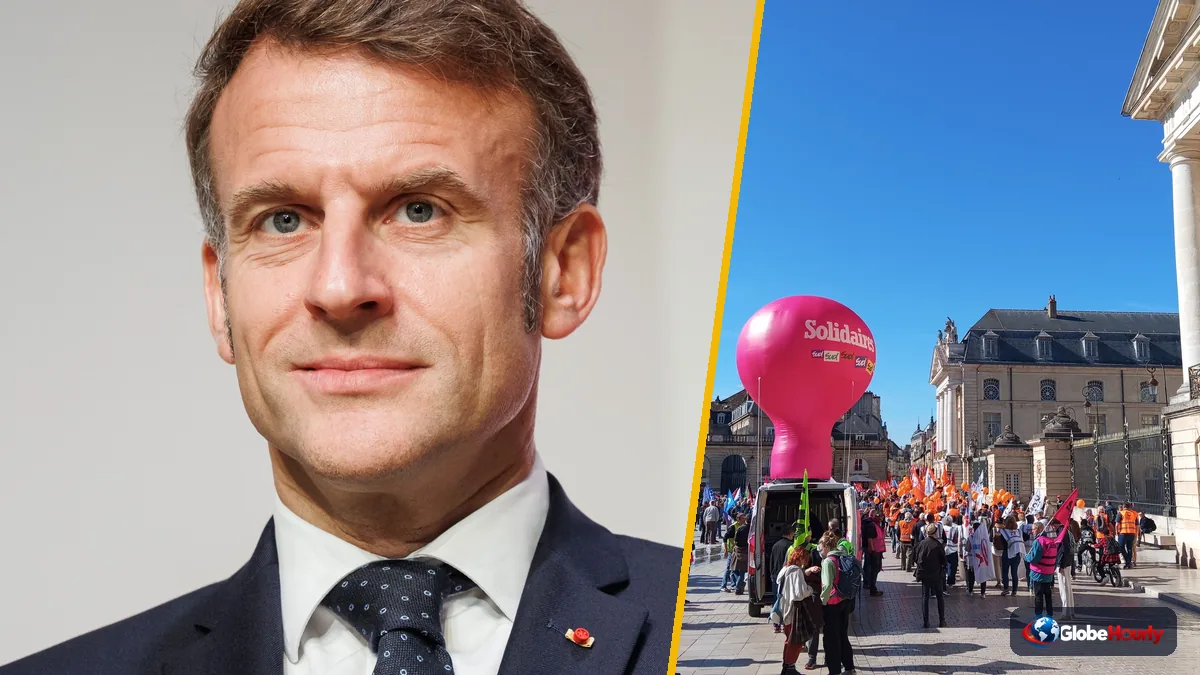
- President Emmanuel Macron said on Thursday, October 22, 2026, that 'illegitimate' protests will be banned in the coming days, after meeting intelligence chiefs and senior ministers.
- He blamed 'seditious' ultra-left groups and vandals for the riots and looting of Saturday, October 17; union-organised marches can go ahead but may be rerouted to protect shops.
- Paris banned Thursday's student protest around the Élysée, Parliament, main train stations and looted areas until 8pm and closed central metro stations; all Saturday protests in Lyon are banned, and marches in Lille and Grenoble were also prohibited.
- Yellow vests and the UNEF student union plan rallies on Saturday, October 24; PM Sébastien Lecornu promised a 'massive' security operation.
- Unions are focused on a national day of action on November 5.
French President Emmanuel Macron has ordered a crackdown on street protests after a week of riots. On Thursday, October 22, 2026, he said demonstrations by "illegitimate" groups will be banned in the coming days. He blamed what he called "seditious" ultra-left groups and vandals for the looting and arson of Saturday, October 17. Trade-union marches will still be allowed but may be diverted. New protests are planned for Saturday, October 24.
What Macron announced
Macron spoke after a meeting with intelligence chiefs and senior ministers. He described last Saturday's violence as "political and seditious acts by ultra-left groups whose aim is to bring down the Republic".
The new rules, as described by the president and local authorities:
| Measure | Details |
|---|---|
| Protests by groups without legitimate organisers | To be banned in the coming days |
| Trade-union marches | Allowed, but can be moved to other routes to protect businesses |
| Paris, Thursday Oct 22 | Student protest banned until 8pm around the Élysée Palace, both houses of Parliament, main train stations and looted districts; central metro stations closed |
| Lyon | All protests planned for Saturday, Oct 24, banned, including yellow vest marches |
| Lille and Grenoble | Thursday protests banned |
| Curfews | Night curfews continue in parts of Paris and other cities |
The Paris police prefecture said its ban was needed because of the risk of street violence after masked youths clashed with police, looted shops and set cars on fire. In one city, organisers said an administrative court overturned a police ban after they challenged it.
Background: from a school protest to national unrest
The movement began last month at a high school in Créteil, south-east of Paris, over staff shortages. Class strikes and school blockades spread to the Paris suburbs and then across the country. Students complained about underfunded schools, run-down buildings, missing teachers and a reform of university admissions.
The protests then widened into anger over the cost of living, high energy bills and public services. On October 17, more than half a million people marched across France. On the edges of those marches, groups looted shops and attacked public buildings in some of the worst urban unrest in years. Earlier this week the government imposed night curfews in parts of Paris, Lille, Lyon and other cities. More than 2,500 people were detained after the weekend. Two people were arrested over an arson attack on the city hall in Limoges.
Reactions
Union leaders met Prime Minister Sébastien Lecornu on Wednesday but said they got no concrete proposals. They are now focusing on a national day of action on November 5 and have asked public- and private-sector workers to join.
High-school and university groups say they will keep protesting despite the autumn school holidays. The UNEF student union has called rallies for Saturday, and the yellow vest movement, whose fuel-price protests shook France in 2018 and 2019, has filed plans for a march through central Paris. Critics say the bans limit the right to protest. Lecornu said a "massive" security operation will be in place on Saturday.
Why it matters
France faces a presidential election next year, and the unrest is putting heavy pressure on Macron's government. The crisis is also worrying markets: France's 10-year government bond yield rose above the US 10-year yield for the first time since 2013. Shops in central Paris were boarding up windows, and luxury brands increased security at their stores.
For visitors, including travellers from Pakistan and the Gulf, most of France is working normally, but marches, metro closures and curfews can change at short notice.
What happens next
- Saturday, October 24: yellow vest and student marches, with heavy policing; Lyon protests banned.
- Coming days: the government is expected to set out the legal basis for the new bans, which may face court challenges.
- Thursday, November 5: national day of action called by trade unions.
Questions people are asking
Are protests banned in France?
Not all of them. President Macron said on October 22, 2026, that protests by groups without legitimate authority will be banned, while trade-union marches can still go ahead on approved routes. Cities including Paris, Lyon, Lille and Grenoble have banned specific protests, and Lyon has banned all protests planned for Saturday, October 24.
Why is France banning protests?
The government says ultra-left groups and vandals turned the cost-of-living and education protests of October 17 into riots, with looting, arson and attacks on public buildings. Macron called those acts 'seditious' and aimed at bringing down the Republic.
When is the next big protest in France?
Yellow vest activists and student unions plan marches on Saturday, October 24, 2026, and trade unions have called a national day of action for Thursday, November 5.