US intel chief warns Iran plots against US officials at 'advanced stages'
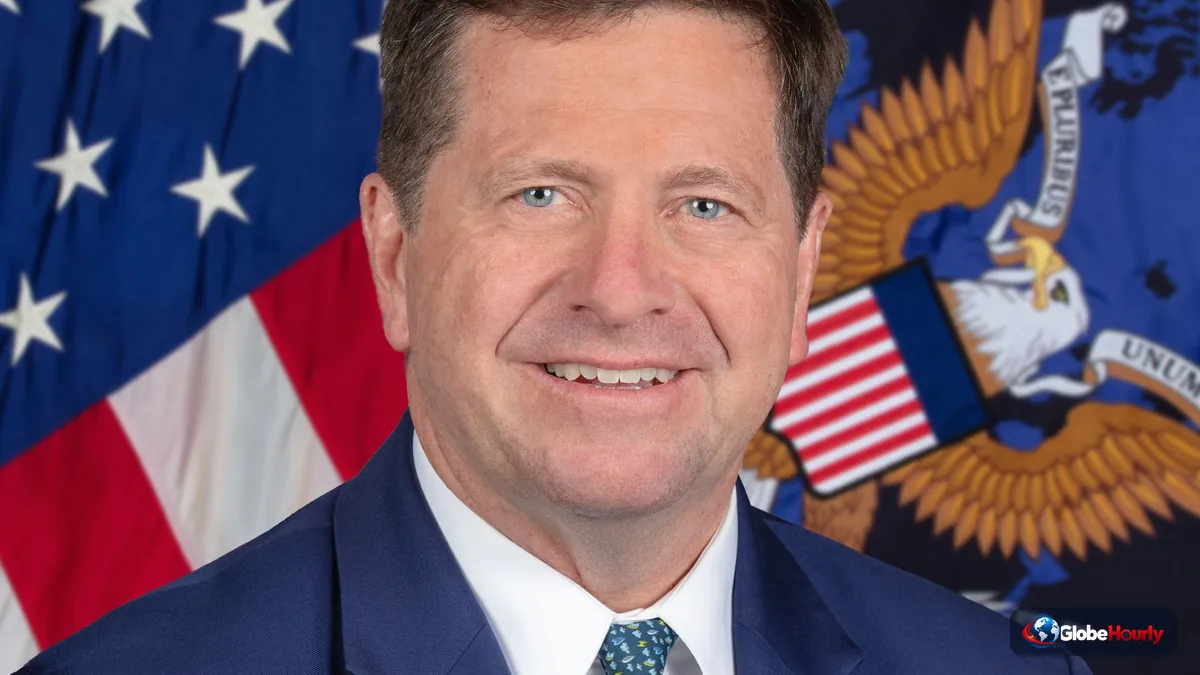
A memo from Director of National Intelligence Jay Clayton to Secretary of State Marco Rubio says Iran has sharply stepped up efforts to target Americans abroad, as the US cuts embassy staff across the Middle East.
At a glance
- Director of National Intelligence Jay Clayton warned Secretary of State Marco Rubio in an October 23 memo that Iran has 'substantially increased efforts to target U.S. personnel'.
- The memo says Iranian lethal plotting against US citizens has reached advanced stages in the Middle East and some other countries, but names no targets or dates.
- The State Department has ordered non-emergency staff out of Saudi Arabia and cut staff at posts including Lebanon, the UAE, Qatar and Jordan.
- The warning comes as President Trump weighs renewed strikes on Iran and Houthi missile attacks on Saudi Arabia continue.
The top US intelligence official has warned that Iran has sharply stepped up plots to harm American officials abroad. In a memo dated Friday, October 23, Director of National Intelligence Jay Clayton told Secretary of State Marco Rubio that Iran has "substantially increased efforts to target U.S. personnel" and that its lethal plotting has reached advanced stages in the Middle East and some other countries. The warning comes as the State Department pulls staff out of several embassies in the region and President Donald Trump weighs new strikes on Iran.
What the memo says
The memo is unclassified, and CIA Director John Ratcliffe was copied on it. US officials have confirmed its contents.
| Point | Detail |
|---|---|
| Author | Director of National Intelligence Jay Clayton |
| Recipient | Secretary of State Marco Rubio (copied: CIA Director John Ratcliffe) |
| Date | Friday, October 23, 2026 |
| Main warning | Iran has substantially increased efforts to target US personnel |
| Scope | Plotting at "advanced stages" in the Middle East and certain other countries |
| Not included | Specific targets, countries, or whether an attack is imminent |
Clayton wrote that the risk is relevant to more people than are currently cleared to see the underlying intelligence. The intelligence community is working to downgrade parts of it so the State Department can share it more widely with its staff.
Embassy drawdowns
The memo lands in the middle of a broad pullback of US personnel in the region:
| Country | Step taken |
|---|---|
| Saudi Arabia | Ordered departure of non-emergency staff and families earlier this week |
| Lebanon, UAE, Qatar, Jordan | Further staff reductions ordered |
| Several other posts | Moved to "restricted operations" status |
In announcing the cuts, the State Department pointed mainly to increased threats from Yemen's Houthi movement, which has stepped up missile and drone attacks on Saudi Arabia. A US official said both the Houthi threat and Iranian plots against US officials are shaping staffing decisions, adding that the department "constantly" evaluates the security environment. US military officials say the armed forces have also been quietly reducing their footprint at some Middle East posts.
Background
The United States and Iran have been in open confrontation since the US launched its "Epic Fury" campaign in February. A naval blockade of Iranian ports followed in April, and Iran has largely closed the Strait of Hormuz to shipping. A June interim deal brokered by Pakistan and Qatar has not held.
In recent days the Houthis have fired missiles at Saudi cities including Taif, Yanbu, Jeddah and the holy cities of Mecca and Medina; Saudi air defences intercepted them. An earlier strike on Riyadh's King Khalid Airport killed at least a dozen people, including a US citizen. US embassies across the Gulf have told Americans to be cautious.
Reactions
Iran has not publicly responded to the memo. Tehran has repeatedly said it will hit back hard at any country that attacks it.
At a campaign rally in Florida on Friday, Trump said the US "may do another little Epic Fury, or they'll agree", and on Saturday said a strike could come as early as Sunday. Reports say follow-up strike plans are ready pending White House approval.
Why it matters
The warning raises the risk level for the many Americans who live and work in the Gulf, and for the countries hosting them. It also signals that Washington sees the conflict spreading beyond the battlefield to covert attacks on officials.
For Pakistan and South Asia, the Gulf's security is a direct concern: millions of Pakistani, Indian and Bangladeshi workers live in Saudi Arabia, the UAE and Qatar, and their remittances support economies at home. Further escalation would also push oil prices, already near $117 a barrel, even higher.
What happens next
- Embassy status: Watch for further ordered departures or travel warnings for Gulf countries.
- Intelligence sharing: Parts of the memo's intelligence are being downgraded for wider sharing with diplomats.
- Strike decision: Trump has not announced whether the US will resume strikes; options are reported to be ready.
- November 3: US midterm elections, which several reports link to the timing of any new military action.
Questions people are asking
What did the US intelligence memo about Iran say?
The October 23 memo from Director of National Intelligence Jay Clayton to Secretary of State Marco Rubio says Iran has substantially increased efforts to target US personnel and that its lethal plotting has reached advanced stages in the Middle East and other countries. It does not name targets or say whether attacks are imminent.
Which US embassies are reducing staff?
The State Department ordered non-emergency staff and families to leave Saudi Arabia and reduced staffing at posts including Lebanon, the United Arab Emirates, Qatar and Jordan, several of which are on 'restricted operations' status.
Is the US going to strike Iran again?
No decision has been announced. President Trump has said the US could strike again soon or reach a deal, and US military planners have prepared options, according to reports.