FTC and 20 states sue Dollar General over checkout overcharges
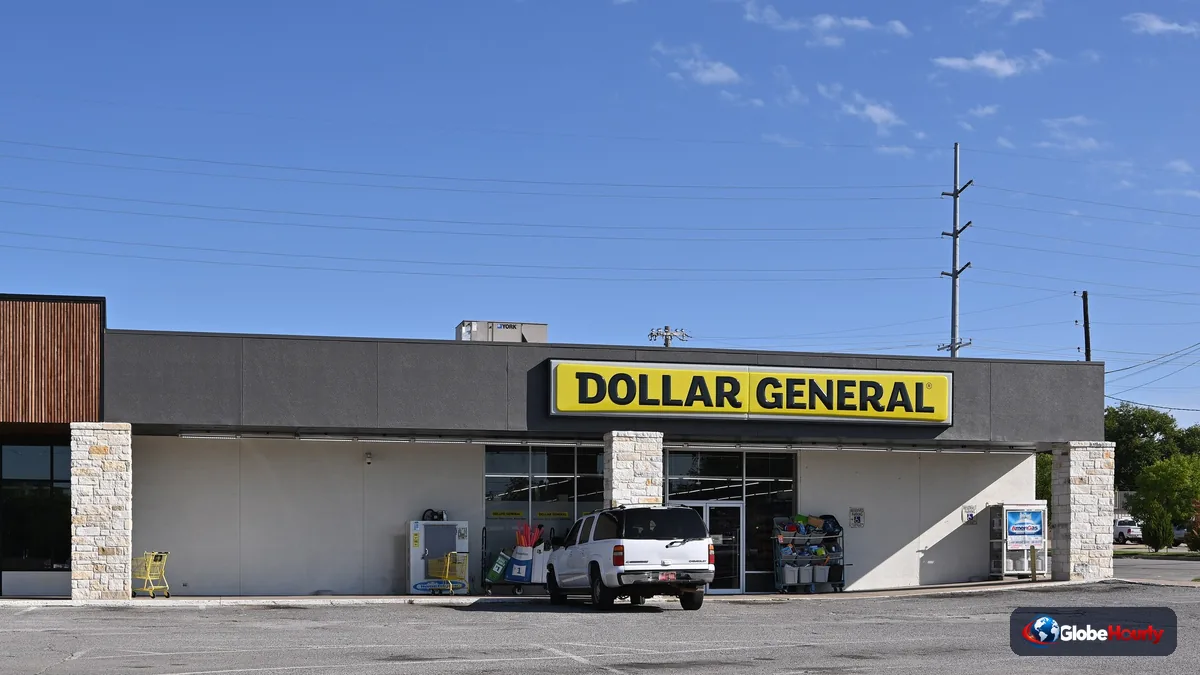
US regulators and 20 states accuse Dollar General of charging shoppers more at the register than the prices on its shelves for years, costing customers millions of dollars at more than 21,000 discount stores.
At a glance
- The Federal Trade Commission and 20 states sued Dollar General on Monday, October 26, 2026, in federal court in Tennessee, the retailer's home state.
- They allege the chain routinely charged more at checkout than the prices shown on shelves, price tags and ads, taking millions of dollars in overcharges from customers.
- The complaint cites almost 30,000 consumer complaints between 2019 and March 2026, failed state price inspections and undercover FTC test purchases.
- Regulators want a court order forcing the company to fix its pricing, plus money for consumers. Dollar General shares fell about 4% on Monday.
The US Federal Trade Commission and 20 states sued Dollar General on Monday, October 26, 2026, accusing America's largest discount store chain of charging customers more at the checkout than the prices displayed on its shelves, tags and advertisements for years. The lawsuit, filed in federal court in Tennessee, says the company knew about the problem and failed to fix it, taking millions of dollars in overcharges from shoppers, many of them on tight budgets.
What the lawsuit says
The complaint was filed in the US District Court for the Middle District of Tennessee, where Dollar General has its headquarters in Goodlettsville, near Nashville. The FTC's commissioners voted 2-0 to bring the case.
According to the regulators, thousands of Dollar General stores repeatedly mislabelled prices, so that the amount scanned at the register was higher than the price a customer had seen on the shelf. They say the company received tens of thousands of complaints from shoppers whose advertised price was not honoured, but did not put in place adequate safeguards to stop it.
| Detail | Figure |
|---|---|
| Plaintiffs | Federal Trade Commission + 20 states |
| Court | US District Court, Middle District of Tennessee |
| Filed | Monday, October 26, 2026 |
| Dollar General stores | More than 21,000 |
| Consumer complaints cited | Almost 30,000 (2019 to March 2026) |
| Evidence cited | Failed state price inspections, FTC undercover purchases |
| Relief sought | Permanent injunction, money for consumers |
| Share reaction | Down about 4% on Monday |
The 20 states joining the case are Alabama, Arizona, Arkansas, California, Connecticut, Florida, Illinois, Iowa, Kansas, Louisiana, Michigan, Mississippi, Nebraska, New Jersey, North Carolina, Ohio, Oklahoma, Tennessee, Utah and Wisconsin. The regulators say the conduct breaks the FTC Act's ban on deceptive practices as well as state consumer-protection laws.
Background
Dollar General sells groceries, cleaning products and household basics, often in small towns and low-income neighbourhoods where it may be the closest shop. It markets itself as a low-price alternative to big-box retailers, which makes accurate shelf prices central to its appeal.
Pricing errors at the chain have drawn official complaints for years. State weights-and-measures inspectors in several states have reported Dollar General stores failing price-accuracy checks, where inspectors scan a sample of items and compare the register price with the shelf label. The company has previously settled individual state and private claims over overcharging. Monday's case is the first coordinated national action by the FTC and a large group of states.
Reactions
Christopher Mufarrige, director of the FTC's Bureau of Consumer Protection, said Dollar General "has betrayed the trust of millions of American consumers" and that the case aims to lower costs for families by stopping deceptive pricing. The FTC said shoppers rely on advertised low prices to manage their household budgets.
Dollar General did not immediately respond to requests for comment on Monday. Investors reacted quickly, sending the shares down about 4% after the lawsuit was announced.
Why it matters
Even small overcharges add up across more than 21,000 stores and millions of transactions a week. The customers most affected are often those least able to absorb extra costs, at a time when food and household prices remain a top concern for US voters.
The case also signals that consumer-protection regulators are focusing on "everyday" pricing practices, not only on online fees and subscriptions. Other retailers may face closer checks on whether their shelf labels match their registers.
What happens next
- Court case: Dollar General will file its response in the Tennessee federal court. The case could end in a settlement, with refunds and new pricing controls, or go to trial.
- Possible relief: The regulators are asking for a permanent order requiring accurate pricing, as well as money to compensate consumers. Any refund scheme would be announced by the FTC or the states.
- For shoppers now: Compare your receipt with the shelf price before leaving the store and ask for a correction if they differ. Overcharges can be reported to the FTC at ReportFraud.ftc.gov or to your state attorney general.
Questions people are asking
Why is Dollar General being sued by the FTC?
The FTC and 20 states say Dollar General charged customers more at the register than the prices on its shelves, tags and adverts for years and failed to fix the problem despite tens of thousands of complaints. The lawsuit was filed on October 26, 2026, in federal court in Tennessee.
Which states are suing Dollar General?
Alabama, Arizona, Arkansas, California, Connecticut, Florida, Illinois, Iowa, Kansas, Louisiana, Michigan, Mississippi, Nebraska, New Jersey, North Carolina, Ohio, Oklahoma, Tennessee, Utah and Wisconsin joined the FTC's lawsuit.
What should I do if Dollar General overcharged me?
Check your receipt against the shelf price before leaving and ask the store to correct any difference. You can also report the overcharge to the FTC at ReportFraud.ftc.gov or to your state attorney general's consumer office.