Israel election exit polls: deadlock as Eisenkot bloc gets 53 seats, Netanyahu 50
Exit polls from Israel's October 27 vote show Likud as the biggest party but neither Netanyahu's bloc nor Gadi Eisenkot's opposition near the 61 seats needed, with record turnout and record Arab representation.
At a glance
- Polls closed at 10pm local time on Tuesday, October 27, 2026; exit polls on three television channels show no bloc reaching the 61 seats needed for a majority in the 120-seat Knesset.
- The anti-Netanyahu bloc is projected at 52–53 seats, Netanyahu's bloc at 50 and Arab-led parties at a record 17–18.
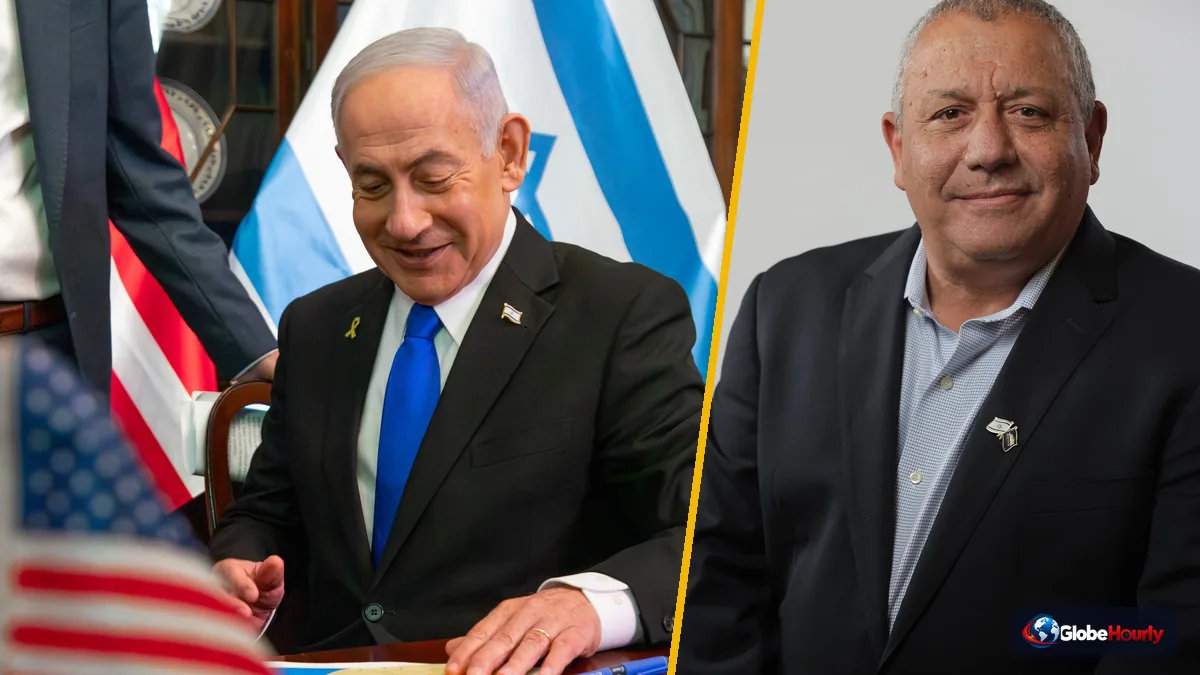
- Netanyahu's Likud is projected as the largest party with 24–25 seats; Gadi Eisenkot's Yashar is second with 21–23.
- Turnout reached 74.3% by 8pm, already above the 70.6% final turnout of 2022 and the highest at that hour since 1988.
- The Central Elections Committee expects official results by Wednesday evening; President Isaac Herzog then decides who gets the first chance to form a government.
Israel's general election on Tuesday, October 27, 2026, appears to have ended in deadlock. Exit polls released when voting closed at 10pm local time (01:00 Wednesday Pakistan time) show the opposition bloc led by former army chief Gadi Eisenkot slightly ahead of Prime Minister Benjamin Netanyahu's right-wing and religious bloc, but neither side is close to the 61 seats needed for a majority in the 120-seat Knesset. Netanyahu's Likud is still projected to be the largest single party.
These are projections, not results. The Central Elections Committee began counting straight away and expects to publish official figures by Wednesday evening.
What the exit polls show
All three main television exit polls tell a similar story: a narrow lead for the anti-Netanyahu camp, with Arab-led parties holding the balance.
| Bloc (of 120 seats) | Kan | Channel 12 | Channel 13 |
|---|---|---|---|
| Anti-Netanyahu bloc | 53 | 52 | 53 |
| Netanyahu bloc | 50 | 50 | 50 |
| Arab-led parties | 17 | 18 | 17 |
Projected seats for the largest parties:
| Party | Leader | Kan | Channel 12 | Channel 13 |
|---|---|---|---|---|
| Likud | Benjamin Netanyahu | 25 | 24 | 25 |
| Yashar | Gadi Eisenkot | 21 | 22 | 23 |
| B'Yachad | Naftali Bennett | 14 | 12 | 14 |
| Joint List | — | 10 | 11 | 10 |
| Democrats | Yair Golan | 10 | — | — |
| Yisrael Beytenu | Avigdor Liberman | 8 | — | — |
| Otzma Yehudit | Itamar Ben Gvir | 7 | — | — |
| Ra'am | Mansour Abbas | 7 | — | — |
| Shas | Aryeh Deri | 6 | — | — |
| United Torah Judaism | — | 6 | — | — |
| Religious Zionism | Bezalel Smotrich | 6 | — | — |
Two new right-leaning lists — the Reservists party of Yoaz Hendel and Ofer Winter's list — are projected to fall below the 3.25% threshold needed to enter parliament, which costs the right-wing camp votes.
The combined 17–18 seats for Arab-led parties would be a record. Neither main bloc counts them, but they could decide whether an anti-Netanyahu government is possible, either by joining or by supporting it from outside.
Record turnout
Turnout was exceptionally high. By 4pm, 55.7% of eligible voters had cast ballots, the highest ever at that hour. By 8pm the figure was 74.3%, more than 5.4 million people — already above the 70.6% final turnout of the 2022 election and the highest at that hour since 1988. Turnout among prisoners and detainees reached nearly 89%.
The Central Elections Committee turned down a Likud request to extend voting hours, saying turnout was already high; people already queuing at 10pm were still allowed to vote. Heavy rain closed some roads in the south during the day.
Background
This is Israel's first general election since November 2022 and the first since the Hamas-led attack of October 7, 2023 and the long Gaza war that followed. Netanyahu, 77, Israel's longest-serving prime minister, is seeking another term while still on trial in his corruption cases, which he denies.
Eisenkot, a former chief of staff of the army who lost a son in Gaza, built the Yashar party as the main centrist challenger and campaigned on accountability for October 7 and on ending Netanyahu's rule. US President Donald Trump publicly endorsed Netanyahu nine days before the vote, while the campaign was shaped by the wider conflict with Iran and its allies.
Reactions
Both leaders were expected to claim the momentum. During the day Netanyahu warned supporters that his opponents were trying to "steal" the election and that a low right-wing turnout would bring a government backed by Arab parties. Finance Minister Bezalel Smotrich urged right-wing voters not to despair.
Eisenkot's party accused Netanyahu of laying the groundwork to challenge the result, and Eisenkot said at a rally that the prime minister would stop at nothing to stay in power. Ra'am leader Mansour Abbas said his party would help bring Netanyahu's government down.
There were several tense incidents. Yisrael Beytenu said its activists were attacked at a stand in Netanya and that it would file a police complaint; a man was arrested after approaching Democrats leader Yair Golan with a knife; and Ra'am complained that police removed ballot boxes in the Negev town of Arara. The Central Elections Committee rejected several claims of foul play.
Why it matters
The result decides who leads Israel through the aftermath of the Gaza war, the confrontation with Iran and its allies, tensions in the West Bank and the debate over a ceasefire framework in the region. A change of government could shift Israel's approach to Gaza's reconstruction, relations with Gulf states and the US, and judicial reform at home.
For Pakistan, the Gulf and the wider Muslim world, the vote matters because Israel's next government will shape the future of Gaza and the West Bank, the security of shipping in the Red Sea and the Strait of Hormuz, and oil prices that feed directly into fuel costs in South Asia.
What happens next
- Overnight and Wednesday, October 28: the Central Elections Committee releases partial counts; official results are expected by Wednesday evening. Final seat totals often differ from exit polls by a few seats, especially for parties near the threshold.
- Following days: President Isaac Herzog consults every party that enters the Knesset, then asks the candidate he judges best placed to form a coalition. As leader of the largest party, Netanyahu is widely expected to get the first chance.
- The designated candidate has up to 28 days, extendable by 14, to form a government. If no one reaches 61 seats, Israel could face another election, as it did five times between 2019 and 2022.
GlobeHourly will update this story as official results come in.
Questions people are asking
Who won the Israel election 2026?
No one has a clear win yet. Exit polls give the anti-Netanyahu bloc 52–53 seats and Netanyahu's bloc 50, both short of the 61 needed, while Likud is projected to be the largest single party with 24–25 seats.
When will the Israel election results be announced?
The Central Elections Committee is counting through the night and expects to announce official results by Wednesday evening, October 28, 2026. Final results often differ from exit polls by a few seats.
How many seats are needed to form a government in Israel?
A coalition needs at least 61 of the Knesset's 120 seats. After final results, President Isaac Herzog consults every party and asks the candidate with the best chance of reaching 61 to form a government.