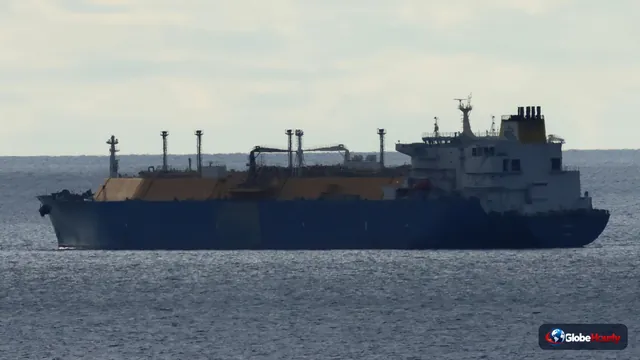
Limpet mines return to Hormuz: small boat attached two explosives to tanker Louise 1, in first such hit of the war
UKMTO says a small boat fixed two explosives to a tanker off Oman, sparking an engine-room fire. It is the first successful limpet mine hit of the Iran war.
At a glance
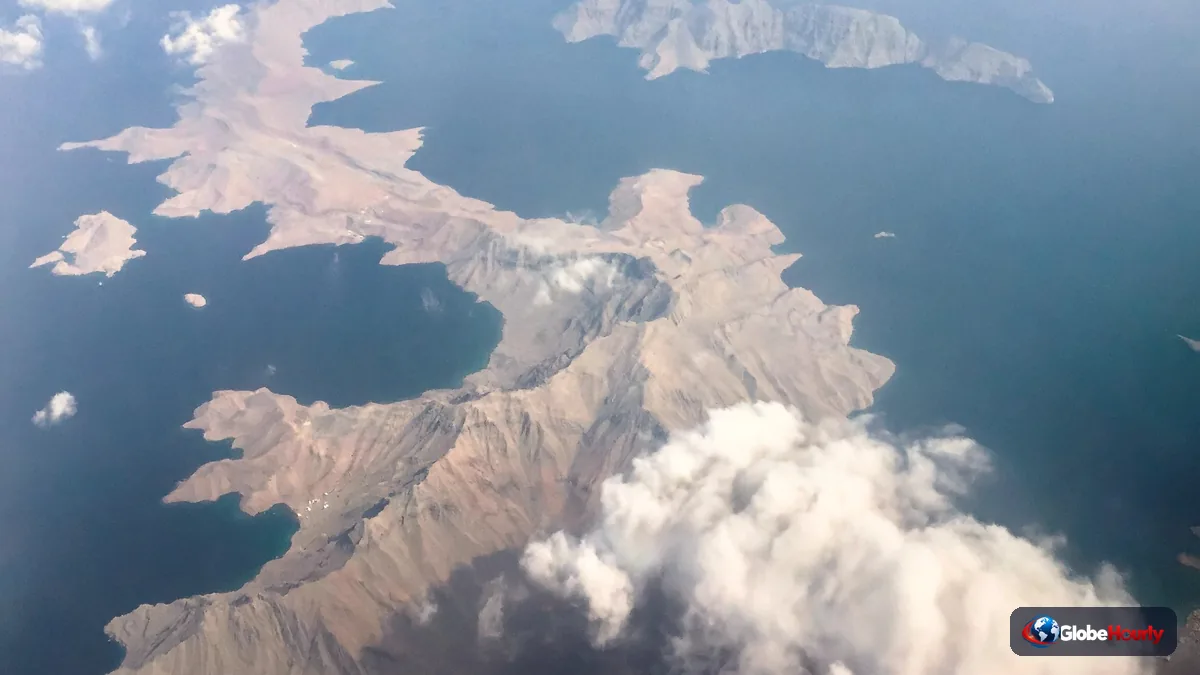
- UKMTO said a small boat attached two explosive devices to a tanker about 25 nautical miles north-east of Khasab, Oman, on Thursday, October 29, 2026, starting an engine-room fire.
- Maritime security sources named the ship as the Panama-flagged Louise 1 and said the devices were limpet mines, the first successful use of the weapon against a tanker since the war began in February.
- The crew is safe, the fire is out and the ship has resumed its voyage. Nobody has claimed responsibility.
- The last known limpet mine attacks on merchant ships in the region were in 2019; a similar attempt in September this year failed when the devices did not explode.
A small boat pulled up alongside a tanker leaving the Strait of Hormuz on Thursday, attached two explosive devices to its hull and got away, Britain's maritime monitoring agency UKMTO said on Friday, October 30, 2026. The blasts started a fire in the engine room and briefly disabled the ship. Maritime security sources named it as the Panama-flagged Louise 1 and said the weapons were limpet mines, the first to hit a tanker successfully since the war began in February.
UKMTO said the attack happened about 25 nautical miles north-east of Khasab, Oman, with the devices placed on the port side above the waterline. All crew are safe, the fire is out, there was no pollution, and the ship has continued to its next port. Nobody has claimed responsibility.
Why shipping companies are worried about this one
Missiles and drones can be spotted, tracked and sometimes shot down. A limpet mine needs only a cheap small boat and a few seconds beside a ship. Marisks, a Greek maritime risk company, called the ability of a small craft to approach a moving tanker and withdraw a significant concern in the strait's crowded lanes.
Martin Kelly of the security firm EOS Risk Group, who also identified the vessel, warned that the bigger danger is to ships waiting at anchor, where a charge could be placed below the waterline without the crew noticing. He said that would cause serious damage and flooding. Thursday's devices were above the waterline, which is one reason the ship kept going.
Two maritime security sources said a similar attempt in September failed because the devices did not explode. The Louise 1 has had a bad year: it was reportedly struck by Ukrainian naval drones in the Black Sea in July.
The last time: 2019
The method has a history in these waters. In May 2019, four vessels anchored off Fujairah were damaged, and in June that year the tankers Kokuka Courageous and Front Altair were hit in the Gulf of Oman. Washington blamed Iran for those attacks and Tehran denied it.
Two days of competing claims in the strait
The Louise 1 report adds to a confused picture. Iran says the ships it reports hit sea mines, the US says there are no mines in the main lanes, and independent evidence for Tehran's wider claims remains limited.
| Date | Who said it | Claim |
|---|---|---|
| Oct 29 | IRGC Navy | Three tankers hit mines and caught fire on an "unauthorised" southern route |
| Oct 29 | Iran's army | A fourth tanker damaged by mines east of the strait |
| Oct 29 | UKMTO | Tanker hit by unknown projectile near Khasab at about 16:00 GMT; dhow burned and sank, crew safe |
| Oct 30 | UKMTO | Details of the Louise 1 attack: two devices attached by small boat |
| Oct 30 | IRGC | Tankers stopped after "incidents" on unauthorised routes; no names or flags given |
| Oct 30 | Iran's navy, on state media | Destroyed a US unmanned vessel in the eastern strait; no US confirmation |
It is not clear whether the Louise 1 is one of the ships in Iran's statements. Admiral Brad Cooper, the top US commander in the region, has insisted the primary lanes are clear of mines and safe. An IRGC spokesman told Washington to prove that with independent evidence.
What it means at the pump and at the port
Before the war, about a fifth of the world's energy supplies passed through Hormuz. Traffic has since fallen to single-digit passages on many days, and each new method of attack makes insurers and owners more nervous about the ships still running. For importers such as Pakistan, India and Bangladesh, that risk ends up in fuel prices. Pakistan has been leaning on Saudi crude loaded at Yanbu, on the Red Sea, to avoid the strait altogether.
Talks continue under the threat
Qatari mediators returned to Tehran on Friday with a revised US draft, and Iran is expected to respond by the end of the week. At the same time, US officials have been preparing military options for President Donald Trump, who has said the war will end soon. Iran insists the US blockade of its ports must be lifted before peace talks begin. The next dates that matter are Iran's reply and the US midterm vote on November 3.
Questions people are asking
What is a limpet mine?
It is an explosive charge fixed directly to a ship's hull, usually by divers or from a small boat. Unlike a sea mine, it does not wait in the water for a vessel to pass.
Who attacked the tanker Louise 1?
No one has claimed it and no government has officially been blamed. One maritime risk adviser described it as a step in Iran's campaign against shipping, while Iran's own statements describe tankers hitting mines on routes it calls unauthorised.