Police arrest 325 at London protest backing banned Palestine Action, days before the Supreme Court hears challenge to the ban
The Met arrested 325 people at the US embassy in London on Saturday, 320 under the Terrorism Act, before a Supreme Court hearing on the ban on November 4.
At a glance
- The Metropolitan Police said it arrested 325 people on Saturday, 320 for expressing support for a proscribed organisation.
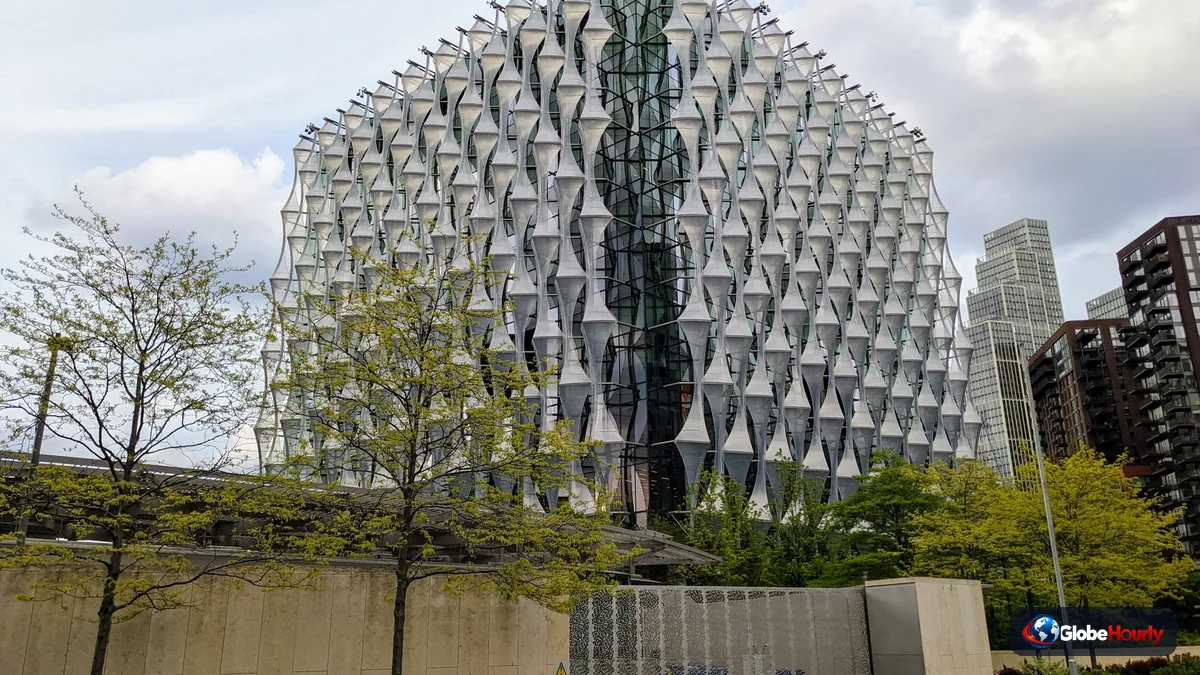
- The protest outside the US embassy in Nine Elms was organised by Defend Our Juries.
- The Supreme Court will hold a two-day hearing from Wednesday, November 4, on the government's July 2025 ban.
- Campaigners and police tallies put arrests since the ban at more than 4,000; support for the group carries up to 14 years in prison.
London's Metropolitan Police arrested 325 people on Saturday at a protest outside the US embassy in support of Palestine Action, the group banned under Britain's anti-terror laws. The force said on Sunday that 320 of them were held for expressing support for a proscribed organisation under the Terrorism Act. The protest came four days before the UK Supreme Court begins hearing a challenge to the ban.
Hundreds of people gathered at Nine Elms in southwest London, many holding signs reading "I oppose genocide, I support Palestine Action". Officers began arresting demonstrators one by one around midday, carrying those who refused to walk to police vans.
Why holding a sign can mean arrest
The government banned Palestine Action in July 2025, placing it on the same list as Hamas. That makes membership of or support for the group a crime punishable by up to 14 years in prison, and it covers something as simple as a placard.
The organisers, Defend Our Juries, have used that fact deliberately. Their protests ask people to break the law openly and in large numbers, to test how far police and courts will go. More than 4,000 people have been arrested so far, according to campaigners and police tallies, including many older people and some Holocaust survivors.
Those detained on Saturday included people like Charles Allison, a 75-year-old retired lawyer who came from Cumbria. "I fear for our civil liberties," he said. Crowd members applauded and chanted as people were led away to vans parked on Ponton Road, just off the embassy grounds, before being moved to police stations. One protester climbed a tree outside the embassy with a placard. Other signs read "we are protesters, not terrorists" and "heroes, not terrorists", and some demonstrators wore keffiyehs and waved Palestinian flags. Mr Allison said he felt dejected about the state of civil liberties, but encouraged by how many people had come.
Saturday in London and Edinburgh
| Place | What happened | Arrests |
|---|---|---|
| US embassy, Nine Elms, London | Mass sign-holding action | 325, including 320 under the Terrorism Act |
| US consulate, Edinburgh | Smaller rally | None on the day; Police Scotland reviewing evidence |
Police Scotland said inquiries were ongoing to identify people seen wearing T-shirts and holding banners in support of a proscribed organisation.
The embassy was chosen because Washington itself designated Palestine Action as a terrorist group in August, as the Trump administration widened its campaign against left-wing movements.
What each side argues
The government argues the group went well past protest, pointing to break-ins and damage at defence-related sites and to a raid on an RAF base. Ministers say the ban targets a specific organisation, not support for Palestinians or opposition to the war in Gaza.
Opponents call it a misuse of terrorism law, one that treats direct action against property the same as violence against people. They also argue that criminalising a slogan on a piece of cardboard has a chilling effect on free speech, and that police are being stretched by hundreds of arrests at a time.
What the Supreme Court could change
The court will sit for two days from Wednesday, November 4. A ruling against the government could put thousands of pending prosecutions in doubt, while a ruling in its favour would confirm that the arrests can carry on and the protest strategy would face its hardest test. A judgment is not expected immediately after the hearing.