Rachel Reeves says Britain's future 'lies in the European Union' as she backs Burnham's Brexit debate
Ex-chancellor Rachel Reeves says Brexit left Britain 'poorer, weaker and less secure' and backs rejoining, weeks before the November 20 UK-EU summit.
At a glance
- Rachel Reeves, sacked as chancellor by Prime Minister Andy Burnham, wrote on Sunday that 'Britain's future lies in the European Union'.
- She said Brexit made the UK 'poorer, weaker and less secure' and that rejoin supporters must still make the case.
- Burnham has said he wants Britain back in the EU in his lifetime but has ruled it out in this parliament.
- The UK-EU summit on November 20 is expected to cover trade and climate rules; Reeves wants a youth mobility scheme confirmed.
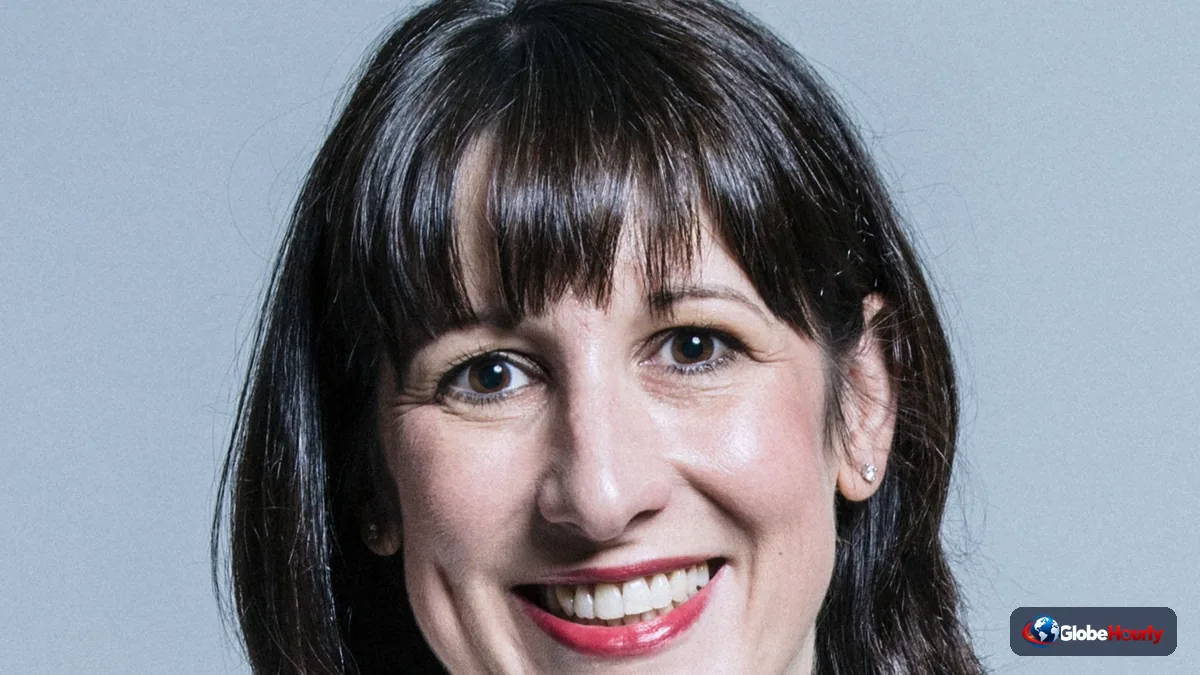
Former British chancellor Rachel Reeves said on Sunday that "Britain's future lies in the European Union", becoming one of the most senior Labour figures to back rejoining. In a newspaper article published less than three weeks before a UK-EU summit, she wrote that Brexit "has made us poorer, weaker and less secure".
Reeves, who was sacked by Andy Burnham when he became prime minister, helped write the Labour manifesto that promised Britain would stay outside the EU. She now says no one at the Treasury "ever doubted where my instincts were".
Her argument, and the caution attached to it
Reeves did not call for an immediate application to rejoin. She said it was "incumbent on supporters of our re-entry to make the argument, demonstrate tangible benefits and to get the next steps right".
She welcomed Burnham's leadership in opening the debate, and set out what she wants from the summit: "at a minimum" confirmation of a youth mobility scheme negotiated earlier this year, and, she hoped, progress toward joining the EU's SAFE defence partnership. SAFE is the bloc's defence programme, and British access to it has been one of the harder questions between London and Brussels. She also urged the government to be "braver" in reforming planning rules so that more homes and infrastructure can be built, and to use Britain's strengths in artificial intelligence.
Where the main figures stand on Europe
| Person | Position |
|---|---|
| Rachel Reeves, former chancellor | Britain's future lies in the EU; supporters must make the case |
| Andy Burnham, prime minister | Open to free movement; wants to rejoin in his lifetime, ruled out in this parliament |
| Labour's 2024 manifesto | Britain stays outside the EU |
| Kemi Badenoch, Nigel Farage | Strongly opposed to reopening the question |
Reeves, the MP for Leeds West and Pudsey, now joins the most prominent Labour voices on this side of the argument. Burnham told an interviewer in September that it was time for an "honest and grown-up conversation" about the relationship with Europe, and called at Labour's conference that month for closer links with the EU, and last week said he was open to restarting free movement. His remarks drew fierce criticism from Kemi Badenoch and Nigel Farage, as well as some Labour allies.
A former chancellor's record comes with the argument
The obvious question is why Reeves did not make this case in office, when she was the minister with the most power to act on it. She has also defended her time at the Treasury, saying she "absolutely" got the big calls right.
What it would mean for people, including those outside Britain
Any change is years away, since rejoining would need a new government mandate and the agreement of all EU member states. What could move first is the youth mobility scheme, which would make it easier for young Britons and Europeans to work and study in each other's countries for limited periods.
A free-movement deal would also matter for people from further afield. Britain's post-Brexit immigration system treats EU and non-EU workers under the same rules, and a shift toward Europe could affect how employers recruit from countries such as Pakistan and India, although no such changes have been proposed.
Trade and climate rules are also on the table. Leaders are due to meet on November 20, when both sides hope to sign a set of agreements. That summit will show how much of this debate has become policy.