Riyadh airport reopens Terminals 1 and 2 to international flights despite Houthi threats
King Khalid International Airport resumed international flights by Saudi carriers from Terminal 2 on Sunday, more than two weeks after deadly Houthi strikes, even as the Houthis warned travellers to stay away.
At a glance
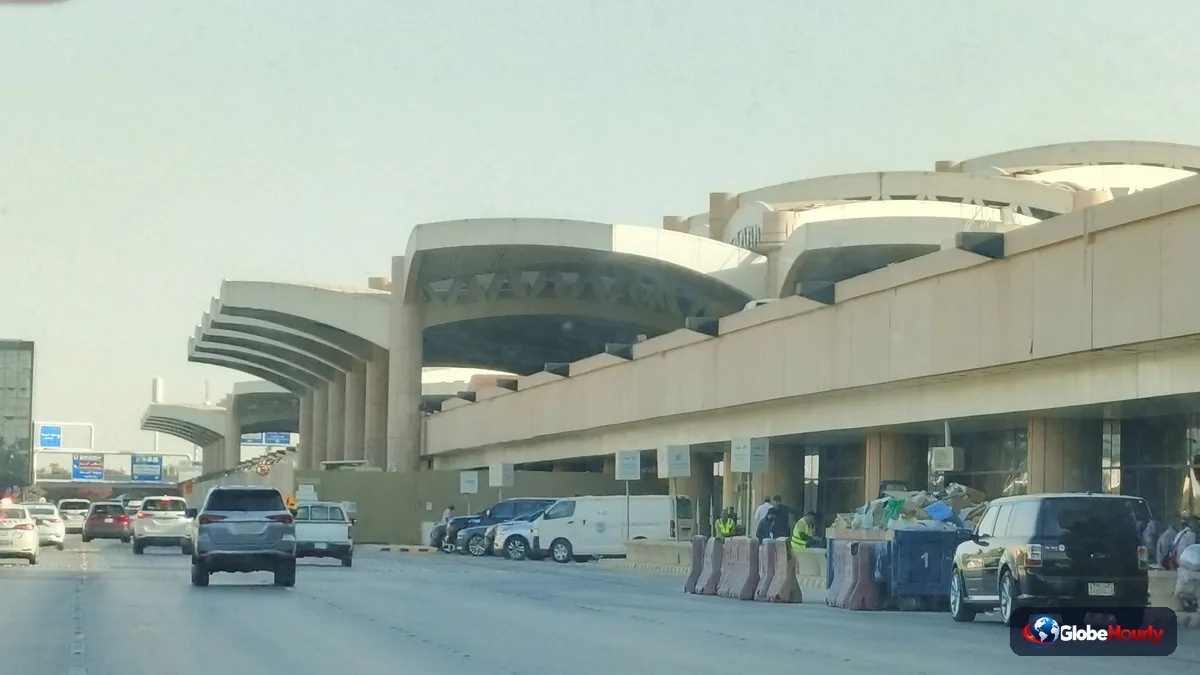
- Saudi Arabia reopened Terminals 1 and 2 at Riyadh's King Khalid International Airport on Sunday, October 25, 2026: Terminal 1 for domestic flights and Terminal 2 for international flights by Saudi national carriers.
- Terminals 3 and 4, hit in the Houthi strikes, stay closed; flight-tracking data showed light traffic on the first day.
- Houthi military spokesman Yahya Saree said the airport would 'never be safe' and told airlines, staff and passengers not to use it.
- Saudi forces said they intercepted a ballistic missile and a drone aimed at Riyadh early Sunday and 10 ballistic missiles fired at the south; shrapnel injured two people.
- An attack on the airport on October 10 killed 13 people, according to Saudi authorities, the deadliest attack in the kingdom in more than a decade.
Saudi Arabia partly reopened Riyadh's King Khalid International Airport to international travel on Sunday, October 25, 2026, bringing Terminals 1 and 2 back into service more than two weeks after Houthi strikes put much of the kingdom's main hub out of action. The reopening went ahead even as Yemen's Houthis kept firing missiles and drones at Saudi cities and warned that the airport remained a target.
What happened
Under the new arrangement, Terminal 1 handles domestic flights and Terminal 2 handles international flights operated by Saudi national carriers. Terminals 3 and 4, which were in the complex hit by the strikes earlier this month, remain closed. A limited domestic service had already restarted the previous week. Flight-tracking data showed only light traffic on Sunday, and some flights normally based in Riyadh are still operating from other Saudi airports.
| Terminal | Status from October 25 |
|---|---|
| Terminal 1 | Open — domestic flights |
| Terminal 2 | Open — international flights by Saudi national carriers |
| Terminals 3 and 4 | Closed after strike damage |
Early on Sunday, Saudi military spokesman Maj. Gen. Turki al-Malki said air defences intercepted and destroyed a ballistic missile and a drone launched by the Houthis towards Riyadh. The Saudi-led coalition later said it shot down 10 ballistic missiles fired at southern Saudi Arabia. Falling shrapnel over Khamis Mushait and Ahad Rafidah injured two people and damaged homes and vehicles.
Background
The Houthis, who are backed by Iran, have carried out a sustained missile and drone campaign against Saudi Arabia this month after fighting in Yemen shattered the UN-brokered truce that had largely held since 2022. The coalition says the group launched 20 attacks on the Riyadh airport between October 1 and 11. On October 10, a strike that the Houthis claimed killed 13 people, according to Saudi authorities, and wounded hundreds — the deadliest attack inside the kingdom in more than a decade. Airport operations were suspended the same day.
The attacks have also forced the postponement of major events in the kingdom and led many foreign airlines to suspend flights to Riyadh, Jeddah and Dammam. In recent days Saudi air defences have intercepted missiles aimed at Taif, Yanbu, Jeddah and the holy cities of Mecca and Medina. Last month the Houthis also seized territory on Yemen's Red Sea coast, pushing towards the Bab el-Mandeb Strait.
Reactions
Houthi military spokesman Yahya Saree said the airport would "never be safe", called it a military target and urged airlines, airport workers and travellers not to use it. The Saudi military continued to announce interceptions throughout Sunday, while the reopening went ahead in stages, with domestic flights first and Saudi carriers' international services next.
Why it matters
King Khalid International is one of the busiest airports in the Middle East and a key gateway for millions of foreign workers and pilgrims. For Pakistan, which has more than two million citizens living and working in Saudi Arabia, the closure disrupted travel for workers, families and Umrah pilgrims flying to and from Riyadh. The reopening of international operations — even partly, and only on Saudi carriers for now — is the first step towards normal travel, but continued attacks mean schedules may change at short notice.
What happens next
Saudi authorities have not given a date for reopening Terminals 3 and 4 or for the return of foreign airlines. Airlines that suspended services are reviewing their plans day by day. Further Houthi attacks could again disrupt operations.
Advice for passengers
- Check your flight status with your airline before leaving for the airport; do not rely on old tickets or schedules.
- Confirm which terminal your flight uses: domestic flights use Terminal 1, international flights by Saudi carriers use Terminal 2.
- Passengers booked on foreign carriers should ask about rebooking via Saudi carriers or other Saudi airports.
- Follow instructions from Saudi civil defence if sirens sound.
Questions people are asking
Is Riyadh airport open now?
Yes, partly. Since October 25, 2026, King Khalid International Airport's Terminal 1 handles domestic flights and Terminal 2 handles international flights by Saudi national carriers, while Terminals 3 and 4 remain closed after Houthi strikes.
Are flights from Pakistan to Riyadh operating?
International services from Riyadh are restarting only on Saudi national carriers through Terminal 2, and many foreign airlines have not yet resumed. Passengers from Pakistan should confirm their booking directly with their airline before going to the airport.
Why was Riyadh airport closed?
Operations were suspended on October 10, 2026, after a Houthi attack on the airport killed 13 people and injured hundreds, part of a wave of missile and drone strikes on Saudi Arabia from Yemen.