Rubio says US has heard Pakistan on Afghan-based terrorism and will play a 'productive role' if it can, as ISPR warns Taliban of 'punishment'
Rubio said the US does not want Pakistan targeted by terrorism but offered no new step. ISPR's chief warned the Afghan Taliban of a 'cost'.
At a glance
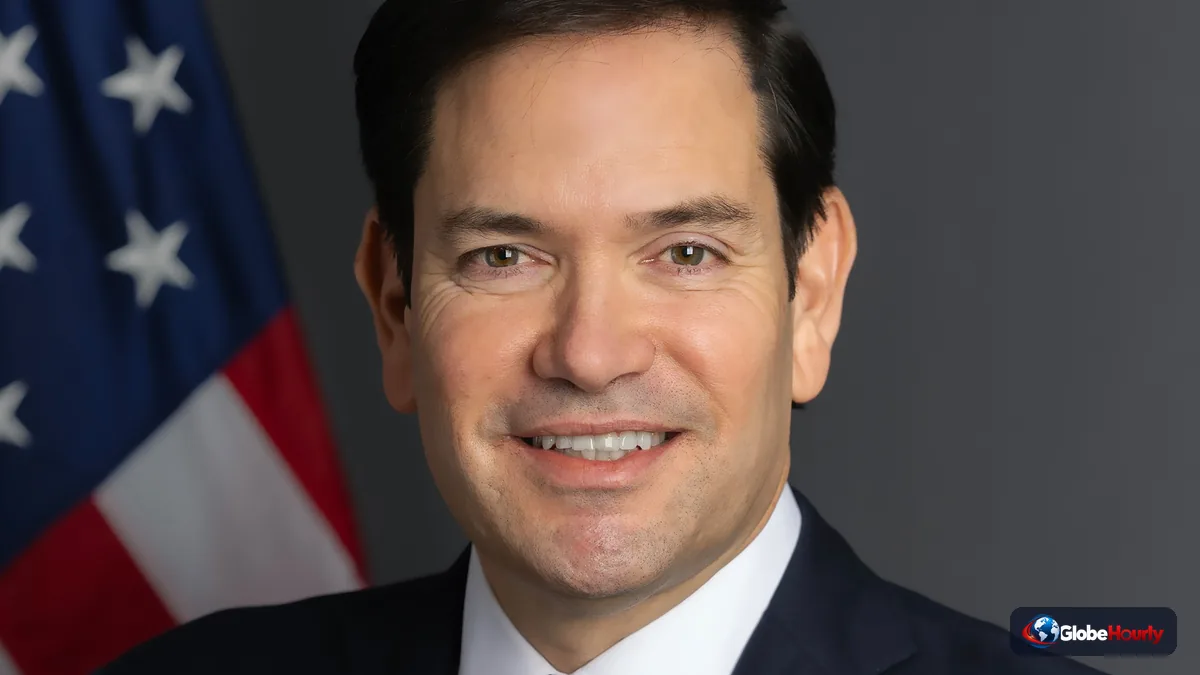
- Marco Rubio said in Atlanta on Saturday that the US has heard Pakistan's concerns and 'if there's a productive role for us to play, we would play it'.
- He acknowledged limited ties with the Taliban and announced no new US step.
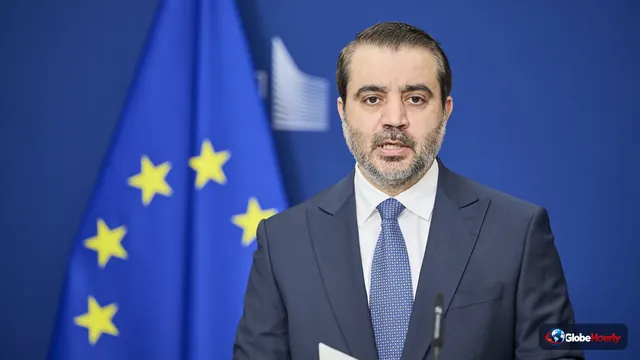
- ISPR chief Lt Gen Ahmed Sharif Chaudhry said the Afghan Taliban cannot absorb the 'punishment' Pakistan can inflict and that harbouring militants will bring a cost.
- Earlier mediation by Qatar, Turkiye, Saudi Arabia and China has not settled the dispute over militants in Afghanistan.
US Secretary of State Marco Rubio said on Saturday that Washington does not want Pakistan to be targeted by terrorism and would help with its dispute with Afghanistan's Taliban rulers "if there's a productive role for us to play". On Sunday, Pakistan's military spokesperson issued a blunter message to Kabul: the Afghan Taliban cannot absorb "the punishment that we can put on them".
Together the two statements show where things stand. Pakistan has American sympathy, but no American commitment.
Exactly what Rubio said in Atlanta
Rubio spoke at the end of the G20 foreign ministers' meeting in Atlanta, answering a question about the conflict that noted Russia had stepped in to mediate.
"Pakistan is concerned about terrorist attacks that are being sponsored from the territory of Afghanistan," he said. "They feel as if the Taliban has not done enough to constrain those attacks, and they've taken action against it. We obviously have heard those concerns on their part. We obviously don't want them to be targeted for terrorism."
He added that the US does not "necessarily have the closest relationship with the Taliban", that it has "seen some of those attacks that they point to", and that "we're against terrorism no matter where it emanates from and who it targets".
Note the wording. Rubio described Pakistan's view as what Pakistan feels. He did not announce pressure on Kabul, a mediation offer or any new assistance. It is political backing, and it closely follows Pakistan's own case, but there is nothing yet to act on.
The ISPR chief's warning, drones included
Lt Gen Ahmed Sharif Chaudhry, director general of Inter-Services Public Relations, made his comments in an interview when asked whether drones in Afghan Taliban hands could become a threat like those seen elsewhere in the region.
"Whatever they want to send, they can; they may try. We have the capability to take them on," he said. He argued that any drone capability the Taliban have is not their own, but supplied by their sponsors, and he named India as the "biggest terror sponsor". India has consistently rejected such accusations.
He said Pakistan was not seeking to isolate Afghanistan and remained engaged with Kabul, but expected the Taliban to "act like a state". His core demand was short: "Stop harbouring the terrorist leaders." If not, he said, "there will be a cost".
Those remarks came on the same day a surveillance drone crashed into the outer wall of the Counter Terrorism Department headquarters in Lahore. Who operated it and why had not been officially established on Sunday.
Mediators have come and gone without a settlement
| Mediator | When | Outcome |
|---|---|---|
| Qatar and Turkiye | October 2025, Doha | Ceasefire brokered |
| Turkiye | November 2025, Istanbul | Follow-up talks collapse |
| Saudi Arabia | Later talks | No lasting settlement |
| China | April 2026, Urumqi | Talks held, core dispute unresolved |
| Russia | Recent | Reported effort to mediate |
Every round has stumbled over the same issue: Pakistan's charge that the banned Tehreek-e-Taliban Pakistan and other groups train and plan on Afghan soil. Kabul denies letting its territory be used against any neighbour, and Pakistan calls those assurances empty. Security officials in Islamabad estimate that up to 70% of militants infiltrating the country are of Afghan origin, a figure that has not been independently verified.
Why this matters inside Pakistan
Militant violence in Khyber Pakhtunkhwa and Balochistan has hit security forces and civilians repeatedly, and border closures have hurt traders on both sides. Pakistan's information ministry called terrorism a "red line" this weekend and reserved the right to act. Pakistan has already carried out strikes inside Afghanistan, as Rubio's phrase "they've taken action against it" acknowledged.
US attention could help Islamabad diplomatically, particularly at a moment when Rubio has said Washington wants more influence with Pakistan. But the same weekend, the US was also preparing to send its first deportation flight of Afghans to Pakistan, a sign of how many other issues sit in that relationship.
No new talks between Islamabad and Kabul have been announced. Pakistan's next steps will depend on whether attacks continue along the border in the coming days.