Trump offers $1 million reward for voter fraud tips a week before midterms
President Donald Trump said he will pay $1 million to anyone whose voter-fraud report leads to an arrest and conviction, a week before the November 3 midterms, without saying where the money would come from. Critics called it a bid to sow doubt about the vote.
At a glance
- President Donald Trump said on social media on Monday, October 26, 2026, that anyone reporting voter fraud in past elections or the coming midterms would be paid $1 million once those responsible are arrested and convicted.
- He gave no details of how the reward would be funded or administered; the White House pointed questions back to his post.
- The offer comes eight days before the November 3 midterm elections, as federal authorities step up voter-fraud prosecutions, including charges against 28 people in California.
- Studies have found voter fraud in the United States to be extremely rare; critics, including local officials, called the campaign voter intimidation.
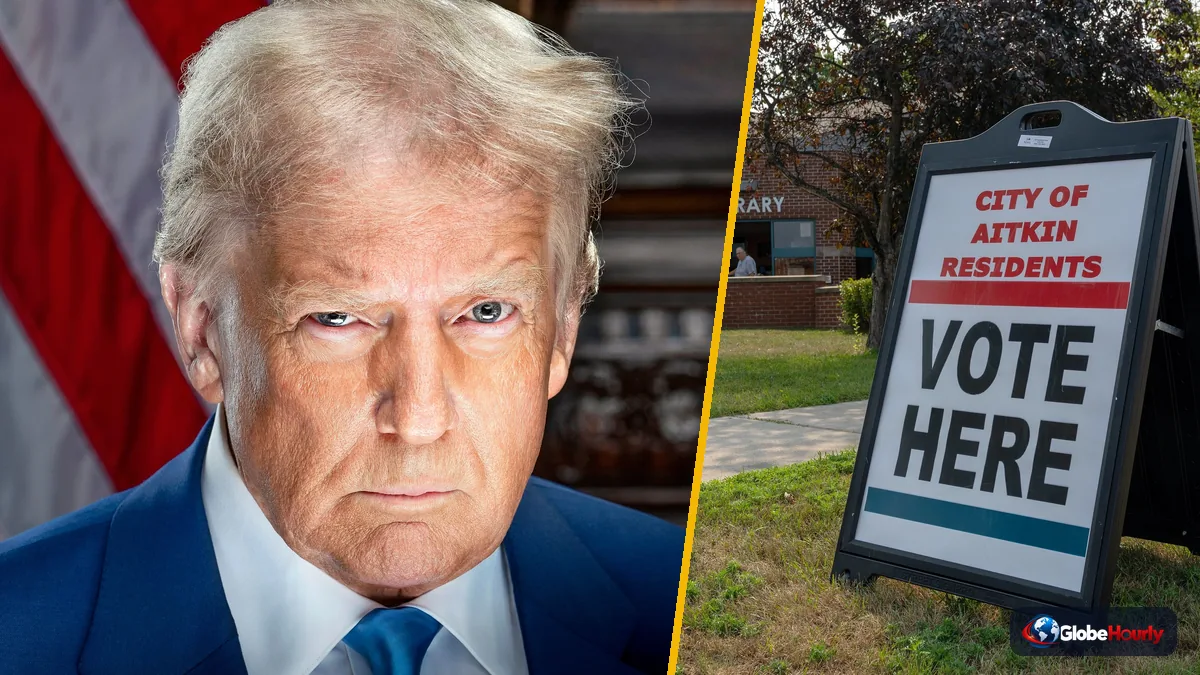
US President Donald Trump said on Monday, October 26, 2026, that he will pay $1 million to anyone who reports voter fraud in past elections or in next week's midterms, once the people responsible have been arrested and convicted. The offer, posted on his social media platform eight days before the November 3 vote, came with no explanation of where the money would come from or how claims would be judged, and critics said it was designed to cast doubt on the election.
The announcement is the latest step in a wider administration campaign against what it calls election fraud, which has included federal prosecutions in California and warnings from federal prosecutors in Texas as early voting began.
What Trump announced
In his post, Trump said anybody reporting voter fraud would receive $1 million upon the "arrest and conviction" of those who committed it. He applied the offer both to the coming midterms and to earlier elections — a reference that critics linked to his long-standing claim, rejected by courts and election officials, that fraud cost him the 2020 presidential election.
Asked how the scheme would work, the White House referred reporters back to the post and gave no further details. It was not clear whether the money would come from public funds, Trump's political organisations or his personal fortune, or which agency would decide whether a tip qualified.
| The offer at a glance | Detail |
|---|---|
| Announced | Monday, October 26, 2026, on social media |
| Amount | $1 million per report |
| Condition | Arrest and conviction of those responsible |
| Elections covered | Past elections and the 2026 midterms |
| Funding source | Not stated |
| Midterm election day | Tuesday, November 3, 2026 |
A wider campaign
The reward follows several earlier promises. Trump has previously announced a $25 million whistleblower programme for election fraud and has pledged $5,000 payments to Americans if Republicans keep control of Congress, again without saying how either would be paid for.
The administration has also been searching state voter rolls for non-citizens. The Justice Department has sued California officials over mail ballots it says were sent to possible non-citizens and has sued Alaska officials in an effort to block certification of the state's Senate race if Republican Senator Dan Sullivan loses. In California, federal prosecutors have charged 28 residents with offences including fraudulent voter registration, in cases going back as far as 2002. The administration first said 190,000 illegal voters were on California's rolls, then revised the figure to about 20,000.
In several states, federal agents have gone door to door asking people about their immigration status and whether they had voted, according to reports. In Texas, a US attorney warned on social media that he would prosecute anyone breaking federal election law. Courts have blocked some of Trump's broader changes to mail voting and proof-of-citizenship rules.
How common is voter fraud?
Isolated cases do occur and are usually caught by existing checks. But research has repeatedly found fraud to be very rare in US elections.
| Measure | Figure |
|---|---|
| Fraud cases of all types in a conservative think tank's database | About 1,600 over roughly 40 years |
| Non-citizen voting cases in that database, 1982–2025 | About 100 |
| Presidential votes cast over the same period | More than 1.3 billion |
| Share of votes those non-citizen cases represent | About 0.000008% |
A University of California, Los Angeles election-law professor said the small number of prosecutions reflects how small the problem is.
Reactions
Critics called the offer a "desperate" move meant to plant doubt about the midterm results before votes are counted. Los Angeles County Supervisor Janice Hahn described the California arrests as voter intimidation and said they were being used to paint a false picture of widespread fraud. The head of Colorado's county clerks' association has also accused the president of spreading false claims about election security.
Supporters of the administration say tougher enforcement protects the integrity of elections. Community groups, meanwhile, have launched volunteer efforts placing clergy, veterans and teachers near polling stations to explain voters' rights and record any intimidation, amid fears among immigrant communities of being questioned on their way to vote.
Why it matters
The midterms will decide control of the House of Representatives and the Senate for the last two years of Trump's term. Large cash rewards and high-profile arrests in the final days of a campaign could discourage some eligible voters, especially naturalised citizens, from voting, and could fuel disputes over results if races are close. For the rest of the world, including Pakistan and South Asia, the vote will shape US policy on trade, tariffs, the war with Iran and aid for the next two years.
What happens next
Early voting is already under way in many states, and election day is Tuesday, November 3. It remains unclear how anyone would claim the reward, who would pay it, and whether a privately promised payment tied to criminal convictions would face legal challenges. Further Justice Department lawsuits and prosecutions are possible before polling day.
Questions people are asking
What did Trump offer for reporting voter fraud?
On October 26, 2026, Donald Trump said he would pay $1 million to anyone who reports voter fraud in past elections or the 2026 midterms, payable on the arrest and conviction of those responsible. He did not say who would pay or how claims would be handled.
When are the 2026 US midterm elections?
The US midterm elections are on Tuesday, November 3, 2026. All 435 House seats, 35 Senate seats and 36 governorships are on the ballot, and early voting has already started in many states.
How common is voter fraud in the United States?
Research consistently finds it is very rare. A conservative think tank's database lists about 1,600 cases of all kinds over roughly 40 years, and only around 100 cases of non-citizen voting between 1982 and 2025, out of more than a billion votes cast.