Judge Chutkan doubts national security case for Trump's 250-foot arch and may rule before November 5 start
Judge Tanya Chutkan questioned why Trump's arch near Arlington cemetery cannot wait months. Veterans want it blocked, and work could start on November 5.
At a glance
- US District Judge Tanya Chutkan appeared skeptical on Friday, October 30, 2026, of the Trump administration's national security argument for a triumphal arch at the edge of Arlington National Cemetery.
- Construction could begin as early as November 5. Chutkan said she will weigh over the weekend whether the Vietnam veterans who sued have standing.
- Declarations from Pete Hegseth and Markwayne Mullin say the 250-foot arch could host air defence, snipers and sensors. The judge called them conclusory.
- The administration itself estimates as many as 22,000 tourists a day at the structure, which alarmed the judge.
A federal judge signalled on Friday, October 30, 2026, that she may halt construction of President Donald Trump's triumphal arch at the edge of Arlington National Cemetery, openly doubting the administration's claim that the monument is needed for national security. Work could begin as early as November 5, and US District Judge Tanya Chutkan said she will rule quickly after weighing the case over the weekend.
"What's the harm to the government to wait 3 or 4 months?" Chutkan asked a lawyer for the administration during the emergency hearing in Washington. She also asked whether the rush was meant to "bedazzle the city".
Air defence on a 250-foot monument: the argument the judge did not buy
Late in the case, the administration filed declarations from Defense Secretary Pete Hegseth and Homeland Security Secretary Markwayne Mullin. They describe the arch as a rare chance to use air defence systems, snipers, munitions, sensors and other military technology from a 250-foot vantage point on the edge of the capital.
Chutkan called the declarations "conclusory", saying they offered no details or documents showing how such plans would work. She noted that the administration used a similar argument for the White House ballroom, and said that invoking national security would not have a "talismanic" effect here.
One detail particularly alarmed her. By the administration's own estimate, as many as 22,000 tourists a day would visit the arch, close to drone equipment and munitions that would also sit "in the path of aircraft".
What the veterans say they would lose
The lead plaintiff, Vietnam veteran Michael Lemmon, testified about his regular trips to the Lincoln Memorial and Arlington to visit the graves of friends he fought alongside. The clear view between the memorial and the cemetery matters to those visits, he said, and he recoiled at the idea of crowds on an observation deck watching solemn burials like "entertainment".
"The pain is real for us veterans," Lemmon told the court.
A Justice Department lawyer countered that "disgust" or aesthetic objections cannot justify an emergency order against a project the administration treats as a high priority. Several other veterans' groups have filed a motion in support of the arch.
The legal question that could decide it: standing
The case may turn less on the arch than on who is entitled to challenge it. The Supreme Court recently allowed work to proceed on the White House ballroom after a preservation group sued. Chutkan said that decision does not rule out a similar lawsuit here, and that the veterans' deep personal ties to the "hallowed ground" gave them a more compelling claim that might satisfy the high court.
She also agreed the question of standing is complex. That is what she will study this weekend, with the plaintiffs asking for a halt by next week.
| Key point | Detail |
|---|---|
| Earliest construction start | November 5, 2026 |
| Judge | Tanya Chutkan, US District Court in Washington |
| Who sued | Vietnam veterans, including lead plaintiff Michael Lemmon |
| Their claim | The project is rushed and lacks approval from Congress |
| Administration's defence | National security; plaintiffs lack standing |
| Tourists expected | Up to 22,000 a day, by the administration's estimate |
More lawsuits, and a separate inquiry over Trump's golf plan
A Chutkan ruling would not end the fight. A county board in Virginia has filed its own suit, and the District of Columbia government may also go to court, according to reports.
Also on Friday, a federal judge ordered an inquiry into whether Justice Department lawyers misled the court in a separate case about Trump's plans for the East Potomac Golf Links, another Washington landmark project now under legal challenge.
The next date to watch is Chutkan's decision, expected before November 5, two days after the midterm elections.
Questions people are asking
Has a judge blocked Trump's arch?
Not yet. Judge Tanya Chutkan held an emergency hearing on October 30, 2026, and said she would rule quickly after weighing whether the veterans who sued have standing. Work could start as soon as November 5.
Where would Trump's arch be built?
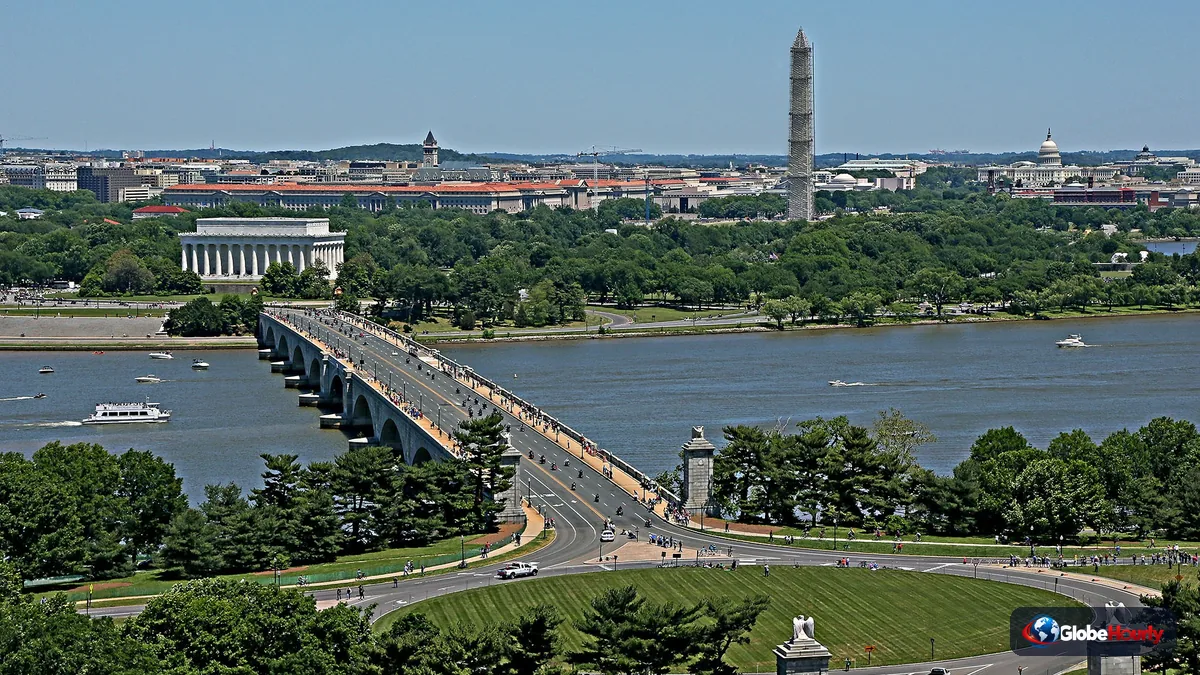
At the foot of Arlington National Cemetery, in the line of sight from the Lincoln Memorial. The administration describes a structure with a 250-foot vantage point and an observation deck.