US approves possible $2.1 billion sale of 500 Patriot PAC-3 missiles to Ukraine, paid for by allies
The US cleared 500 PAC-3 MSE interceptors for Ukraine, funded by Canada, Germany, Norway and an EU loan. Deliveries could still be years away.
At a glance
- The US State Department approved a possible $2.1 billion sale of 500 Patriot PAC-3 MSE interceptors to Ukraine on Friday, October 30, 2026.
- No US money is involved: Canada, Germany and Norway are contributing through the JUMPSTART programme, with Ukrainian funds backed by the EU's Ukraine Support Loan.
- This is a notice to Congress, not a signed contract. Congress generally has 30 days to review it and no delivery date has been given.
- An April 2026 analysis estimated an average of 29 months between ordering PAC-3 MSE missiles and the first deliveries.
The United States approved a possible $2.1 billion sale of 500 Patriot PAC-3 MSE interceptors to Ukraine on Friday, October 30, 2026, a package that would be paid for by allies and not by American taxpayers. It addresses Kyiv's most urgent air-defence gap on paper, but no missile is yet on order and the State Department gave no delivery date.
Ukraine asked for the interceptors along with classified and unclassified spare parts, logistics and programme support. Lockheed Martin is the principal contractor. Washington said the sale would not require more US government or contractor staff in Ukraine and would not harm American defence readiness.
Canada, Germany and Norway are paying
The bill would be split between contributions from Canada, Germany and Norway under the US JUMPSTART programme and Ukrainian funds backed by the European Union's Ukraine Support Loan. The State Department said no US funding is involved.
| Detail | What was announced |
|---|---|
| Missiles | 500 Patriot PAC-3 MSE interceptors |
| Estimated value | $2.1 billion |
| Funding | Canada, Germany, Norway, plus EU-backed Ukrainian funds |
| US money | None, the State Department says |
| Principal contractor | Lockheed Martin |
| Stage | Notified to Congress; no contract signed |
| Delivery | No date given |
Why approval is not the same as delivery
The announcement is a step in the formal process for foreign military sales. Congress generally has 30 calendar days to review a proposed deal, and a final Letter of Offer and Acceptance cannot be issued before that period ends. Only then does the actual contracting begin.
After that comes the production queue, and demand for these missiles is intense. An April 2026 analysis by the Center for Strategic and International Studies estimated an average of 29 months between ordering PAC-3 MSE missiles and the first deliveries. On that schedule, the first shipments would land in 2027 or 2028, though that depends on where Ukraine's order sits in the line and has not been confirmed.
President Volodymyr Zelensky has pressed Washington to move faster. He said Ukraine had waited nearly a month for approval, and he has now called on the United States to speed up the transfer.
What the shortage has meant on the ground
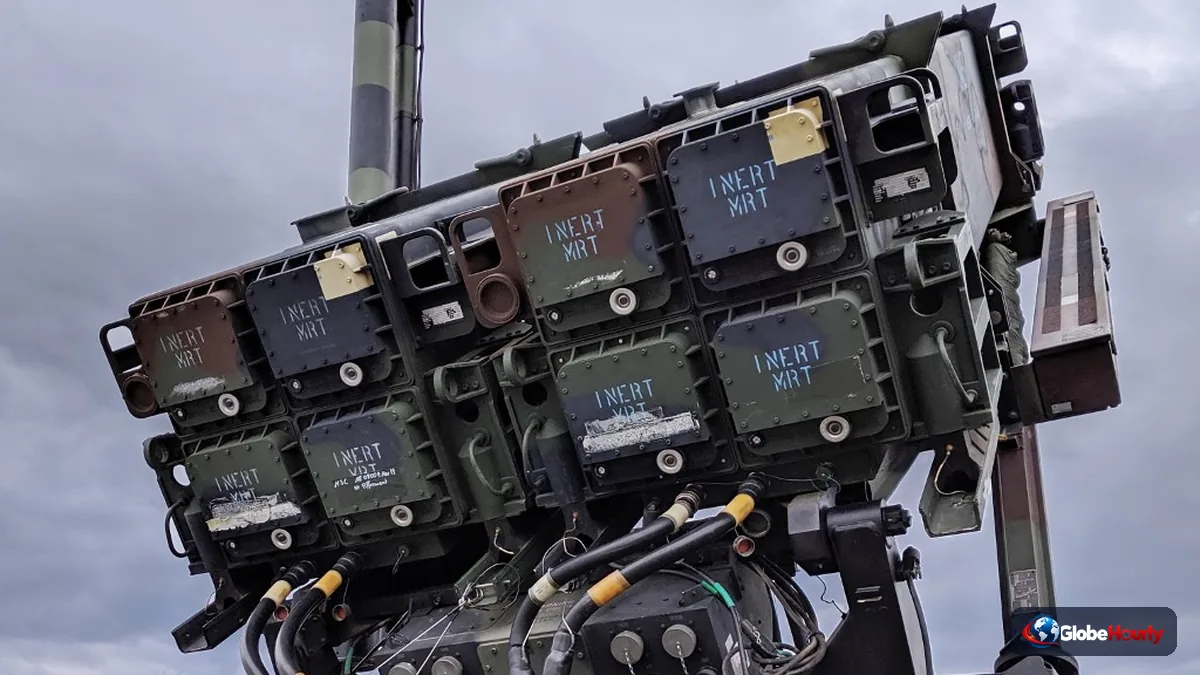
The PAC-3 MSE destroys ballistic missiles, cruise missiles and aircraft by direct impact, and it is one of the few weapons Ukraine has that can reliably stop Russian ballistic missiles. Supplies have run very low. Most available PAC-2 and PAC-3 stocks were sent to the Middle East for an extended period during the Iran war, which has created heavy demand for the same interceptors.
By mid-October Ukraine had reportedly exhausted its available interceptors, and almost all ballistic missiles in one recent Russian strike got through. Small batches continue to arrive through the Prioritized Ukraine Requirements List, under which European partners pay for US-made weapons, along with limited supplies from other countries.
The diplomatic backdrop in Atlanta
The approval came as G20 foreign ministers met in Atlanta, where European objections to Russia's presence led to the group photo being scrapped. Russian Foreign Minister Sergei Lavrov said Moscow's position was unchanged and described Zelensky's recent comments as unhelpful.
Congress now has the notification. The next concrete marker is the end of the review period, about 30 days from now, followed by any contract announcement and the first word on a delivery schedule.
Questions people are asking
When will Ukraine get the 500 Patriot missiles?
No date has been announced. The approval starts a congressional review of about 30 days, and a contract must follow. Past estimates of about 29 months from order to first delivery suggest 2027 or later unless the order is moved up the queue.
Who is paying for the Patriot missiles for Ukraine?
Canada, Germany and Norway are contributing through the US JUMPSTART programme, alongside Ukrainian funds backed by the EU's Ukraine Support Loan. The State Department says no US funding is involved.