Halloween protests: France deploys 70,000 police as Germany's Gen Z marches sign up more than 160,000
France calls October 31 a very high risk day and bars most marches from city centres, while more than 160,000 sign up for youth rallies across Germany.
At a glance
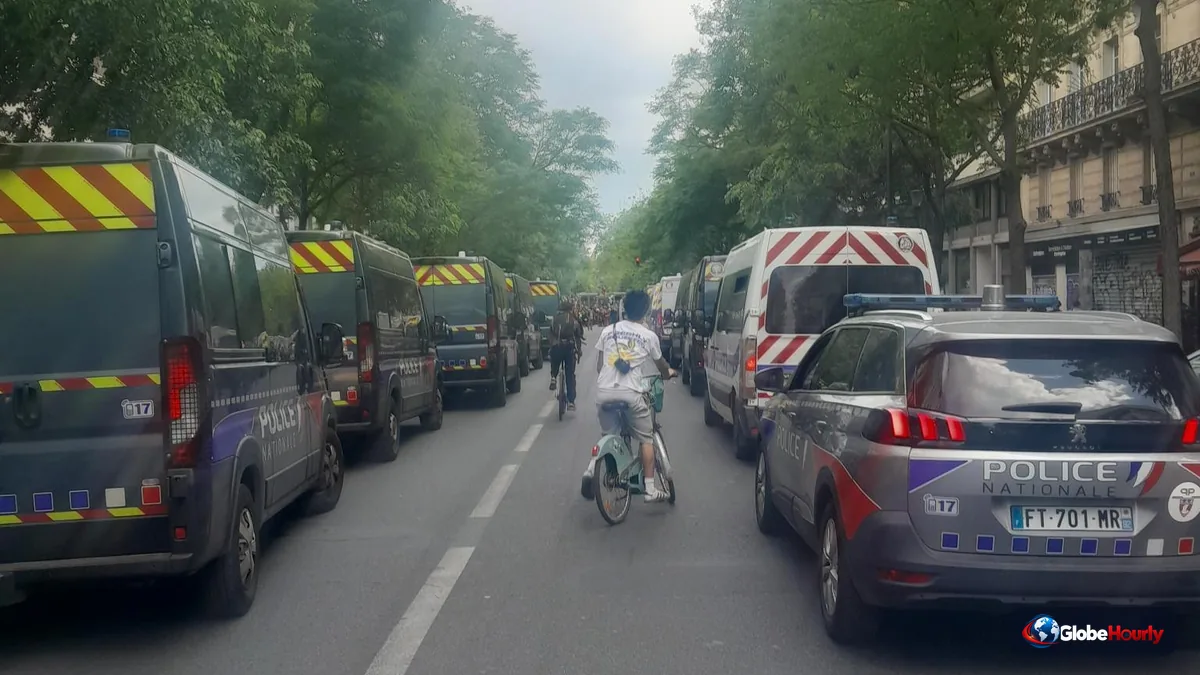
- France will deploy 70,000 police and gendarmes on Saturday, October 31, 2026. Interior Minister Laurent Nunez calls the day a very high risk of public disorder.
- Most French marches are barred from city centres; in Paris two central routes were banned and one march was allowed in the far south-east. Organisers are challenging that decision.
- In Germany, the youth alliance Gen Z regelt says more than 160,000 people have registered for rallies in more than 30 cities. Berlin police are adding 1,500 officers.
- Barcelona police are on alert after online calls for a new gathering, a week after unrest that saw 130 arrests across the weekend.
- France has a nationwide strike called for November 5.
France is putting 70,000 police and gendarmes on the streets on Saturday, October 31, 2026, and has barred most protest marches from city centres, as a youth-led revolt over living costs returns for a Halloween day of action. In Germany, where the movement is arriving on a large scale for the first time, more than 160,000 people have signed up to march.
Interior Minister Laurent Nunez said the day "presents a very high risk of public disorder". His main worry is not the daytime marches. He said radical far-left groups and some Yellow Vest networks had used social media to call for gatherings after about 8 pm, when mainstream demonstrations are due to have ended, and promised an "extremely firm" response.
Where the marches are allowed in France
Peaceful demonstrations can go ahead, but most will not be permitted in city centres where officials see a risk of disorder. In Paris, two marches planned through the centre were banned and police authorised a single march in the far south-east of the capital. Organisers are challenging that decision.
The deployment matches last weekend's. The interior ministry counted 410,000 marchers across France that Saturday and credits the police presence with preventing a repeat of the looting and vandalism that hit several cities on October 17. Unions and Yellow Vest groups have joined the school and university students who started the movement last month, and a nationwide strike has been called for November 5.
Germany's first big test: rallies in more than 30 cities
The German alliance Gen Z regelt has called demonstrations in more than 30 cities, up from 23 earlier in the week. Those are sign-ups on the group's own website rather than a police estimate, and actual turnout may differ. Its demands include more money for schools, climate action and housing, and an end to plans for mandatory military service.
| City | What to expect |
|---|---|
| Berlin | About 10,000 at the Brandenburg Gate; 1,500 extra police |
| Stuttgart | More than 11,000 registered earlier in the week |
| Erfurt | Nearly 10,000 registered earlier in the week |
| Bonn | Nearly 6,500 registered earlier in the week |
| Cologne, Frankfurt, Hamburg, Munich | Rallies organised directly by Gen Z regelt |
The alliance has asked marchers to show restraint and says violence goes against its aims. Berlin police chief Barbara Slowik Meisel said there was no concrete evidence of coordinated looting plans. Politicians are divided on the tone: a Christian Democrat domestic policy expert warned that the protests could be hijacked by left-wing extremists, while the Greens' parliamentary leader said young people have a right to protest peacefully for their future. Germany's federal pupils' conference is staying out, citing an unclear organisational structure, and plans its own Berlin protest on November 20.
Why Barcelona is also on alert
Spain's concern is different. On October 24, more than 600 young people gathered in central Barcelona after a social media campaign under the name Blocus. Authorities said at least 23 businesses were looted or vandalised and firefighters dealt with 33 small fires. In all, 130 people were arrested over the weekend, 76 of them minors, and about 20 more were held after trouble in Bilbao on the Monday.
Catalan police believe that violence was coordinated, but they have ruled out a political or ideological motive. A Telegram group has told followers to come back on October 31 in black clothes and Halloween masks to avoid being identified. A Spanish digital intelligence firm has also flagged planned gatherings on November 2 and November 30, the day after Spain's general election.
If you are in or travelling to these cities
- Expect road closures and heavy policing around protest routes, particularly in French cities during the evening.
- The French government sees the highest risk after 8 pm, so late-night gatherings are the ones to avoid.
- In Germany, the organisers describe the marches as peaceful rallies, and sign-ups point to some of the largest crowds in Stuttgart, Erfurt and Berlin.
- Travellers to France should also check plans for November 5, the date of the nationwide strike.
Questions people are asking
Why are people protesting in Europe on Halloween?
Marchers in France and Germany are protesting over low wages, living costs and public services such as schools and housing. In Germany the organisers also oppose plans to bring back mandatory military service.
Is it safe to travel to Paris on October 31?
Marches are legal but mostly kept out of city centres, and the French government expects the greatest risk after 8 pm, once the main demonstrations end. Visitors should expect heavy policing and avoid protest routes and late gatherings.