Audi to build $4 billion Georgia factory, its first US plant, 4,500 jobs
Volkswagen's premium brand plans a plant near Macon, Georgia, to build 200,000 SUVs a year from the early 2030s, as tariffs on imported cars squeeze its profits.
At a glance
- Audi plans to invest about $4 billion in its first US assembly plant, near Macon, Georgia, creating about 4,500 jobs.
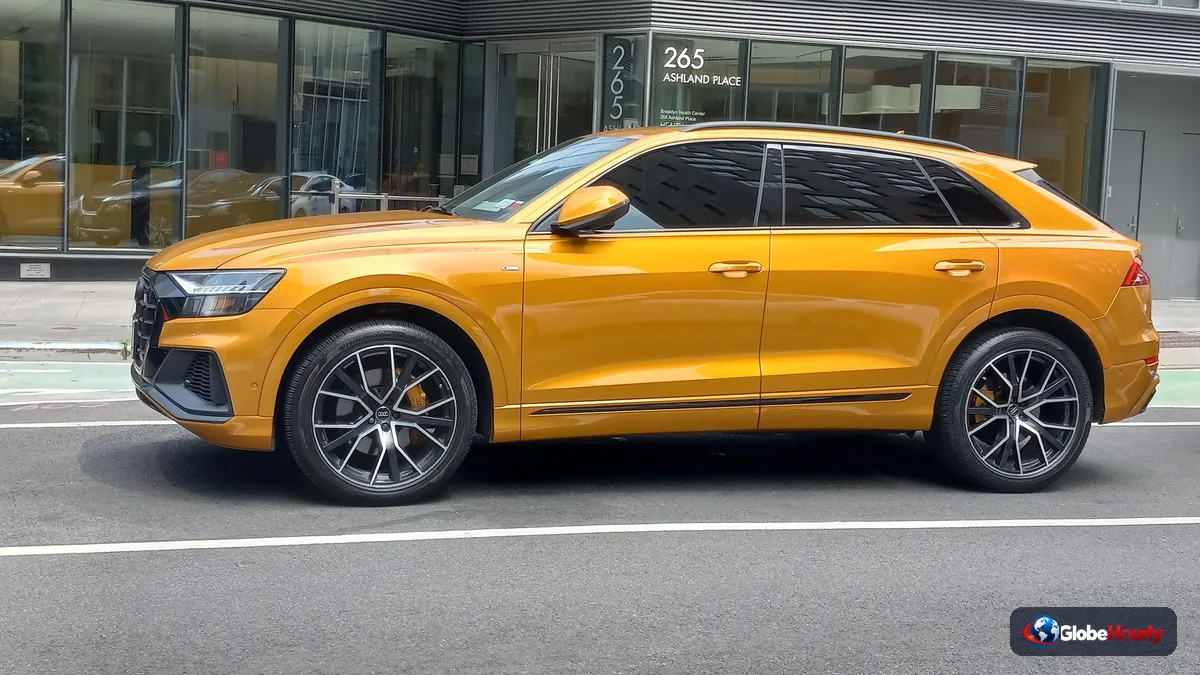
- The plant is designed to build up to 200,000 premium SUVs a year, including the Q7, Q8 and the coming Q9.
- Construction is planned to start in 2027 and production in the early 2030s; Volkswagen's supervisory board still has to give final approval.
- President Donald Trump announced the project at a rally in Perry, Georgia, on Saturday, October 24, with Audi chief executive Gernot Döllner beside him.
- Audi says US tariffs cost it about €1.2 billion last year because it imports every car it sells in the US from Europe or Mexico.
Audi, the premium brand of Germany's Volkswagen Group, plans to build its first factory in the United States, a roughly $4 billion plant near Macon, Georgia, that would make up to 200,000 SUVs a year and employ about 4,500 people. President Donald Trump announced the project at a campaign rally in Perry, Georgia, on Saturday, October 24, 2026, with Audi chief executive Gernot Döllner on stage beside him.
What was announced
Audi says the plant will focus on large premium SUVs. A US official said it is expected to assemble the Q7, Q8 and the upcoming Q9. Some production now based in Bratislava, Slovakia, is expected to move to the new site.
| Detail | Audi Georgia plant |
|---|---|
| Location | Near Macon, central Georgia |
| Investment | About $4 billion (Trump cited $4.2 billion) |
| Jobs | About 4,500 |
| Capacity | Up to 200,000 vehicles a year |
| Models | Q7, Q8 and the coming Q9 SUVs |
| Construction start | 2027, according to Audi |
| Production start | Early 2030s |
| Final approval | Volkswagen supervisory board, still pending |
The figures and dates differ slightly depending on who is speaking. Audi puts the investment at about $4 billion and says construction will begin next year; Trump spoke of $4.2 billion and said full-scale work would start next month. GlobeHourly uses the company's own figures.
Volkswagen also plans to raise output at the $2 billion Scout Motors plant under construction in Blythewood, South Carolina, by 25,000 vehicles a year, with some of those cars built for export.
Background: tariffs and a tough year
Audi has never built cars in the US. Every vehicle it sells there is imported from Europe or Mexico, which has left it badly exposed to the tariffs the Trump administration has placed on cars, parts, steel and aluminium. The company says these duties cost it about €1.2 billion ($1.4 billion) last year. EU-built cars currently face a 15% US tariff, and Volkswagen has estimated that tariffs could cost the group up to €5 billion a year.
The pressure shows in the numbers. Audi's operating profit fell 14% to €3.4 billion last year, and its US sales were down about 16% through September 2026. Volkswagen is at the same time cutting tens of thousands of jobs worldwide, about half of them in Germany, as it tries to reduce costs. The group already makes cars in Chattanooga, Tennessee, but none of them are Audis.
Reactions
"This is a long-term investment because we believe in the American market," Döllner said. He said the decision followed "many months of careful planning and intense negotiations", but declined to say whether the deal includes any tariff relief. Volkswagen chief executive Oliver Blume said the group sees North America as a key market for profitable growth.
Trump presented the plant as proof that his tariffs are bringing manufacturing back to the US, and said he had "many other announcements" to make on the economy. The rally came nine days before the November 3 midterm elections, in a state with close Senate and governor's races.
In Germany the reaction was more cautious. The IG Metall union said it found it "hard to understand" that Döllner appeared at a campaign event. Its leader, Christiane Benner, who is also deputy chair of Volkswagen's supervisory board, said a stronger US position was "right and necessary" but that workers at every site, especially in Germany, needed clear prospects. Lower Saxony premier Olaf Lies, whose state is Volkswagen's second-largest shareholder, said growth in America must not replace jobs at home.
Why it matters
For Georgia, the plant would add to a fast-growing car industry that already includes Hyundai's electric vehicle complex near Savannah and Kia's factory in West Point. Thousands of supplier jobs usually follow an assembly plant of this size.
For the wider car industry, it is another sign that tariffs are pushing foreign brands to build where they sell. That can mean fewer European exports and pressure on jobs in Germany and Slovakia. For buyers, prices for imported luxury SUVs are unlikely to fall soon, because production in Georgia is still years away.
What happens next
Volkswagen's supervisory board must formally approve the investment. Audi plans to start construction in 2027 and begin production in the early 2030s. Talks between the company and the US government on tariffs are expected to continue, and Trump has said more company announcements are coming before the midterm vote on November 3.
Questions people are asking
Where will Audi build its US factory?
Audi plans to build its first US assembly plant near Macon in central Georgia. It was announced at a rally in nearby Perry on October 24, 2026.
How many jobs will the Audi Georgia plant create?
Audi says the roughly $4 billion plant will create about 4,500 jobs and be able to build up to 200,000 SUVs a year once it is running in the early 2030s.
Why is Audi building a factory in the United States?
Audi has no US plant and imports all its US cars from Europe and Mexico, so tariffs cost it about €1.2 billion last year. Building SUVs locally avoids those import duties and brings production closer to one of its key markets.