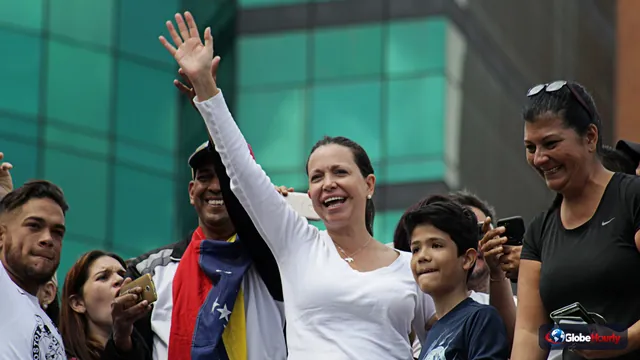
Lula wins Brazil runoff with 51.75%, beats Flávio Bolsonaro for fourth term
President Lula came from behind to beat Senator Flávio Bolsonaro 51.75% to 48.25% in Sunday's runoff, winning a record fourth term. He is the first first-round runner-up to win a Brazilian runoff since 1985.
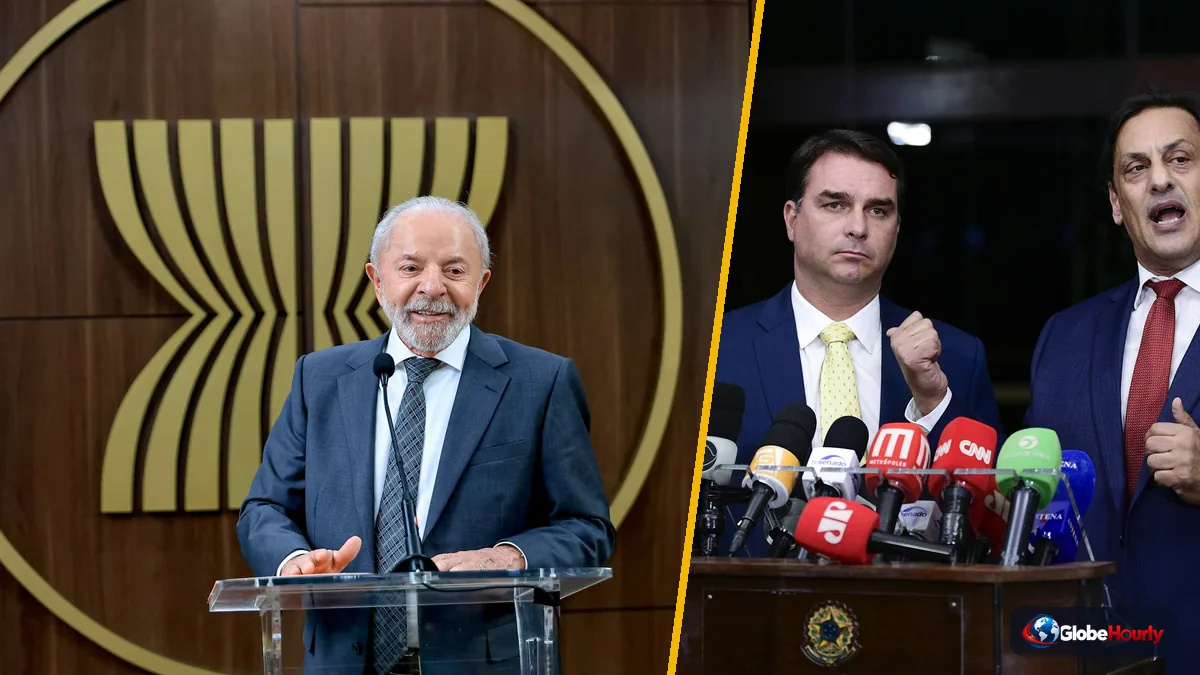
At a glance
- Luiz Inácio Lula da Silva won Brazil's presidential runoff on Sunday, October 25, with 51.75% of valid votes to 48.25% for Flávio Bolsonaro, with 99.3% of polling stations counted.
- Lula received about 63.77 million votes and Bolsonaro about 59.46 million — a gap of more than 4.3 million that the remaining ballots cannot close.
- Bolsonaro won the first round on October 4 with 47.03%; Lula is the first first-round runner-up to win a runoff since Brazil returned to democracy in 1985.
- Voting was extended by two hours in places where it had not finished by 5pm, after a court order; turnout was 80.8%.
- Lula, who turns 81 on Tuesday, begins his fourth term on January 5, 2027.
President Luiz Inácio Lula da Silva has won Brazil's presidential runoff, beating right-wing Senator Flávio Bolsonaro by 51.75% to 48.25% of valid votes on Sunday, October 25, according to the Superior Electoral Court (TSE) count with 99.3% of polling stations reported. The result gives the 80-year-old leftist a record fourth term and completes a comeback: Bolsonaro, the eldest son of jailed former president Jair Bolsonaro, had won the first round three weeks ago and led the final polls.
The result
| Candidate | Party | Valid votes (99.3% counted) | Share |
|---|---|---|---|
| Luiz Inácio Lula da Silva | Workers' Party (PT) | 63,771,027 | 51.75% |
| Flávio Bolsonaro | Liberal Party (PL) | 59,463,756 | 48.25% |
| Turnout | 80.80% |
The gap of more than 4.3 million votes is larger than the number of ballots still to be counted, so the outcome cannot change. Lula takes office for the new term on January 5, 2027, the new inauguration date set by a 2021 constitutional amendment.
A night of swings
Brazil votes electronically, so results arrived quickly after polls closed — and the lead changed hands several times.
| Share of polling stations counted | Leader | Margin |
|---|---|---|
| 5% | Lula | 51.16% |
| 13–20% | Flávio Bolsonaro | 50.41% to 49.59% at 20% |
| 37% | Flávio Bolsonaro | 50.30% to 49.70% |
| 50% | Lula | 50.14% to 49.86% |
| 70% | Lula | 50.92% to 49.08% |
| 99.3% | Lula | 51.75% to 48.25% |
The gap stayed under one percentage point for most of the night before Lula's lead widened in the final stretch of the count. Pollster AtlasIntel's chief executive predicted a Lula win even while he was still trailing.
A disputed election day
Election day itself was tense. Supreme Court Justice Cristiano Zanin, acting for the electoral court, granted a request by Lula's campaign to extend voting by two hours, to 7pm Brasília time, in places where voting had not been concluded by the normal 5pm close. The court said the election would continue "only in the locations" where voting was still unfinished. Bolsonaro's campaign asked for a similar extension in 17 municipalities in São Paulo, Paraná and Santa Catarina.
In Bahia, an electoral judge ordered the arrest of Salvador's municipal mobility secretary after at least 75 public buses were kept in their garages, a move Lula's allies said was meant to stop voters reaching polling stations. Both sides traded accusations of voter suppression during the day.
Background
Bolsonaro won the first round on October 4 with 47.03% of valid votes to Lula's 45.16%. Final Datafolha and Quaest polls published on Saturday put him ahead 51% to 49%, a statistical tie. No candidate who finished second in the first round had ever gone on to win a runoff since Brazil returned to democracy in 1985 — until Sunday.
Lula first governed from 2003 to 2010, was jailed on corruption convictions that were later annulled, and returned to power by narrowly beating Jair Bolsonaro in 2022 with 50.9% of the vote. Jair Bolsonaro is barred from running and is serving a 27-year sentence linked to efforts to overturn that election, so his son Flávio led the right's challenge. Lula had called this campaign his "final battle"; he turns 81 on Tuesday, October 27.
Reactions
Lula's allies began claiming victory on social media once he retook the lead at the halfway mark. On election day Lula wrote that "no dream is too big when we walk together", while Bolsonaro had promised to "send Lula into retirement" and, before the result, said that if it was the will of God and the people, Brazilians should "build bridges, not walls". At the time of writing Bolsonaro had not publicly conceded.
US President Donald Trump declined to back either candidate before the vote, telling reporters he did not want to get involved and that Washington was "watching".
Why it matters
Brazil is Latin America's largest economy and its biggest democracy, with more than 155 million registered voters. A fourth Lula term means continuity in a government that has expanded social programmes, pushed to cut Amazon deforestation and taken an independent line in foreign policy, including within the BRICS group alongside China, India, Russia and South Africa. Investors had been pricing in a possible Bolsonaro win, so Brazilian assets such as the real and the São Paulo stock market are likely to move when trading opens on Monday.
For South Asia, Brazil is a key BRICS partner for India and a growing trade partner for Pakistan in sugar, soybeans, meat and textiles; Lula's re-election keeps Brasília's current approach to the Global South in place.
The narrow, bitter result also leaves Brazil deeply divided. Lula will face a Congress where the right holds a strong position, which will make passing budgets and reforms harder.
What happens next
- Monday, October 26: the TSE is expected to complete the count; markets react.
- Coming days: attention on whether Flávio Bolsonaro accepts the result and on any legal challenges over the extended voting hours.
- December: the electoral court formally certifies the winners.
- January 5, 2027: Lula is sworn in for his fourth term; governors take office on January 6.
Questions people are asking
Who won the Brazil election 2026?
President Luiz Inácio Lula da Silva won the October 25 runoff with 51.75% of valid votes against 48.25% for Senator Flávio Bolsonaro, according to the Superior Electoral Court's count with 99.3% of polling stations reported.
When does Lula's new term start?
Lula's fourth term begins on January 5, 2027. Under a 2021 constitutional change, Brazil's president now takes office on January 5 instead of January 1, and state governors on January 6.
How many votes did Lula and Flávio Bolsonaro get?
With 99.3% counted, Lula had about 63.77 million votes and Flávio Bolsonaro about 59.46 million, a margin of more than 4.3 million votes. Turnout was 80.8%.