Congo Ebola outbreak passes 10,000 confirmed cases, 4,887 deaths
The Bundibugyo Ebola outbreak in the Democratic Republic of the Congo has crossed 10,000 confirmed cases, with nearly half of patients dying and no approved vaccine, as cases spread to Kenya and Nigeria.
At a glance
- Congo has recorded 10,060 confirmed Ebola cases and 4,887 deaths since the outbreak was declared on May 15, 2026, according to government data released on Tuesday, October 27.
- The outbreak is caused by the Bundibugyo virus, for which there is no approved vaccine or specific treatment; about 48% of confirmed patients have died.
- Ituri province is the epicentre with more than 7,000 cases; eight provinces and 66 health zones are affected.
- Kenya has nine confirmed cases and two deaths, and Nigeria one imported case; Uganda's outbreak has been declared over.
- A Phase 2/3 vaccine trial called TUMAINI began enrolling volunteers in Bunia on October 23.
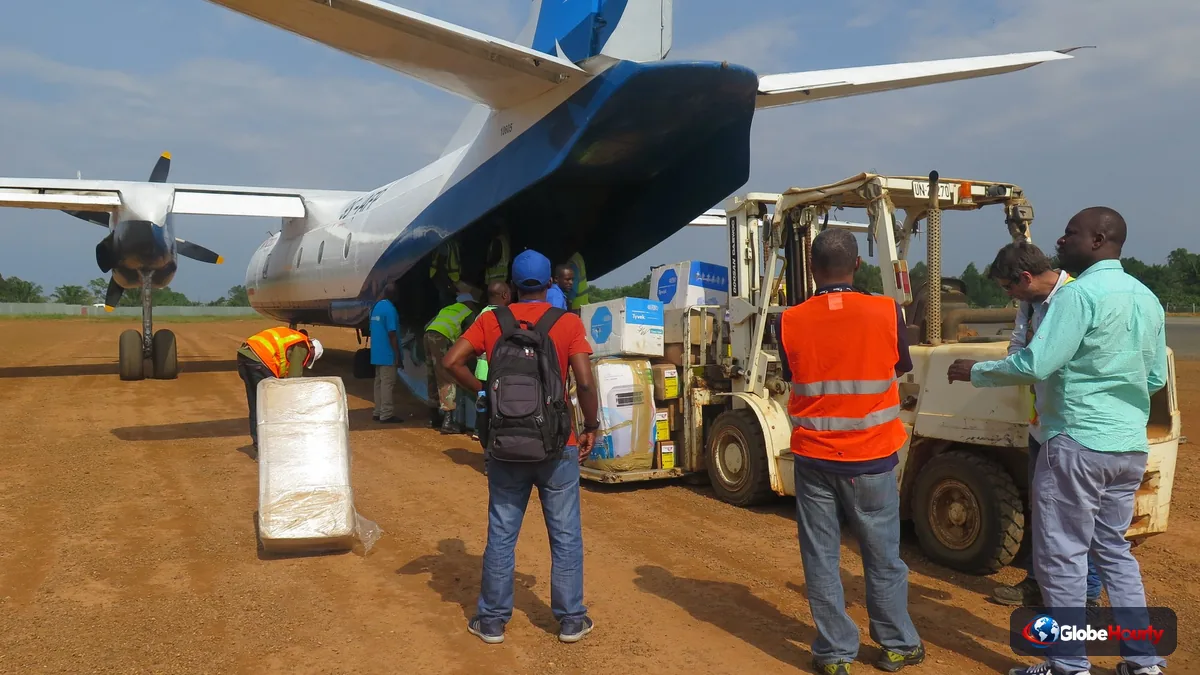
The Ebola outbreak in the Democratic Republic of the Congo has passed 10,000 confirmed cases. Government data released on Tuesday, October 27, 2026, counted 10,060 confirmed infections and 4,887 deaths since the outbreak was declared on May 15. The outbreak is caused by the Bundibugyo strain of the virus, which has no approved vaccine or treatment. It is still spreading in the east of the country, and imported cases have now reached Kenya and Nigeria.
The numbers
Health authorities say transmission remains high. The European Centre for Disease Prevention and Control (ECDC) published the same figures on October 27, using data up to October 25. Just a week earlier, the World Health Organization's count stood at 9,704 cases. That means more than 350 new confirmed infections in about five days.
| Measure | Latest figure |
|---|---|
| Confirmed cases in Congo | 10,060 |
| Deaths in Congo | 4,887 |
| Case fatality rate (WHO, Oct 20) | 48.3% |
| Recoveries (WHO, Oct 20) | 2,595 |
| Provinces affected | 8 |
| Health zones affected | 66 |
| Contacts under follow-up (WHO, Oct 20) | 30,130 |
The WHO's latest provincial breakdown shows how concentrated the epidemic is in the northeast:
| Province | Cases | Deaths |
|---|---|---|
| Ituri | 7,040 | 3,271 |
| North Kivu | 2,146 | 1,199 |
| Haut-Uélé | 421 | 183 |
| Tshopo | 76 | 27 |
Bas-Uélé, South Kivu, Sud-Ubangi and Nord-Ubangi have also reported cases. The WHO said the Mandima, Beni and Bunia health zones had the most cases and deaths in the past three weeks. Fifty of the 66 affected zones reported new cases during that time.
Outside Congo
Kenya has nine confirmed cases and two deaths, all linked to one cluster. Four of the infected people are health or care workers, and the most recent case was reported on October 20. Kenyan authorities have quarantined 135 contacts and screened more than 700,000 travellers at points of entry.
Nigeria confirmed one imported case in Abuja on October 20. The patient had travelled to Uganda and was later medically evacuated to Switzerland, and 44 contacts are being followed. ECDC said it sent three experts to Nigeria from October 26.
Uganda, which recorded 20 cases and two deaths earlier in the outbreak, was declared Ebola-free in August. In Europe, France reported one case in July, and several health and aid workers have been evacuated to Germany, the Netherlands and the UK for care.
Background
Bundibugyo virus is one of the rarer Ebola species. Its last large outbreaks, in Uganda in 2007 and Congo in 2012, were much smaller than this one. Unlike the Zaire strain behind the 2018–2020 Congo epidemic, it has no licensed vaccine. Vaccines against the Zaire strain do not protect against it.
The epicentre in Ituri and North Kivu is also one of the world's most insecure regions. Armed groups and displacement make it hard to trace contacts, isolate patients and hold safe burials. Earlier this month a nurse was killed in an attack in Tshopo province. The WHO says many deaths still happen at home in the community, not in treatment centres. That suggests many patients are found too late.
Congo is fighting other outbreaks at the same time. The WHO has recorded more than 51,000 suspected cholera cases and nearly 1,500 deaths in 21 provinces since January.
Response and reactions
The WHO rates the risk as very high inside Congo, high for neighbouring countries and low globally. It advises against travel or trade restrictions. It has warned that only about 80% of contacts are being followed up, against a target of 95%, and that donor funding gaps are slowing the response.
There is some hope. On October 23, the TUMAINI trial, a Phase 2/3 study of candidate Bundibugyo vaccines supported by the WHO, enrolled its first volunteers in Bunia. A separate trial of possible treatments is also planned.
Why it matters
Ebola has killed almost one in two confirmed patients in this outbreak. Every new province and border crossing makes it harder to control. Cases in Kenya and Nigeria, two of Africa's largest economies and busiest air hubs, show how far the virus can travel. Health officials say the risk to travellers is still low. Countries in South Asia and the Gulf with large numbers of workers and peacekeepers in Central and East Africa, including Pakistan, continue to screen arrivals from affected areas.
What happens next
The WHO is revising its risk assessment to reflect the spread to Kenya and Nigeria, and it publishes a fresh outbreak report about every two weeks. Kenya's outbreak can be declared over 42 days after its last case if no new infections appear. Early results from the vaccine trial are not expected for several months. Until then, the response depends on finding cases early, tracing contacts and safe burials.
Questions people are asking
How many Ebola cases are there in Congo in 2026?
As of October 25–26, 2026, the Democratic Republic of the Congo had reported 10,060 confirmed Ebola cases and 4,887 deaths, making it one of the largest Ebola outbreaks ever recorded.
Is there a vaccine for the Bundibugyo Ebola virus?
No vaccine or specific treatment is approved for Bundibugyo virus. Candidate vaccines are being tested in the TUMAINI Phase 2/3 trial, which started enrolling volunteers in Bunia, eastern Congo, on October 23, 2026.
Which countries have Ebola cases in 2026?
Congo is the centre of the outbreak. Kenya has nine confirmed cases and two deaths, Nigeria has one imported case, France reported one case in July, and Uganda's outbreak has ended.