International Criminal Court wins the EU's 2026 Sakharov Prize amid US sanctions
The European Parliament gave its top human rights award to the International Criminal Court and its officials, weeks after the US sanctioned the court as an institution.
At a glance
- European Parliament President Roberta Metsola announced in Strasbourg on Thursday, October 22, that the International Criminal Court (ICC) and its officials have won the 2026 Sakharov Prize for Freedom of Thought.
- The other finalists were jailed Tanzanian opposition leader Tundu Lissu and Iranian twins Taraneh and Romina Rahimi, imprisoned over anti-government protests.
- The award comes less than two weeks after the US imposed sanctions on the ICC as an institution and after former ICC judge Navi Pillay won the 2026 Nobel Peace Prize.
- ICC President Tomoko Akane said the prize matters more because the court faces 'unprecedented challenges'; the award, worth €50,000, is presented in Strasbourg in December.
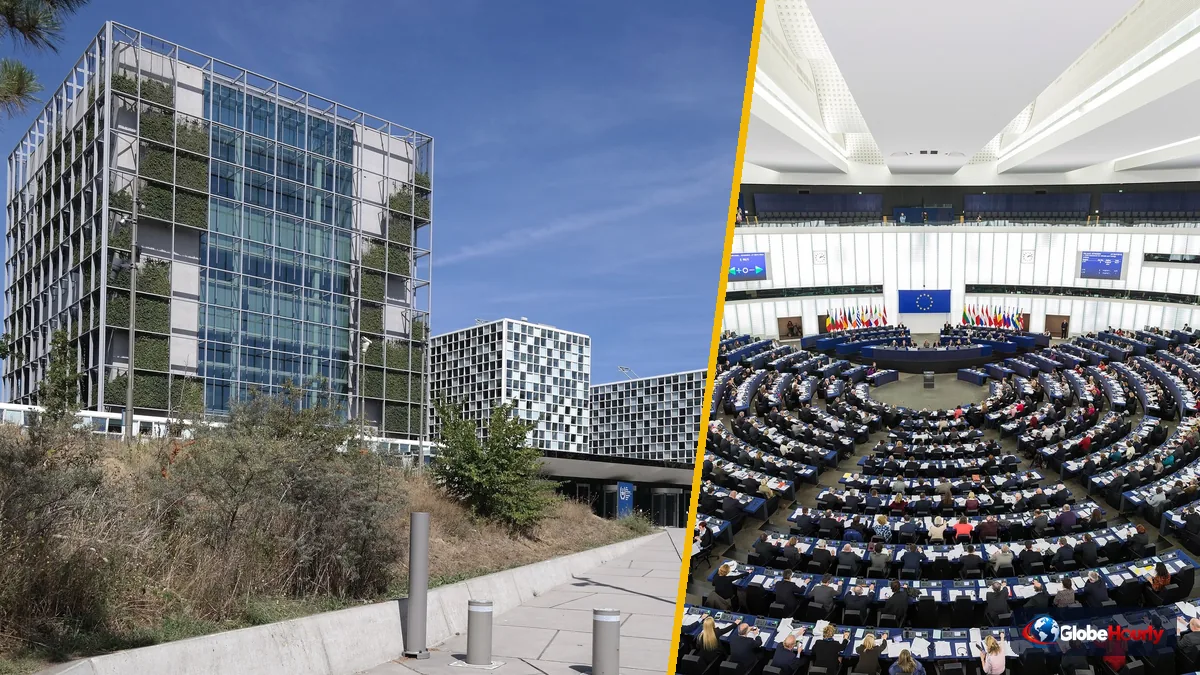
The International Criminal Court (ICC) and its officials have won the European Union's 2026 Sakharov Prize for Freedom of Thought, the bloc's top human rights award. European Parliament President Roberta Metsola announced the decision in Strasbourg on Thursday, October 22, to a standing ovation — a clear show of support for a court that the United States sanctioned as an institution earlier this month.
What happened
Metsola told lawmakers that the EU "is built on respect for multilateralism and international institutions", and that the prize recognises the court's work in upholding international law and justice. The winner was chosen by the Parliament's Conference of Presidents — Metsola and the leaders of the political groups — from a shortlist put forward by MEPs. The nomination for the court came from the Socialists and Democrats group.
| Item | Detail |
|---|---|
| Prize | Sakharov Prize for Freedom of Thought 2026 |
| Winner | International Criminal Court and its officials |
| Announced | October 22, 2026, Strasbourg, by Roberta Metsola |
| Other finalists | Tundu Lissu (Tanzania); Taraneh and Romina Rahimi (Iran) |
| Prize money | €50,000 |
| Ceremony | December 2026, European Parliament, Strasbourg |
The two other finalists were Tundu Lissu, the Tanzanian opposition leader who is in prison, and Taraneh and Romina Rahimi, twin sisters jailed in Iran for taking part in anti-government demonstrations.
Background
The ICC, based in The Hague in the Netherlands, opened in 2002 as a court of last resort. It can prosecute individuals — including serving leaders — for genocide, war crimes, crimes against humanity and the crime of aggression when national courts are unable or unwilling to act. It has 125 member states; the United States, Russia, China, Israel and India are not among them.
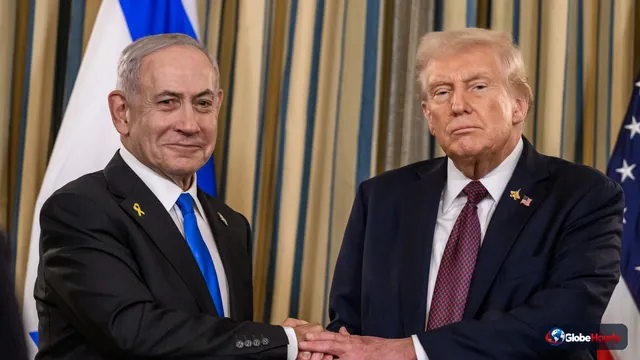
The court has been under heavy pressure from Washington. The campaign against it intensified after judges issued arrest warrants in November 2024 for Israeli Prime Minister Benjamin Netanyahu and his former defence minister Yoav Gallant over the Gaza war. Individual judges and prosecutors were sanctioned first. On October 9, 2026, the US went further and sanctioned the ICC as an institution, cutting it off from US-based financial services, technology companies and the US dollar. American companies and individuals working with the court were given six months to wind that business down. President Donald Trump has threatened to take the court apart "brick by brick".
The Sakharov decision also follows the 2026 Nobel Peace Prize, awarded earlier this month to Navi Pillay, a former ICC judge and former UN human rights chief — a choice widely read as backing for the embattled court. Last year's Sakharov Prize went to Belarusian journalist Andrzej Poczobut and Georgian journalist Mzia Amaglobeli.
Reactions
ICC President Tomoko Akane, a Japanese judge, welcomed the award. She said it comes at a time when the court and its officials face "unprecedented challenges", and that it reaffirms the importance of independent judicial institutions and of the people who uphold international law. "There is no peace without justice and no security without law," she added.
Lawmakers who backed the nomination presented it as a message that Europe stands by international justice. Critics of the court, including the US administration, accuse it of overreach and of targeting countries that are not members.
Why it matters
The prize is largely symbolic, but its timing is not. It puts the European Parliament openly on the opposite side of the United States on one of the most divisive questions in transatlantic relations, and it may increase pressure on EU governments to use the bloc's "blocking statute" to shield European banks and companies working with the court from US sanctions.
For the court itself, the sanctions threaten basic functions — paying staff, running IT systems and moving money — just as it handles some of its most sensitive cases. These include the warrant for Russian President Vladimir Putin over the deportation of Ukrainian children, the case against former Philippine President Rodrigo Duterte over his "war on drugs", warrants for Taliban leaders over the persecution of women and girls in Afghanistan, and investigations in Palestine, Sudan and Myanmar. The Bangladesh/Myanmar inquiry into crimes against the Rohingya is directly relevant to South Asia, where more than a million Rohingya refugees live in camps around Cox's Bazar.
What happens next
The prize will be presented at a ceremony in the Parliament's chamber in Strasbourg in December, expected on December 16. US companies doing business with the court face an April 2027 deadline to wind it down under the October 9 sanctions. Watch for whether EU governments move to protect the court's banking and technology links before then, and for the ICC's response to the restrictions at its Assembly of States Parties, which meets in December.
Questions people are asking
Who won the Sakharov Prize 2026?
The International Criminal Court and its officials won the European Parliament's 2026 Sakharov Prize for Freedom of Thought. Parliament President Roberta Metsola announced the decision in Strasbourg on October 22, 2026.
Why did the ICC get the Sakharov Prize?
The European Parliament said the prize recognises the court's work in upholding international law and justice. It comes as the ICC faces US sanctions over its arrest warrants, including those for Israeli Prime Minister Benjamin Netanyahu and his former defence minister.
What is the Sakharov Prize?
It is the European Union's highest human rights award, given every year since 1988 by the European Parliament and named after Soviet dissident Andrei Sakharov. It carries €50,000 and is presented at a ceremony in Strasbourg in December.