Judge rejects Trump administration bid to set aside 20,000 California ballots before midterms
US District Judge David Carter refused to make California separate about 20,000 mail ballots the Justice Department calls 'likely noncitizen' votes, saying it would wreak havoc.
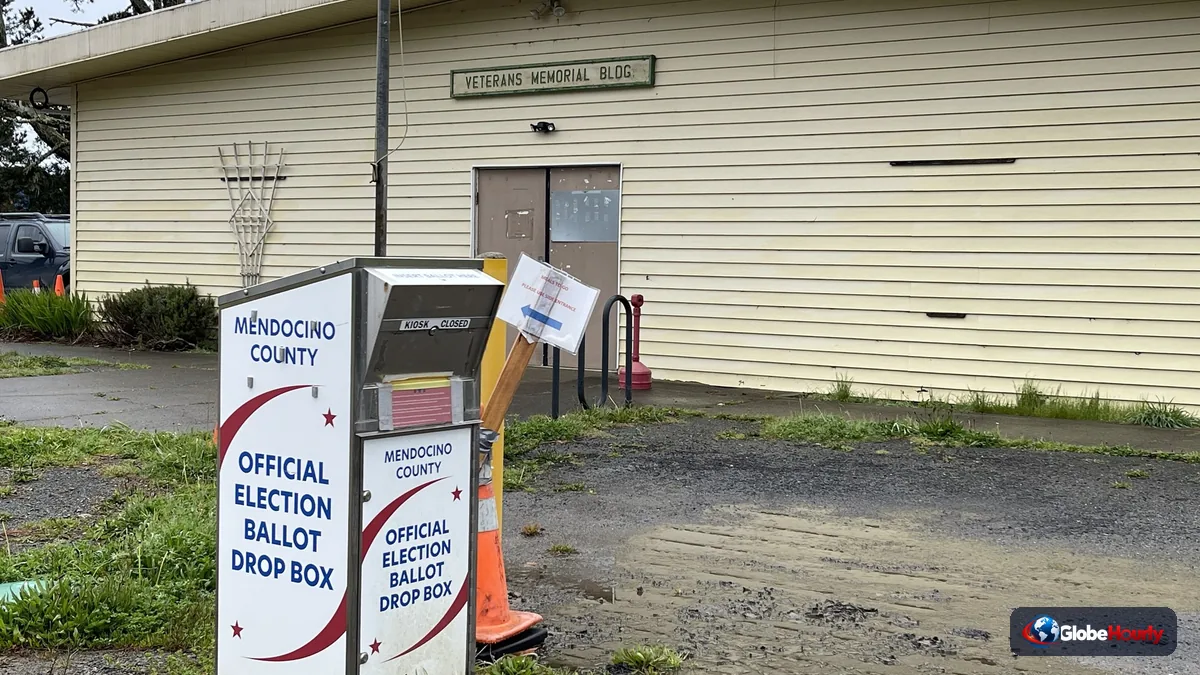
At a glance
- US District Judge David Carter on Wednesday, October 28, 2026, denied the Justice Department's request for an emergency order forcing California to set aside about 20,000 mail ballots.
- The department says the ballots were cast by people it believes are likely noncitizens; the judge said the government gave only vague explanations of how it built its list.
- Carter wrote that the request violates long-standing constitutional principles that give states control over their elections and warned it could cause chaos days before the vote.
- The case was filed on October 15 against California and Los Angeles County; the Ninth Circuit had already thrown out an early appeal as premature, by 2-1, on Monday.
- More than 3.7 million Californians had already voted ahead of the November 3 midterm elections.
A federal judge in California has refused a Trump administration request to force the state to separate about 20,000 mail ballots that the Justice Department says were cast by likely noncitizens. US District Judge David Carter denied the emergency request on Wednesday, October 28, 2026, less than a week before the November 3 midterm elections, so California and Los Angeles County can keep processing those ballots like any others.
Carter wrote that the government's demand "violates longstanding constitutional principles" that leave the running of elections to the states, and said that ordering the ballots set aside at this stage would cause chaos for voters and election workers.
What the Justice Department asked for
The department sued California and Los Angeles County on October 15. It said federal records had flagged thousands of people on state voter rolls as likely noncitizens and asked state officials to review the list within 48 hours. State officials refused, arguing the list had not been checked and that removing or isolating voters so close to an election would break federal and state law.
The government then asked for a temporary restraining order that would have made election officials put about 20,000 ballots from people on its list to one side, uncounted, while their eligibility was examined.
| Date (2026) | Step in the case |
|---|---|
| Before October 15 | Justice Department sends California a list of "likely noncitizens" with a 48-hour deadline |
| October 15 | Department sues California and Los Angeles County |
| Before the hearing | Department files an unusual early appeal to the Ninth Circuit |
| Monday, October 26 | Ninth Circuit dismisses the appeal as premature, 2-1 |
| Wednesday, October 28 | Judge Carter denies the emergency order |
| Tuesday, November 3 | Midterm election day |
Why the judge said no
Carter said prosecutors gave only vague answers about how the list was put together, and that their explanation "raised multiple questions regarding reliability." Federal databases used for such checks can include people who became US citizens after their records were created, and naturalised citizens have the full right to vote.
He also pointed to the timing. With more than 3.7 million Californians having already voted, he said an order to pull ballots out of the count now could disrupt the election whichever side eventually won the legal argument. He concluded that the balance of harm and the public interest weighed against the order.
It is not the first time Carter has ruled against the department on California voters. He earlier dismissed a separate Justice Department lawsuit that sought detailed voting records and personal data on the state's roughly 23 million registered voters, calling that demand unprecedented and illegal.
What both sides say
California officials have argued throughout the case that the federal list was unverified and that the state already checks voter eligibility through its own procedures. Noncitizen voting in US federal elections is a crime and studies have found it to be very rare.
The administration says it is trying to make sure only eligible citizens vote and has made election integrity a central theme ahead of the midterms. President Donald Trump has repeatedly said, without offering evidence, that noncitizens vote in large numbers in states such as California.
What it means for voters
For Californians, nothing changes: mail ballots postmarked by election day and received within the state's deadline will be processed and counted under the usual rules, including signature checks. People whose names are on the federal list do not have to take any extra step.
What happens next
The Justice Department can appeal Carter's refusal to the Ninth Circuit, although the main lawsuit continues in the district court either way. California counties will keep counting through November, and the Secretary of State certifies the statewide results in December. The ruling is one of several court fights over voter lists and ballots that are under way across the country before Tuesday's vote.
Questions people are asking
Why did the Justice Department want 20,000 California ballots set aside?
The department says the ballots came from people on a federal list of likely noncitizens and wanted them kept apart from other ballots while their eligibility was checked. California officials refused, and the department sued the state and Los Angeles County on October 15.
What did Judge David Carter decide?
He refused to grant a temporary restraining order, so California can count the questioned ballots like any other. He said the request went against states' constitutional control of elections and that the government had not clearly explained how reliable its list was.