Oil falls 3.3% to $109.66 on Hormuz talks as Kospi jumps 2.3% and Kioxia sinks 14% on weak profit forecast
Brent dropped to $109.66 on Monday on hopes for the Doha talks, while Asian shares split as Kioxia warned on memory prices. Apple reports after the US close.
At a glance
- Brent crude fell 3.3% to $109.66 a barrel and US crude fell 3.3% to $100.64 on Monday, as Iran and Qatari mediators held talks in Doha on reopening the Strait of Hormuz.
- Kioxia lost about 14% after guiding for ¥2 trillion of operating profit against the ¥2.35 trillion analysts expected.
- South Korea's Kospi rose 2.3% to 5,859.83 and Shanghai gained 1.2%; Japan's Nikkei slipped 0.1% and Australia's ASX 200 fell 0.6%.
- Attacks at sea continue: at least 10 shipping incidents have been reported around the Gulf since October 31.
- Apple reports after Monday's US close, the US votes on Tuesday, Australia's central bank decides the same day, and US jobs data follows on Friday.
Oil fell more than 3% in Asian trading on Monday, with Brent crude down 3.3% at $109.66 a barrel and US crude down 3.3% at $100.64, as traders bet on talks in Qatar over reopening the Strait of Hormuz. Asian shares went different ways: South Korea and China rose, while Japan's Nikkei gave up early gains after memory-chip maker Kioxia dropped about 14%.
The drop in oil followed a month in which crude rose more than 10%. Prices remain far above the levels of this summer, and the talks that drove Monday's fall have not produced a deal.
Where Asian markets stood on Monday
These were the levels in the Asian session, some of them before the close.
| Market | Move | Level |
|---|---|---|
| Brent crude | -3.3% | $109.66 a barrel |
| US crude (WTI) | -3.3% | $100.64 a barrel |
| Nikkei 225 (Japan) | -0.1% | 63,218.02 |
| Kospi (South Korea) | +2.3% | 5,859.83 |
| Shanghai Composite | +1.2% | 3,640.93 |
| Hang Seng (Hong Kong) | +0.6% | 23,437.41 |
| S&P/ASX 200 (Australia) | -0.6% | 8,851.40 |
| Taiex (Taiwan) | -0.2% | n/a |
| Sensex (India) | +1.1% | n/a |
The dollar bought 157.91 yen, up from 157.49, and Japan's finance minister Satsuki Katayama warned against disorderly currency moves.
Why a two-day plan moved the oil price
Iran's foreign minister Abbas Araghchi has said the strait could reopen within two days: the US would take its steps on day one, and shipping would resume on day two. Tehran's conditions include sanctions relief, restored oil waivers, a smaller US military presence and recognition of new shipping routes. Araghchi says no direct talks with Washington are taking place, and Washington has not publicly answered the proposal. President Donald Trump has said he is in no hurry.
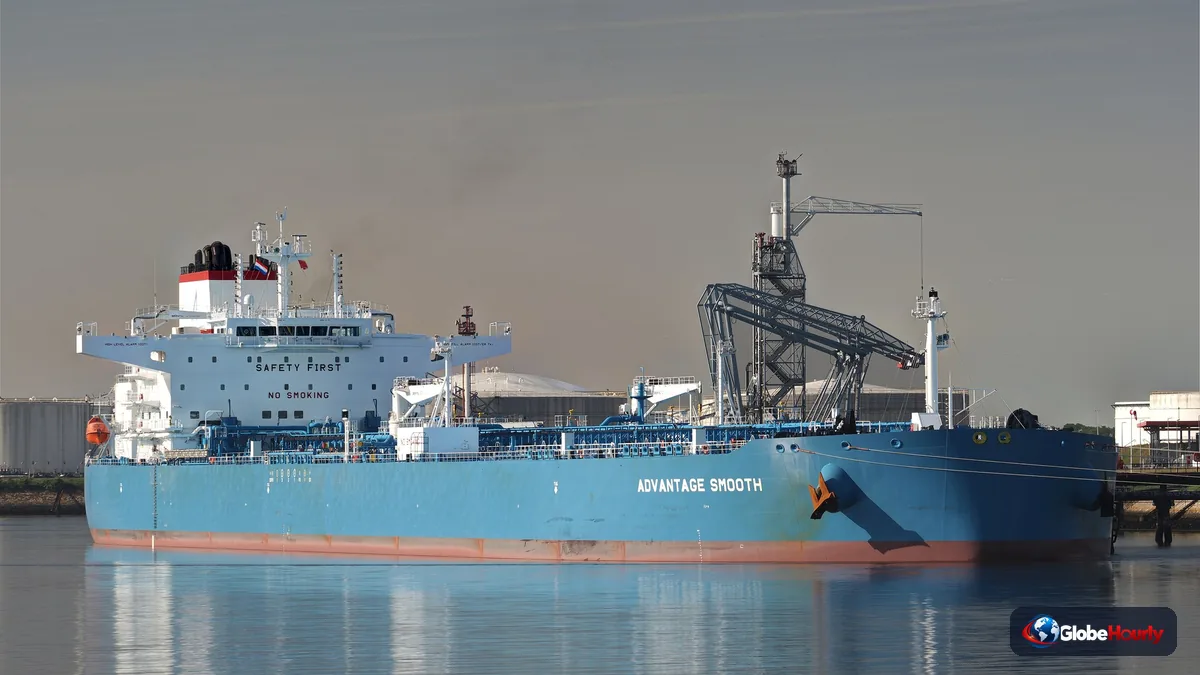
The danger at sea has not gone away. Britain's maritime monitoring agency reported a tanker hit by two projectiles 72 nautical miles east of Ras al Khafji, and at least 10 incidents have been reported around the Gulf, Hormuz and the Gulf of Oman since October 31. Goldman Sachs raised its December Brent forecast to $105 from $90.
What Kioxia's forecast says about the AI trade
Kioxia told investors that flash-memory price rises are slowing. Average selling prices for NAND grew in the mid-20% range in the quarter to September, against about 70% the quarter before, and its ¥2 trillion operating profit forecast fell short of the ¥2.35 trillion analysts wanted. SoftBank Group lost 1.8% and TSMC 1.5%.
South Korea went the other way after a rough month in which the Kospi lost more than 16%. SK Hynix rose 4.2% and Samsung Electronics 1.7%. The nervousness comes from Wall Street, where Friday was the worst day since June: the S&P 500 fell 1.8%, the Nasdaq 2.9% and the Dow 1.1%, as investors questioned the returns on AI spending after results from Alphabet and Amazon.
China's support talks lift Shanghai despite weak factories
Shanghai rose even though official data showed manufacturing back in contraction, with the October purchasing managers' index at 49.3, down from 50.1 in September. Chinese media reported that the central bank and the securities regulator were meeting banks on Monday about supporting the market, after the CSI 300's worst month in over a decade.
What cheaper oil would mean for Pakistan and India
Both countries import most of their oil, so a lasting fall would ease pressure on fuel bills and the current account. One day's move does not do that. Brent at $109 is still expensive for importers, and Pakistan's finance minister Muhammad Aurangzeb has already said attacks on Gulf energy sites are a risk to the economic outlook.
Karachi's KSE-100 ended October down 2.1%, a loss of 3,560 points, closing at 166,409 on October 30. India's Sensex was up 1.1% in Monday's session.
The week's dates that could reverse the move
Apple reports after the US close on Monday, with US stock futures pointing higher on Sunday night. On Tuesday, Americans vote in the midterm elections, and the Reserve Bank of Australia decides on rates, with 31 of 32 economists polled expecting a rise to 4.85%. McDonald's and Qualcomm report later in the week. US October payrolls are due on Friday, with forecasts of 55,000 new jobs.