US Supreme Court rejects Trump administration bid to set aside 20,000 California ballots on eve of midterms
In a one-line order with no dissents, the Supreme Court refused to make California set aside 20,000 mail ballots the government calls noncitizen votes.
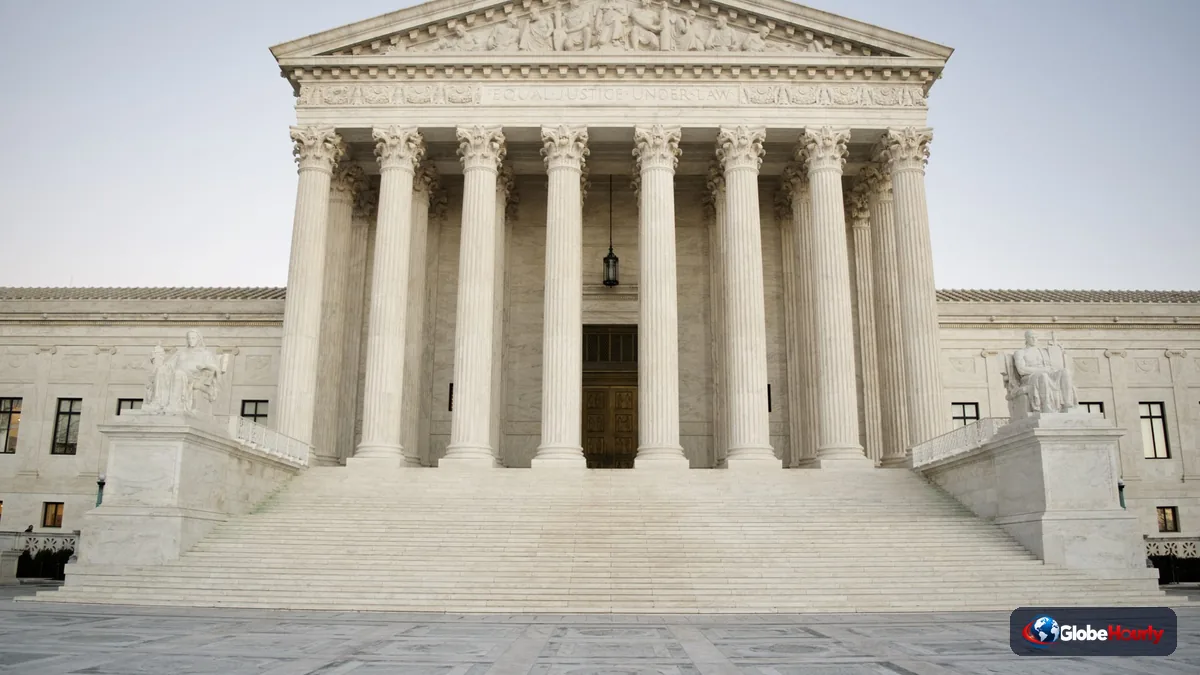
At a glance
- The US Supreme Court on Monday, November 2, turned down the Justice Department's emergency request to force California to set aside about 20,000 mail ballots.
- The unsigned order gave no reasons and no justice publicly dissented. It came hours after Solicitor General John Sauer filed the request, without the court asking California to respond.
- The government says the ballots came from likely noncitizens; California says the federal list is unverified and that it has no legal power to freeze ballots.
- It is the fourth court in a row to reject the request, after a district judge and two rulings by the Ninth Circuit Court of Appeals.
- The lawsuit itself is not over, but ballots already processed cannot be traced back, so votes counted this week stay counted.
California will count about 20,000 mail ballots that the Trump administration wanted kept aside, after the US Supreme Court refused on Monday, November 2, to step into the dispute on the eve of the midterm elections. The court's order was a single unsigned line, gave no reasons, and recorded no dissent from any of the nine justices.
The Justice Department had asked the court to make California separate the ballots, which it says were cast by people it considers likely noncitizens, until their citizenship could be checked. The justices ruled within hours of receiving the filing from Solicitor General John Sauer, and did not even ask California to file a reply.
Four courts, four refusals
The request had already failed at every level below. California Attorney General Rob Bonta said courts had now turned the administration down "four times".
| Date (2026) | Court | Outcome |
|---|---|---|
| October 15 | Justice Department sues California and Los Angeles County | Case filed |
| October 26 | Ninth Circuit Court of Appeals | Early appeal dismissed as premature, 2-1 |
| October 28 | US District Judge David Carter, Santa Ana | Emergency order to set ballots aside denied |
| October 30 | Ninth Circuit | Declined to intervene, 2-1 |
| November 2 | US Supreme Court | Emergency application denied, no noted dissents |
Judge Carter had said the request clashed with the constitutional rule that states run their own elections, and that the government's explanation of how it built its list "raised multiple questions regarding reliability".
Where the 20,000 figure came from
The dispute goes back to July 17, when Homeland Security Secretary Markwayne Mullin wrote to California Secretary of State Shirley Weber claiming that almost 191,000 noncitizens were illegally registered to vote in the state. Weber's office asked for the method behind that number. The federal government later narrowed its focus to about 20,000 people who had returned mail ballots, and sued in mid-October.
California's position has been that the list was never verified. Federal immigration records can still list as noncitizens people who later became US citizens, and naturalised citizens have the full right to vote. Weber and the Los Angeles County registrar also told the courts they have no legal power to freeze ballots once they arrive, and that finding and pulling these particular envelopes out of the count would be practically impossible.
Noncitizen voting in federal elections is a crime, and studies of past elections have found it to be very rare. State officials have pointed out that 28 people have been charged so far, a tiny share of California's roughly 23 million registered voters.
What each side said
Weber called the ruling a relief for voters. "While this fight is not over yet, on the eve of Election Day, this means millions of Californians can focus on the most important task at hand," she said. Governor Gavin Newsom described the order as a rebuke of what he called a baseless attack on the state's election process.
The administration had argued in its filing that it was asking for something modest: ballots would only be held separately, so lawful votes could still be counted later once eligibility was confirmed. President Donald Trump has repeatedly claimed, without providing evidence, that large numbers of noncitizens vote in states such as California.
A pattern on voting cases
The Supreme Court has sided with Trump in many emergency appeals since he returned to office, on issues from immigration to federal spending. On voting rules it has been more cautious. In September the justices also rejected his push to restrict mail ballots nationwide, and courts generally avoid changing election procedures in the final days before a vote.
What it means for California voters
Nothing changes for people casting ballots in California. Mail ballots postmarked by election day, Tuesday, November 3, and received within the state's seven-day window are processed under the usual rules, including signature checks. Voters whose names appear on the federal list do not need to do anything extra.
The lawsuit and the pending appeal technically stay alive in the lower courts. But because a ballot cannot be traced back to a voter once it has been separated from its envelope, the votes counted this week will remain in the total. California counties will keep counting through November, and Weber's office is due to certify statewide results in December.
Questions people are asking
What did the Supreme Court decide about California's ballots?
It refused the Trump administration's emergency request to make California put about 20,000 mail ballots to one side while their voters' citizenship was checked. California can count them like any other ballot.
Is the California ballot case over?
Not formally. The Justice Department's lawsuit and an appeal are still open in the lower courts, but California says it cannot pull out a ballot once it has been processed, so the ruling settles the question for this election in practice.