Congo's Ebola deaths pass 5,000 as unpaid health workers strike and most new cases escape tracing
DR Congo has recorded 5,026 Ebola deaths among 10,351 infections, with no approved vaccine for the Bundibugyo strain and health workers striking over pay.
At a glance
- Congo's health ministry has recorded 5,026 deaths among 10,351 infections, a fatality rate close to 50%.
- It is the second-deadliest Ebola outbreak on record, behind West Africa's 2014–2016 epidemic, which killed more than 11,000.
- The Bundibugyo strain has no approved vaccine or treatment; the virus has reached 67 health zones in eight of Congo's 26 provinces.
- Africa CDC says about 80% of new cases come from outside monitored contact chains.
- Kenya, Uganda and Nigeria have also reported cases, and workers at a treatment centre in Ituri are striking over four months of unpaid wages.
More than 5,000 people have now died in the Ebola outbreak in the Democratic Republic of Congo. The health ministry's latest figures show 5,026 deaths among 10,351 people infected since the outbreak was declared in mid-May, so nearly one in two patients has died.
Only the 2014–2016 West Africa epidemic has killed more people. This one is caused by the rare Bundibugyo strain, for which no vaccine or treatment has been approved. Doctors can only treat the symptoms.
"It is a very tragic milestone," said Dr. Patrick Otim, a programme area manager at the World Health Organization.
The outbreak in numbers
| Measure | Latest figure |
|---|---|
| People infected in Congo | 10,351 |
| Deaths | 5,026 |
| Recovered | 2,788 |
| Provinces reached | 8 of 26 |
| Health zones reached | 67 of 178 (50 with active cases) |
| Ituri and North Kivu, the epicentres | 9,782 confirmed cases, 4,792 deaths |
Roughly 2,500 people in the ministry's count are recorded as neither dead nor recovered. The two eastern provinces of Ituri and North Kivu account for almost all the cases and deaths.
Why the count keeps climbing
The most worrying figure may be one that does not appear in the table. Africa CDC says about 80% of new cases come from outside monitored contact chains, which means most newly sick people were not known to responders before they fell ill. Without that list of contacts, the virus can keep moving unseen.
WHO adds that one-third of recorded deaths happened outside treatment centres, before the person had been tested. People who die at home can infect relatives and those who prepare the body for burial.
Eastern Congo is also a war zone. Government forces are fighting armed groups, mainly the Rwanda-backed M23, while the Islamist ADF insurgency is active near the Ugandan border. A nurse was killed last week while responding to an Ebola alert in Tshopo province, and a ruling-party politician was killed in September.
Unpaid staff walk out in Ituri
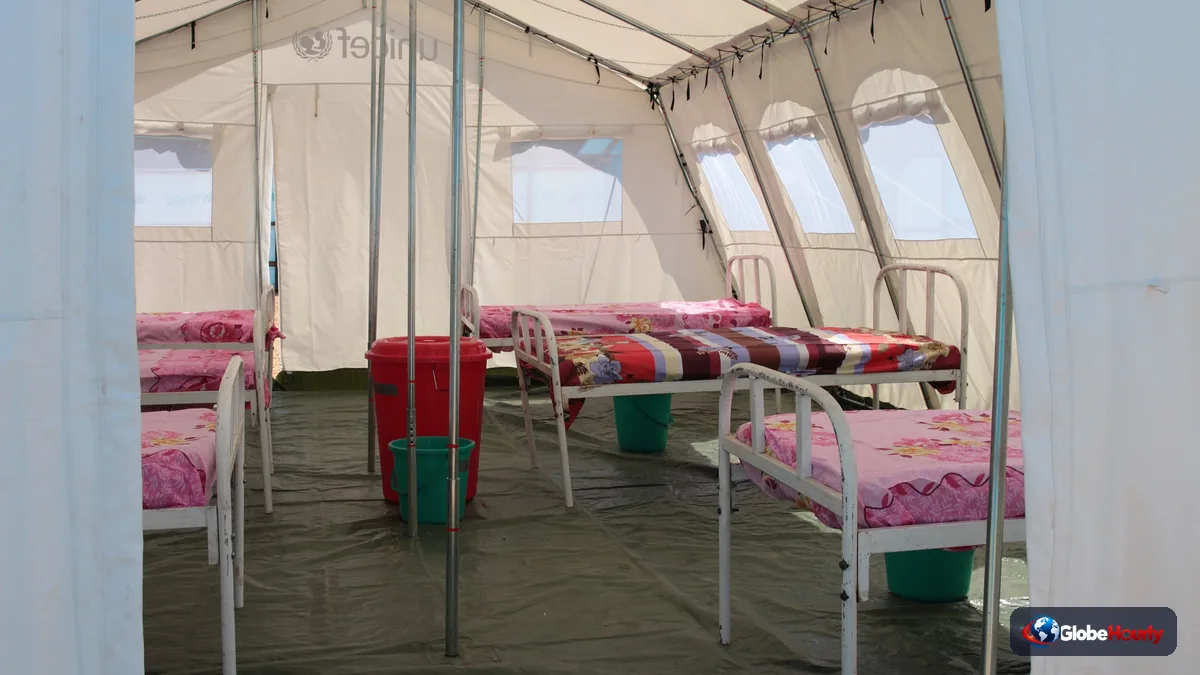
At a treatment centre in Tchomia, in Ituri, workers have gone on strike demanding four months of unpaid wages, with five confirmed patients and 10 suspected cases under care there. "We are tired of requesting our salaries," said Moise Mugenyi, one of the strikers.
Dr. Justin Mukonkole, acting head of response operations in Ituri, has asked staff to be patient. In Beni, elected official Alain Siwako said cases were spiralling because the central government was not providing enough fuel and money.
Rose Tchwenko, Congo country director for the aid group Prosper Global, said the outbreak "is stretching everyone responding to it".
How this compares with West Africa, and where it has spread
| West Africa, 2014–2016 | DR Congo and neighbours, 2026 | |
|---|---|---|
| Infected | More than 28,600 | More than 10,000 in Congo |
| Deaths | More than 11,000 | 5,026 in Congo |
| Time so far | About two years | About five and a half months |
| Countries with cases | Guinea, Liberia and Sierra Leone were the worst hit | Congo, Uganda, Kenya, Nigeria |
Reaching 5,000 deaths in under six months is what alarms officials. It is also the most geographically widespread Ebola outbreak Africa has seen, now present in three regions of the continent.
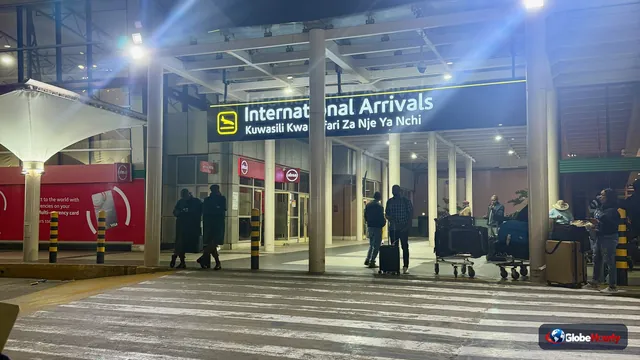
Kenya's health ministry has reported nine confirmed cases and two deaths, and said on Friday that it had gone 10 days without a new infection. Nigeria's only confirmed case was evacuated to Switzerland.
What travellers and families should know
Ebola spreads through direct contact with the body fluids of a sick person or a body, not through the air. Anyone who has been in an affected area and develops fever, severe weakness, vomiting or unexplained bleeding within 21 days should seek medical care and mention their travel.
Border rules are tightening. Saudi Arabia on Friday suspended visas for arrivals from Kenya, adding to restrictions imposed on Congo, Uganda and South Sudan in June. No South Asian country is among those that have reported a case.
Candidate vaccines are in clinical trials, but none has been approved. The next dates to watch are in Kenya, where 46 contacts are due out of quarantine on November 3 and the government aims to release all remaining contacts by November 11.
Questions people are asking
How many people have died of Ebola in Congo in 2026?
Congo's health ministry has recorded 5,026 deaths among 10,351 infections since the outbreak was declared in mid-May. About one-third of recorded deaths happened outside treatment centres, before the person was tested.
Is there a vaccine for the Bundibugyo Ebola strain?
No vaccine or treatment has been approved for Bundibugyo. Health workers treat the symptoms, and candidate vaccines are still in clinical trials.