DG ISPR says Pakistan is 'much ahead' of India and the Afghan Taliban in readiness and calls Afghanistan a regime that produces only terrorism and drugs
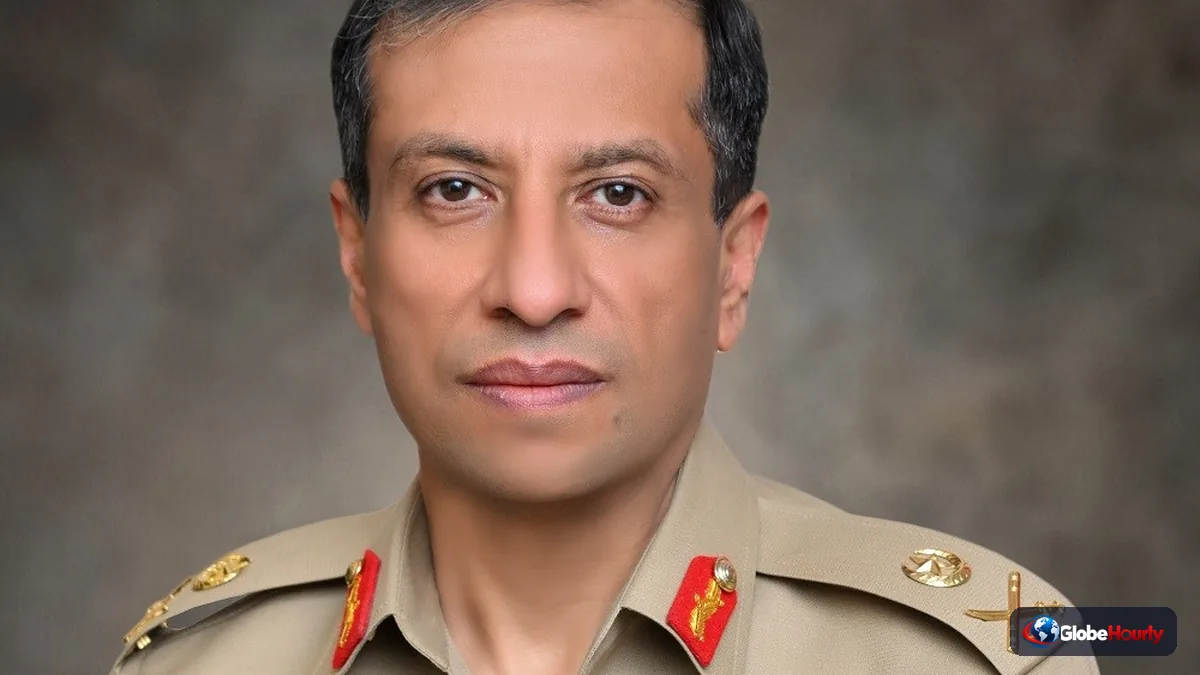
Lt Gen Ahmed Sharif Chaudhry says Pakistan leads India and the Taliban in readiness, dismisses Afghan drones and opposes isolating Afghanistan.
At a glance
- ISPR chief Lt Gen Ahmed Sharif Chaudhry said Pakistan is much ahead of the Afghan Taliban and India in operational readiness, and described the military as a technology-savvy army.
- He played down the Taliban drone threat, and said the group has only capabilities supplied by sponsors. He named India as the main one.
- He would not say if artificial intelligence was used to pick targets in Afghanistan.
- He opposed isolating Afghanistan and asked other countries to press the Taliban to act like a state.
Pakistan's military spokesman says the armed forces are "much ahead" of both India and the Afghan Taliban in operational readiness, and that the Taliban have no military capability beyond what outside sponsors give them. Lt Gen Ahmed Sharif Chaudhry, Director General of Inter-Services Public Relations, made the remarks in an interview in Rawalpindi on Friday, October 30, which state media carried on Sunday.
The comments follow two months of clashes along the Afghan border, including Pakistani airstrikes and firing in Kurram and Angoor Adda. They set out how the army sees the threat on its western frontier, and how it connects that threat to India.
"A narrow thing": the drone question
Asked if Islamabad was worried about the Taliban's use of drones, Chaudhry said that would be a narrow concern. He pointed to May 2025, when Pakistan shot down what he described as dozens of drones sent from across the eastern border during the conflict with India.
He said the military is adapting to new technology, including drone, cyber and long-range operations, in a planned and professional way. Asked directly if artificial intelligence had been used to identify targets in Afghanistan, he declined to give specifics. "We are a technology-savvy army," he said.
Who Pakistan says is behind the attacks
Chaudhry laid out the army's position in blunt terms, with India at the top of the chain.
| Group or country | How Chaudhry described it |
|---|---|
| India | "Biggest terror sponsor" and the prime contractor behind proxy groups |
| Afghan Taliban | A proxy of India; a regime and non-state actor, not a state |
| TTP and BLA | India's proxies inside Pakistan |
| ETIM, IMU, Jaish al-Adl, Al Qaeda, ISKP | Other groups he said operate from or around Afghanistan, citing UN and US assessments |
These are Pakistan's allegations. India rejects claims that it sponsors militancy in Pakistan, and the Taliban deny allowing armed groups to use Afghan territory. No response from either to these specific remarks had been reported by Sunday night.
He also accused the Taliban of sheltering militant commanders including Noor Wali Mehsud, Bashir Zeb and Gul Bahadur, and warned they would pay a serious price if Pakistan's demands went unmet.
"Two products": engage Kabul, but press it
The sharpest line was reserved for Afghanistan's economy. The country, he said, now produces only terrorism and drugs. Yet he said he does not back isolating it. He called for engagement, with the international community pressing the Taliban to "act like a state". He dismissed Taliban claims that Pakistan is coordinating with anti-Taliban groups as playing the victim card.
The information ministry took a similar line earlier, saying the Taliban's refusal to address terrorism is the main barrier to normal ties.
Why this matters for Pakistanis
Security in Khyber Pakhtunkhwa and Balochistan, trade through the Torkham and Chaman crossings, and the fate of Afghan refugees all depend on whether Islamabad and Kabul can talk. Talks in 2025 brokered by Qatar and Turkiye, and a 2026 effort involving China, produced no breakthrough. Russia has offered to mediate, but Foreign Office spokesperson Sajjad Haider Khan said he was not aware of any separate formal Russian initiative.
The Islamabad-based monitor PICSS reported on Sunday that militant attacks fell 37 percent in October, which officials will welcome, though a single month does not make a trend.
What to watch this week
US Secretary of State Marco Rubio said on Saturday that Washington has heard Pakistan's concerns and could play a productive role if there is one. The first US charter flight deporting Afghans to Pakistan may also leave on Monday, adding another issue to an already crowded border agenda.
Questions people are asking
What did DG ISPR say about Afghan drones?
Lt Gen Ahmed Sharif Chaudhry said drones from Afghanistan were not a major worry, and recalled that Pakistan shot down dozens of drones sent across its eastern border in the May 2025 conflict with India.
Does Pakistan want Afghanistan isolated?
No. Chaudhry said he opposes isolating Afghanistan and wants engagement, with the international community pressing the Taliban to behave as a state and act on terrorism and drug production.