European gas prices hit four-year high at €97 as storage lags
Europe's benchmark gas price jumped 3.6% to about €97 per megawatt-hour on Monday, its highest since 2022, as storage sits far below normal and Qatari LNG shipments have slowed to a trickle during the Middle East war.
At a glance
- The Dutch TTF front-month gas contract, Europe's benchmark, rose 3.6% to €97.19 per megawatt-hour on Monday, October 26, 2026 — its highest level since 2022.
- Prices had already gained almost 7% last week; UK gas futures climbed to about 239 pence per therm.
- EU gas storage was only 74.6% full on October 25, against a five-year average of about 86% for the time of year.
- Shipments of LNG from Qatar, the world's second-biggest exporter before the Iran war, have slowed to a trickle over the past seven months.
- Colder weather and reports of possible new US and Israeli strikes on Iran added to fears of a winter shortage.
Wholesale gas prices in Europe climbed to their highest level in four years on Monday, October 26, 2026, as storage levels lag far behind normal ahead of winter and liquefied natural gas (LNG) supplies from Qatar remain badly disrupted by the Middle East war. The Dutch TTF front-month contract, the region's benchmark, rose 3.6% to €97.19 per megawatt-hour, the highest since 2022.
The numbers
The jump followed a gain of almost 7% last week. British prices moved in the same direction, with UK NBP futures rising to about 239 pence per therm. Prices moved around during the session, but traded close to €97 for much of the day.
| Indicator | Latest figure |
|---|---|
| Dutch TTF front-month | €97.19/MWh, up 3.6% (highest since 2022) |
| Weekly move (previous week) | Up almost 7% |
| UK NBP futures | About 239.3 pence per therm |
| EU storage fill, October 25 | 74.62% |
| Five-year average for the date | About 86% |
| Brent crude, Friday | About $117 a barrel at its peak |
Why prices are rising
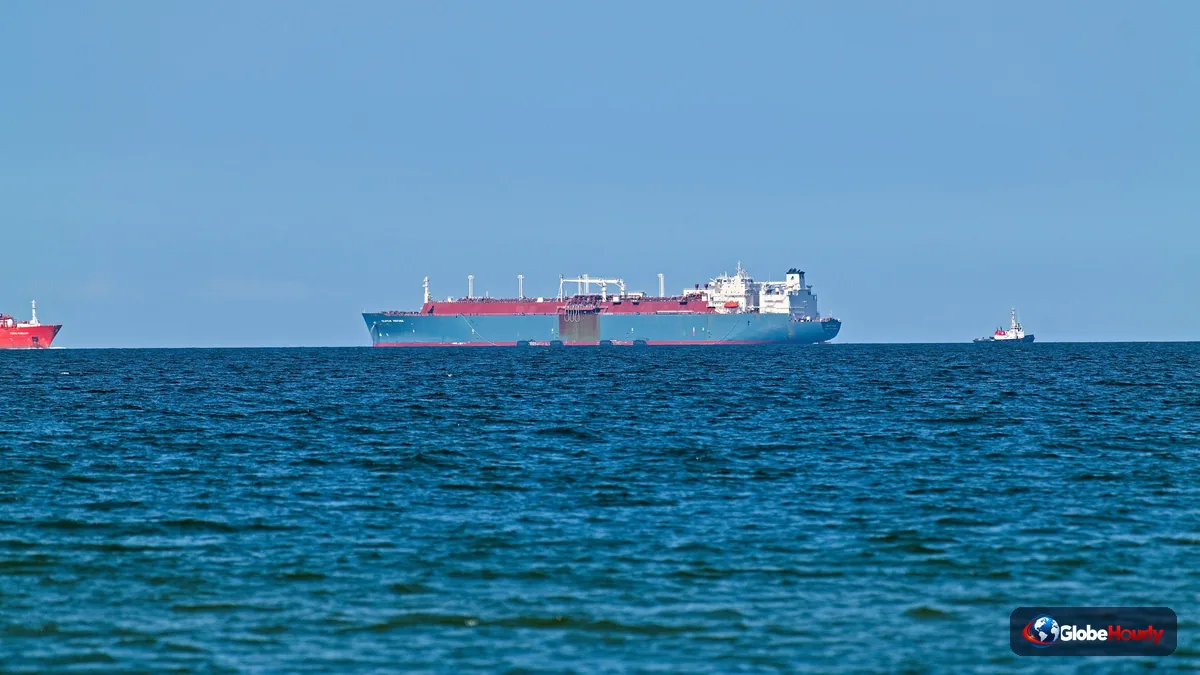
The main problem is supply. Qatar was the world's second-largest LNG exporter before the war between Iran and the United States, but its cargoes have slowed to a trickle over the past seven months, as shipping through the Strait of Hormuz remains largely blocked. European buyers, who turned to LNG after cutting Russian pipeline imports in 2022, now have to compete harder for cargoes from the US and elsewhere.
Storage is the second worry. According to Gas Infrastructure Europe, EU storage sites were 74.62% full on October 25. In a normal year they would be around 86% full by late October, and the bloc usually aims for close to 90% by the start of November. Several EU countries have already begun drawing gas out of storage as temperatures fell, earlier than usual.
Geopolitics is adding to the pressure. Reports that the US and Israel could carry out new strikes on Iran helped push oil to about $117 a barrel on Friday, and traders fear any escalation could cut supplies further.
Background
Europe's gas crisis of 2022, after Russia cut supplies following its invasion of Ukraine, sent TTF prices above €300 per megawatt-hour at their peak. Prices then fell sharply as Europe built new LNG terminals, reduced demand and filled storage. They stayed relatively calm until this year, when the US-Israeli strikes on Iran in February and the closure of Hormuz disrupted about a fifth of the world's LNG trade.
Reactions
UK energy regulators have warned that Britain faces some of the highest energy costs in Europe this winter, partly because it depends on imports to keep supply flowing. Britain's grid operator said last week that the lights would stay on this winter, despite concerns. Analysts say a cold snap could push prices higher still, while a mild winter or a diplomatic breakthrough on Hormuz could bring quick relief.
Why it matters
Higher wholesale gas prices feed into household heating bills, electricity prices and the costs of industries such as fertiliser, chemicals and steel, adding to inflation just as Europe's economy is slowing. Governments may come under pressure to bring back energy support schemes.
The effects reach far beyond Europe. Pakistan, India and Bangladesh buy LNG on the same global market, and Pakistan in particular relies on long-term Qatari contracts. When Europe bids up spot cargoes, South Asian buyers are often priced out, raising the risk of gas load-shedding and higher power tariffs. Pakistan's central bank cited high global energy prices on Monday when it raised its policy rate to 12%.
What happens next
Traders will watch weekly storage data, weather forecasts for November and any news on US-Iran talks and shipping through Hormuz. The EU's storage rules and possible joint gas purchases are likely to be discussed by energy ministers in the coming weeks.
Questions people are asking
Why are European gas prices so high in October 2026?
Prices are at a four-year high because EU storage is only about 75% full, far below normal, LNG cargoes from Qatar have slowed sharply during the Middle East war, and colder weather has forced some countries to start using stored gas early.
What is the TTF gas price?
TTF is the Dutch Title Transfer Facility, the main benchmark for wholesale gas in Europe. The front-month contract reached about €97 per megawatt-hour on October 26, 2026, its highest since 2022.
Will higher gas prices affect Pakistan?
Yes. Pakistan buys LNG on the same global market and relies heavily on Qatar, so tight supply and high prices make imported gas more expensive and harder to secure for winter, which can raise power and gas costs at home.