Fed holds rates at 3.75%–4% in 10–2 vote; Cook and Hammack wanted a hike
The US Federal Reserve kept its benchmark rate at 3.75%–4% on October 28, a month after its first hike in three years, but two officials voted to raise again as energy-driven inflation runs at 3.7%.
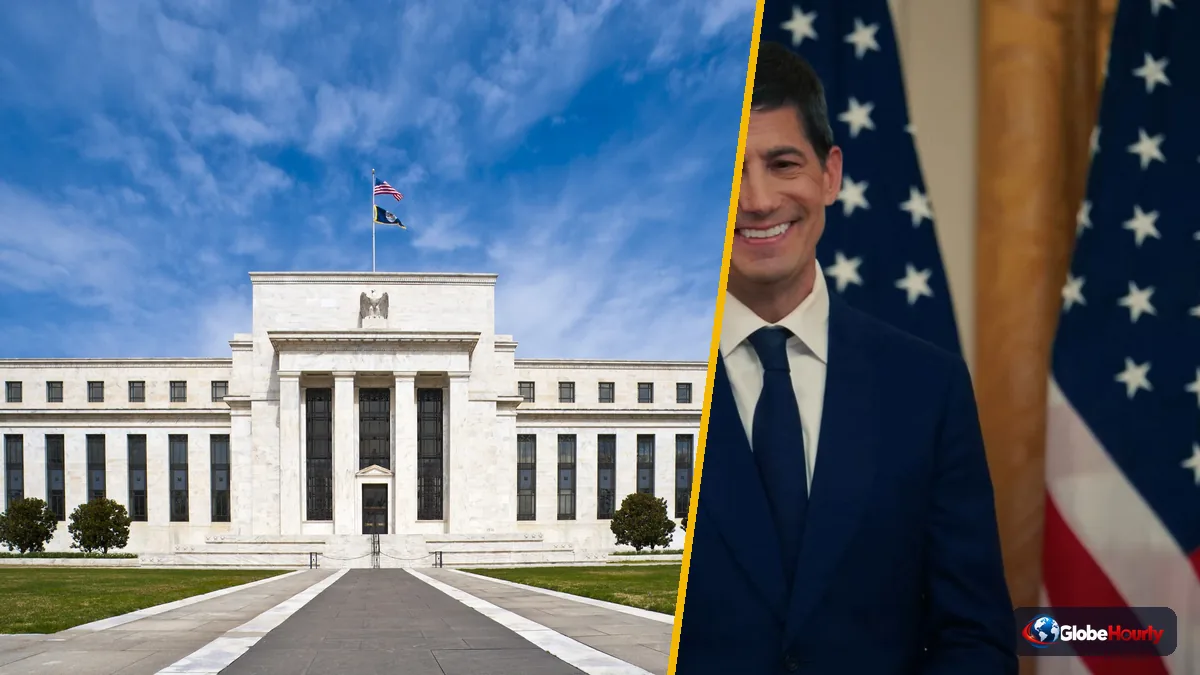
At a glance
- The Federal Reserve left the federal funds target range at 3.75%–4% on Wednesday, October 28, 2026, after raising it by a quarter point in September.
- The vote was 10–2: Governor Lisa Cook and Cleveland Fed President Beth Hammack dissented in favour of another quarter-point increase. The September decision had been unanimous.
- The statement upgraded the economy to expanding at a "strong" pace, from "solid", and said inflation remains elevated; it dropped wording that suggested further action was already decided.
- US consumer prices rose 3.7% in the year to September, pushed up by energy costs, while core inflation was 2.6%.
- Markets still see a high chance of a hike at the next meeting on December 8–9; the decision came six days before the US midterm elections.
The US Federal Reserve held its benchmark interest rate steady at 3.75%–4% on Wednesday, October 28, 2026, pausing one month after its first rate rise in more than three years. The decision, announced in Washington at 2 pm Eastern time (11 pm in Pakistan), was not unanimous: Governor Lisa Cook and Cleveland Fed President Beth Hammack voted for another quarter-point increase, arguing that inflation driven by high energy prices needs a firmer response.
What the Fed decided
The Federal Open Market Committee (FOMC), led by Chair Kevin Warsh at his fourth meeting in charge, voted 10–2 to keep the federal funds target range unchanged. The hold was widely expected by economists and financial markets.
| Fed decision — October 28, 2026 | Detail |
|---|---|
| Federal funds target range | 3.75%–4% (unchanged) |
| Vote | 10–2 |
| Dissents | Lisa Cook (governor), Beth Hammack (Cleveland Fed) — both wanted +0.25 point |
| Previous move | +0.25 point in September 2026 (vote 12–0) |
| Headline CPI inflation (September) | 3.7% a year; 0.6% on the month |
| Core CPI inflation (September) | 2.6% a year |
| Next meeting | December 8–9, 2026 (with new projections) |
In its statement, the committee said economic activity is "expanding at a strong pace" — an upgrade from "solid" in September — despite geopolitical uncertainty, and pointed to strong productivity growth and business investment. It said job gains have roughly kept pace with growth in the labour force and that unemployment has barely changed. Inflation "remains elevated", the Fed said, repeating its commitment to bring it back to its 2% goal.
The wording also changed in an important way. In September the statement said the rate rise would support a return to 2% inflation. This time the committee said it will judge the right stance as more information comes in — leaving the door open to another hike without promising one. Warsh was due to explain the decision at a news conference starting at 2:30 pm Eastern time.
Background: from cuts to hikes
For most of 2024 and 2025 the Fed was cutting rates as inflation cooled, and its range stood at 3.5%–3.75% from December 2025. The picture changed in 2026: the war involving Iran and attacks on Gulf energy facilities pushed oil prices sharply higher, with Brent crude well above $100 a barrel in recent weeks. Petrol, diesel and transport costs fed through to consumer prices, and headline inflation climbed to 3.7% in September.
In September the Fed raised rates by a quarter point, its first increase since July 2023, in a unanimous vote. Core inflation, which strips out food and energy, is much lower at 2.6%, which is why most officials preferred to wait this month and watch whether high fuel costs spread into other prices. The Fed's preferred gauge, the personal consumption expenditures (PCE) price index, is due on Thursday, October 29.
The meeting was also politically sensitive: it came six days before the US midterm elections on November 3, and Fed officials traditionally avoid surprise moves close to a vote.
Reactions
Before the announcement, futures markets priced in about an 84% chance of a hike in December, and economists said the Fed was likely to deliver a "hawkish pause" — holding now while signalling that more increases could follow. US stocks were slightly higher ahead of the decision, and the 10-year Treasury yield was around 5.0%, close to its highest levels in years.
Cook and Hammack's dissent shows a growing camp inside the Fed that wants to act faster. Supporters of the hold argue that core inflation is close to target and that the energy shock may fade if Middle East tensions ease.
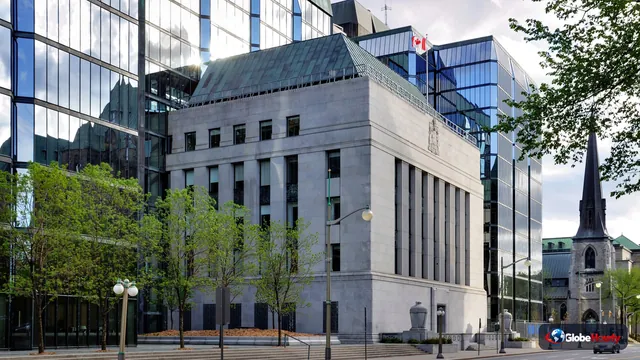
On the same day, the Bank of Canada raised its own policy rate by a quarter point to 2.5%, citing the same risk that energy costs push up broader inflation.
Why it matters
Fed rates set the cost of borrowing for American households and businesses — mortgages, car loans, credit cards — and move markets around the world. Higher US rates usually strengthen the dollar and pull investment money away from emerging markets.
For Pakistan and South Asia, a strong dollar and high US yields make foreign borrowing more expensive, put pressure on the rupee and raise the cost of imported oil, which is priced in dollars. Central banks such as the State Bank of Pakistan and the Reserve Bank of India watch the Fed closely when setting their own rates. Remittance flows from the US are less directly affected, but exchange rates move with Fed expectations.
What happens next
- October 28, 2:30 pm ET: Warsh's news conference, where markets will look for hints about December.
- October 29: September PCE inflation data.
- November 3: US midterm elections.
- December 8–9: next FOMC meeting, with updated economic projections and "dot plot". Most economists expect another quarter-point hike unless inflation eases.
Questions people are asking
Did the Fed raise interest rates in October 2026?
No. On October 28, 2026 the Federal Reserve held its benchmark rate at 3.75%–4% in a 10–2 vote. Two officials, Lisa Cook and Beth Hammack, wanted a quarter-point increase.
What is the US federal funds rate now?
The federal funds target range is 3.75% to 4%. It was raised from 3.5%–3.75% in September 2026, the Fed's first increase since July 2023.
When is the next Fed meeting?
The next Federal Open Market Committee meeting is on December 8–9, 2026, and will include new economic projections. Markets expect a possible rate hike there.