Netherlands pulls out of Eurovision 2027 in Burgas over Israel row
Dutch public broadcaster NPO has reversed its plan to return to the Eurovision Song Contest, saying Israel's participation divides society, so the Netherlands will miss a second contest in a row.
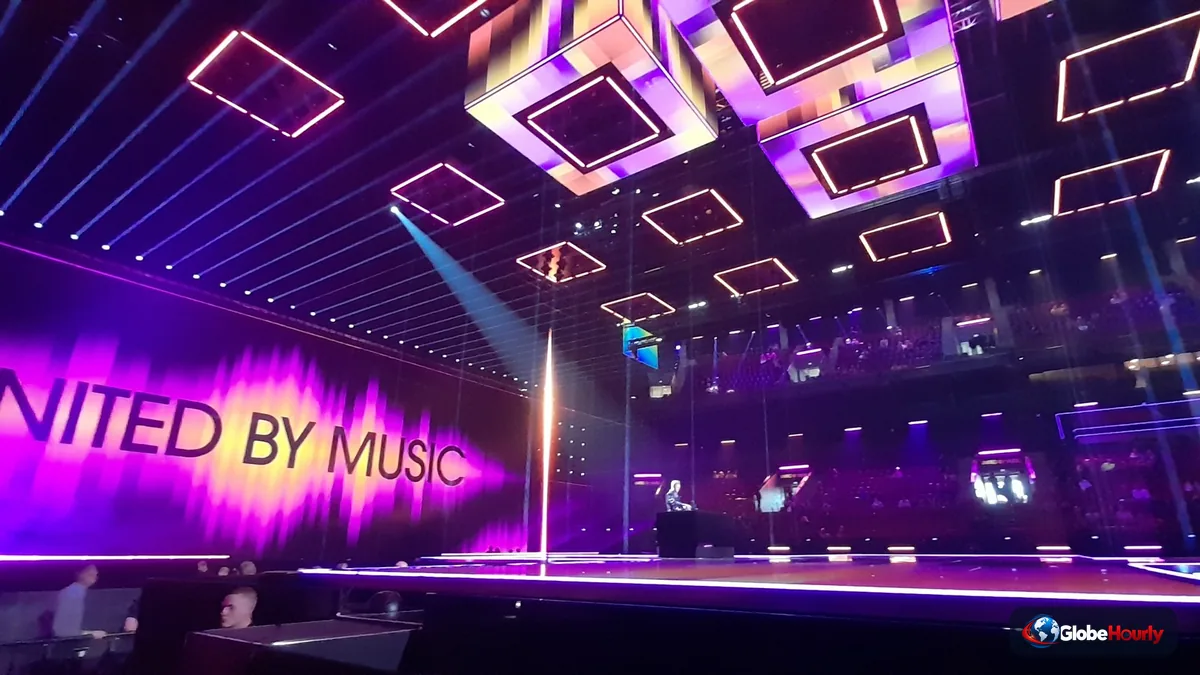
At a glance
- Dutch public broadcaster NPO said on October 27, 2026, that the Netherlands will not take part in the 2027 Eurovision Song Contest.
- NPO said Israel's participation causes discussion and division in Dutch society and that it is 'too early' to return; about 400 NPO staff had urged a withdrawal.
- It reverses NPO's September plan to return after AVROTROS, the long-time Dutch Eurovision broadcaster, boycotted the 2026 contest over Israel and handed back the rights.
- Eurovision 2027 takes place at Arena Burgas, Bulgaria, with semi-finals on May 11 and 13 and the final on May 15; Dutch viewers can still watch it on NOS.
- Ireland has already said it will not take part, Spain's broadcaster chief backs a boycott, and the Czech broadcaster has withdrawn citing budget cuts.
The Netherlands will not take part in the 2027 Eurovision Song Contest in Burgas, Bulgaria, after the Dutch public broadcaster NPO reversed its plan to return, citing the "sensitivities" around Israel's participation. The decision, announced on Tuesday, October 27, 2026, means one of Eurovision's founding countries will miss the contest for a second year in a row.
What NPO decided
NPO media director Jurre Bosman said Israel's participation provokes various reactions in society and "causes discussion and division". NPO executive chairman Jet de Ranitz said the broadcaster had to conclude that it was "currently too early" to compete in 2027, and that it would take a step back for the time being.
The contest will still be shown in the Netherlands: the public news broadcaster NOS will carry the shows with Dutch-language commentary and a pre-show, so Dutch viewers can watch and vote as in other non-competing years.
According to people familiar with the decision, two pressures were decisive. The broadcaster's ombudsman received dozens of complaints about the plan to return, and about 400 NPO employees signed a letter urging withdrawal, arguing that the wish to take part in an entertainment show had been given more weight than the lives lost in Gaza. Dutch broadcasting organisations were also reported to have told NPO that none of their staff would work on the entry.
| Eurovision 2027 | Details |
|---|---|
| Host city | Burgas, Bulgaria |
| Venue | Arena Burgas |
| Semi-final 1 | Tuesday, May 11, 2027 |
| Semi-final 2 | Thursday, May 13, 2027 |
| Grand Final | Saturday, May 15, 2027 |
| Dutch broadcast | NOS (watching only, no Dutch entry) |
Background
For years the Dutch entry was chosen and produced by AVROTROS, one of the member broadcasters inside the NPO system. AVROTROS boycotted the 2026 contest, saying Eurovision could no longer be considered neutral while a participating country was involved in a large-scale military conflict, and returned the Eurovision rights to NPO. It later said changes to the rules by the European Broadcasting Union (EBU), which organises the contest, did not go far enough to prove the event would stay independent and neutral.
At the end of September 2026, NPO announced that the Netherlands would come back in 2027, with the entry run by an external team of experts and staff from individual broadcasters able to help. That plan has now been dropped barely a month later.
The Netherlands has won Eurovision five times, most recently in 2019, and is one of the seven countries that took part in the first contest in 1956.
Reactions
Eurovision director Martin Green had earlier said organisers regretted AVROTROS's decision and would keep working with NPO on the possibility of another broadcaster taking its place. The EBU has kept Israel in the contest, arguing that Eurovision is a competition between broadcasters, not governments.
The Dutch decision adds to a wave of protests over Israel's participation since the war in Gaza began after the Hamas attacks of October 2023. Ireland has already said it will not take part, and the head of Spain's public broadcaster has spoken in favour of a boycott. Earlier this month the Czech public broadcaster also withdrew, though it cited spending cuts rather than Israel.
Why it matters
Each withdrawal by a large, long-standing member weakens the contest's claim to be a non-political celebration of music, and costs the EBU and host broadcaster money from participation fees and audiences. For Bulgaria, which is hosting for the first time, a shrinking field would take some shine off a showcase event for Burgas and the Black Sea coast.
For fans, it also means fewer songs and a smaller field. The pressure now shifts to other broadcasters, such as Spain's, to decide whether to follow.
What happens next
The EBU normally confirms the official list of participating countries for the following year's contest in the winter. Further decisions from broadcasters that have threatened to stay away are expected before then, and the rules on which countries may host or take part will remain under debate ahead of the Burgas contest in May 2027.
Questions people are asking
Why is the Netherlands not taking part in Eurovision 2027?
The Dutch public broadcaster NPO said Israel's participation provokes strong reactions and division in Dutch society, so it is too early to return. It also faced complaints from viewers and a letter from about 400 of its own staff urging it to stay out.
Where and when is Eurovision 2027?
The 2027 Eurovision Song Contest will be held at Arena Burgas in Burgas, Bulgaria. The semi-finals are on May 11 and 13, 2027, and the Grand Final is on May 15.
Which countries are boycotting Eurovision 2027?
The Netherlands and Ireland have said they will not take part over Israel's participation, and the head of Spain's public broadcaster has backed a boycott. The Czech public broadcaster has also withdrawn, but it cited spending cuts.