UK and EU agree draft deal to scrap post-Brexit checks on food and farm exports, with UK following EU rules
A 200-page UK-EU draft would end health certificates and routine border checks on food trade from mid-2027, if Britain follows EU food rules.
At a glance
- British and EU negotiators have agreed a draft sanitary and phytosanitary (SPS) agreement, a 200-page text that would remove most post-Brexit checks and paperwork on food, plant and animal trade.
- In return the UK would follow EU food, plant and animal-health rules as they change, a system known as dynamic alignment.
- EU member states are due to discuss the text in Brussels on Wednesday, November 4; it is expected to be signed off at a UK-EU summit on November 20 and take effect in mid-2027.
- The government says the deal is worth about £5.1 billion a year to the UK economy in the long run; the Conservatives call dynamic alignment a step backwards and the DUP says it lacks ambition.
Britain and the European Union have agreed the draft text of a deal that would remove most of the checks and paperwork that have slowed food and farm trade across the Channel since Brexit. Under the 200-page sanitary and phytosanitary (SPS) agreement, British exporters of meat, dairy, fish, fruit, vegetables and plants would no longer need export health certificates or face routine border inspections when selling into the EU.
The price is that the UK would follow EU rules on food safety, plant health and animal welfare, and keep following them as Brussels updates them. The text has been sent to the 27 EU governments, whose officials discuss it in Brussels on Wednesday, November 4. Both sides want it signed off at a UK-EU summit on November 20, with the new system starting in mid-2027.
Which costs disappear for exporters
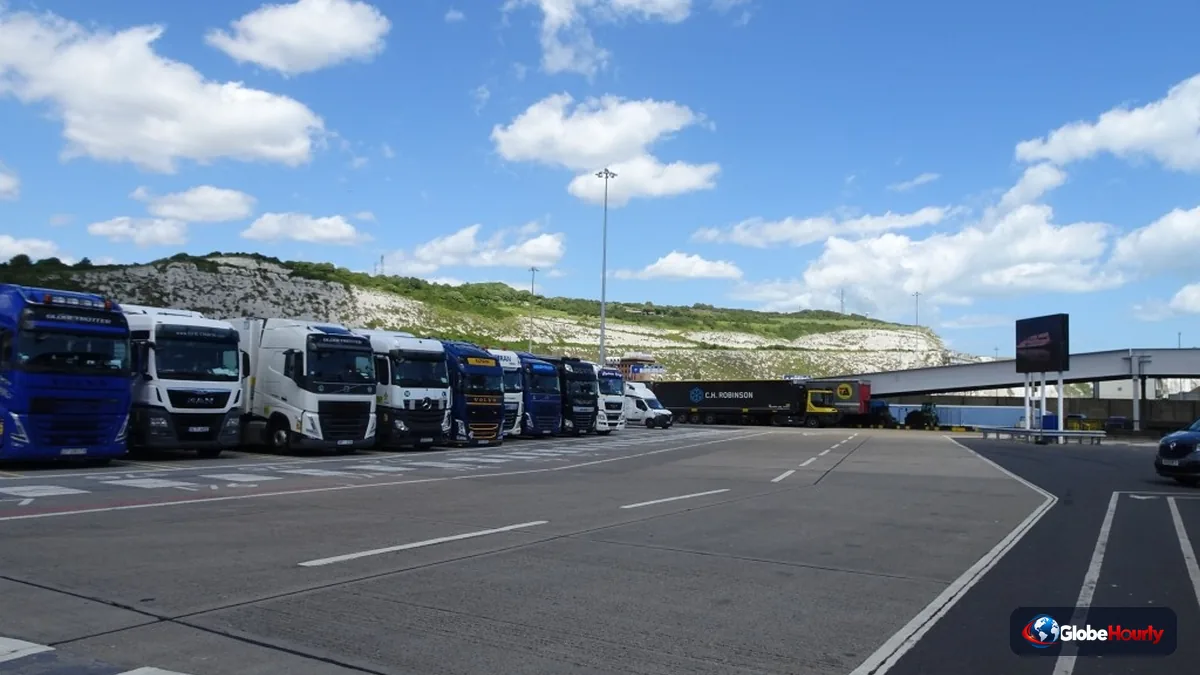
Since January 2021, a lorry of British cheese or shellfish heading to France has needed a vet-signed certificate for each consignment, and loads can be pulled aside for inspection at EU border posts. Small producers have been hit hardest, because the cost of a certificate is the same whether a lorry carries one pallet or twenty.
According to the draft and the government's guidance to businesses, the agreement would remove:
| Cost or check | Now | Under the draft deal |
|---|---|---|
| Export health certificates (animal products) | Required per consignment | Removed |
| Phytosanitary certificates (plants, seeds) | Required | Removed |
| Routine identity and physical checks at the border | Yes, at border control posts | Stopped for UK-EU trade |
| Vet and inspector fees, sampling fees | Charged | Removed |
| Organic certificates of inspection | Required | Removed |
| Some port charges linked to checks | Charged | Removed |
| Checks on food from the rest of the world | Yes | Continue as now |
The deal covers trade in both directions, so EU food arriving in Britain would also move with less paperwork. Goods from outside the EU, such as meat from Brazil or rice from Pakistan, would still face UK checks at border control posts.
What Britain gives in return
The core trade-off is "dynamic alignment". Britain would apply EU rules on plants, animals, food and feed safety, labelling, organics, pesticides and biocides, and would adopt new EU rules in these areas as they are made. The UK would get a say as rules are drafted but not a vote, and disputes would ultimately involve the EU's court on questions of EU law.
The government first announced the outline of an SPS deal at the May 2025 UK-EU summit. That outline included limited, temporary exceptions for Britain, and said the agreement would have no end date. The text now circulating is the detailed legal version of that political commitment.
Who supports it and who does not
Supermarkets and farming groups have backed the plan, saying it would cut costs and delays for exporters and help keep shelves stocked. The British Chambers of Commerce has said the current trading relationship is "failing to deliver" for business.
Opposition has come mainly from pro-Brexit politicians. Conservative leader Kemi Badenoch has said dynamic alignment would take Britain backwards and is a red line for her party, arguing it hands rule-making back to Brussels.
In Northern Ireland, where the effect could be largest, reaction was mixed. DUP leader Gavin Robinson said the deal showed a "lack of ambition" from the government. Ulster Unionist MLA Steve Aiken said it should be cautiously welcomed but described it as tinkering at the margins. Goods moving from Great Britain to Northern Ireland already fall under EU food rules through the Windsor Framework; the government has said the benefits of the SPS agreement will also apply to that route, which would greatly reduce checks on the so-called Irish Sea border.
What it means for shoppers and businesses
For consumers, the change is gradual rather than immediate: nothing changes before mid-2027. Over time, lower paperwork costs for importers and exporters should ease some pressure on food prices, particularly for fresh goods that spoil during delays. The government estimates the long-term benefit to the UK economy at about £5.1 billion a year; that is its own projection, not an independent figure.
For exporters outside Europe, including Pakistani and Indian food exporters selling to Britain, the deal does not lower UK checks on their goods. It could, however, make it easier for UK-based processors to re-export products made with imported ingredients to the EU, as long as those products meet EU standards.
The road to November 20
The draft is not final. EU ambassadors and member-state officials begin examining it on Wednesday, and any of them can ask for changes before it goes to leaders. The draft package also refers to UK participation in EU defence cooperation schemes, access to law-enforcement databases and a youth experience scheme, though the number of young people allowed to move under that scheme has not been settled.
If those talks go smoothly, leaders will approve the package at the UK-EU summit in Brussels on November 20. The agreement would then need legal ratification on both sides, with a target start date in mid-2027.